Avocado VS Frozen Yogurt
A detailed nutritional comparison
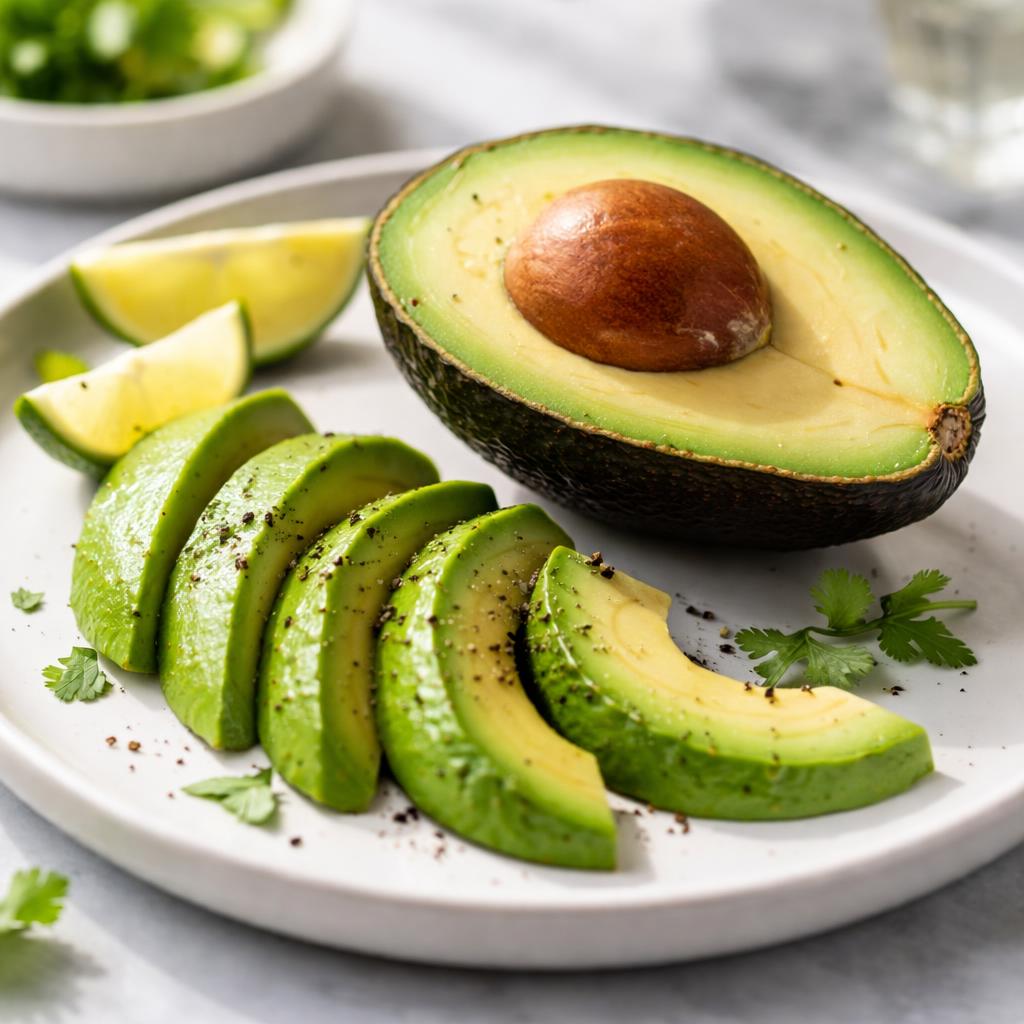
Avocado

Frozen Yogurt
🎯 Quick Verdict
Avocado (Food1) and frozen yogurt (Food2) differ greatly in their nutritional profiles. Avocado is rich in healthy fats, fiber, and vitamins, making it ideal for heart health and digestion, while frozen yogurt offers more protein but is higher in sugar and calories, suited for a treat or quick energy boost. Both have specific uses depending on dietary goals.

Smart Nutrition Tracking with SnapCalorie

📊 Nutritional Comparison
Macronutrients
| Nutrient | Food 1 | Food 2 | Winner |
|---|---|---|---|
| Calories | 160 | 110 | ✓ |
| Protein | 2g | 5g | ✓ |
| Carbs | 9g | 22g | ✓ |
| Fat | 15g | 2g | ✓ |
| Fiber | 7g | 0g | ✓ |
Vitamins & Minerals
| Nutrient | Food 1 | Food 2 | Winner |
|---|---|---|---|
| Vitamin C | 10mg | 0mg | ✓ |
| Vitamin D | 0mcg | 2mcg | ✓ |
| Potassium | 485mg | 150mg | ✓ |
| Calcium | 15mg | 150mg | ✓ |
| Magnesium | 28mg | 5mg | ✓ |
🏆 Category Winners
Protein
Frozen yogurt has over double the protein compared to avocado.
Fiber
Avocado has significant fiber content with 7g per serving.
Calories
Frozen yogurt has fewer calories by about 30%.
Vitamins
Avocado is richer in vitamins like Vitamin C and potassium.
🥗 Diet Compatibility
Keto
Food 1: Compatible
Food 2: Not Compatible
Avocado is low-carb and high in healthy fats.
Vegan
Food 1: Compatible
Food 2: Not Compatible
Frozen yogurt typically contains dairy.
Gluten Free
Food 1: Compatible
Food 2: Compatible
Neither food contains gluten.
Paleo
Food 1: Compatible
Food 2: Not Compatible
Avocado fits into paleo diets, while frozen yogurt is processed.
Low Carb
Food 1: Compatible
Food 2: Not Compatible
Avocado has only 9g of carbs compared to frozen yogurt's 22g.
💪 Health Benefits Comparison
Food 1 Benefits
- Rich in monounsaturated fats for heart health
- High in fiber for better digestion
- Potassium content helps regulate blood pressure
- Contains antioxidants that reduce inflammation
Food 2 Benefits
- Good source of protein for muscle maintenance
- Calcium benefits bone health
- Low fat option for those trying to reduce fat intake
- Quick energy boost from its carbohydrates
✅ The Bottom Line
Avocado stands out as a nutrient-dense food perfect for heart health, digestion, and low-carb diets, while frozen yogurt is a good choice for those seeking a protein-rich, calcium-packed treat with fewer fats. Choose avocado for balanced meals and weight management. Opt for frozen yogurt as a dessert or workout recovery option.
Choose Food 1 for: Heart health, digestion, weight management, keto and low-carb diets
Choose Food 2 for: Post-workout snack, calcium intake, quick energy, treat/dessert


