Avocado VS Cocktail
A detailed nutritional comparison
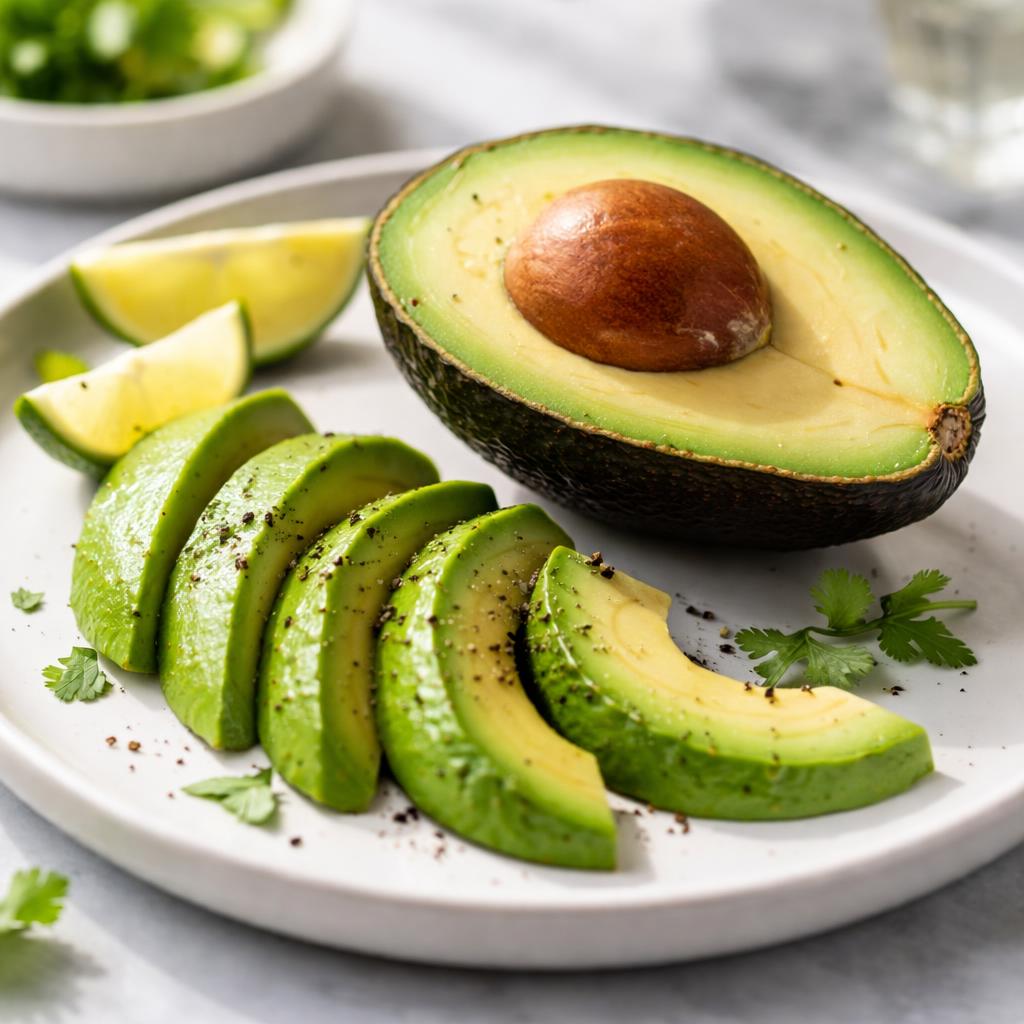
Avocado
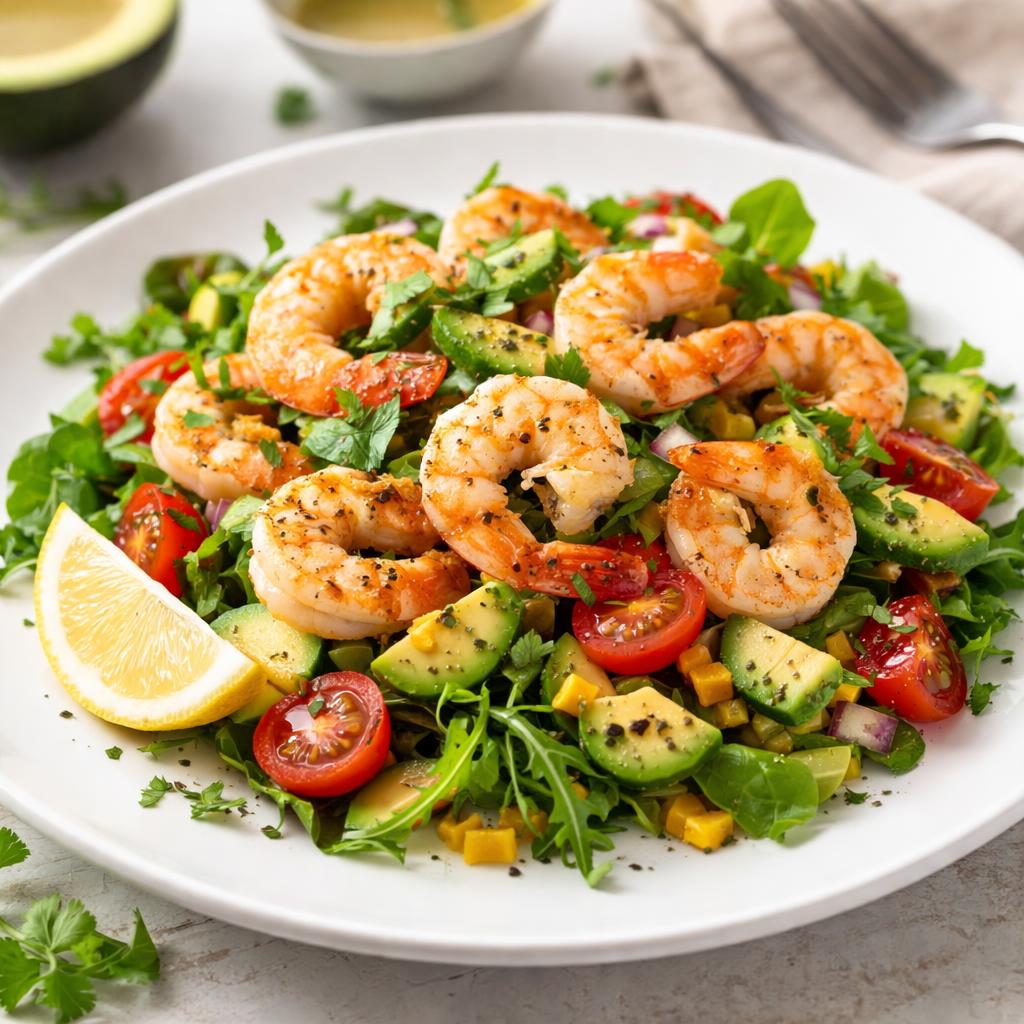
Cocktail
🎯 Quick Verdict
Avocado is a nutrient-dense food with healthy fats, fiber, and essential vitamins, whereas a cocktail is a calorie-dense drink with little nutritional value. Avocado serves better as a functional food for meals, while cocktails are better suited for occasional indulgence or social gatherings.

Smart Nutrition Tracking with SnapCalorie

📊 Nutritional Comparison
Macronutrients
| Nutrient | Food 1 | Food 2 | Winner |
|---|---|---|---|
| Calories | 160 | 200 | ✓ |
| Protein | 2g | 0g | ✓ |
| Carbs | 8.5g | 25g | ✓ |
| Fat | 15g | 0g | ✓ |
| Fiber | 7g | 0g | ✓ |
Vitamins & Minerals
| Nutrient | Food 1 | Food 2 | Winner |
|---|---|---|---|
| Vitamin C | 10mg | 0mg | ✓ |
| Vitamin K | 21mcg | 0mcg | ✓ |
| Potassium | 485mg | 50mg | ✓ |
🏆 Category Winners
Protein
Avocado offers 2g of protein, while cocktail has none.
Fiber
Avocado contains 7g of fiber, essential for digestion, while cocktail contains 0g.
Calories
Avocado has slightly fewer calories overall despite being a whole food.
Vitamins
Avocado is rich in vitamins such as vitamin C and vitamin K, while cocktail provides negligible vitamins.
🥗 Diet Compatibility
Keto
Food 1: Compatible
Food 2: Not Compatible
Avocado is low-carb and high-fat, while cocktail is high-carb from sugars.
Vegan
Food 1: Compatible
Food 2: Compatible
Both are plant-based; however, cocktail offers no beneficial nutrients.
Gluten Free
Food 1: Compatible
Food 2: Compatible
Neither contains gluten unless added ingredients.
Paleo
Food 1: Compatible
Food 2: Not Compatible
Avocado matches paleo guidelines, whereas cocktails typically contain processed sugars.
Low-Carb
Food 1: Compatible
Food 2: Not Compatible
Avocado is naturally low-carb (8.5g), whereas cocktail is sugar-heavy (25g).
💪 Health Benefits Comparison
Food 1 Benefits
- Rich in heart-healthy monounsaturated fats
- Excellent source of fiber for digestive health
- Contains potassium crucial for blood pressure regulation
- Provides antioxidants like vitamin E for skin health
Food 2 Benefits
- Can provide quick energy from sugar (though less ideal)
- Offers hydration to some extent when consumed in moderation
- Social indulgence for relaxation in occasional settings
✅ The Bottom Line
Avocado is a nutritionally superior choice, offering healthy fats, vitamins, and fiber, making it suitable for balanced diets and health optimization. Cocktails lack nutrients, mainly serving as a recreational or social drink, best consumed sparingly. For health-conscious eating, avocado is the clear winner.
Choose Food 1 for: Weight management, heart health, digestive support
Choose Food 2 for: Social occasions, indulgence, quick energy (in moderation)


