Avocado VS Breakfast Sandwich
A detailed nutritional comparison
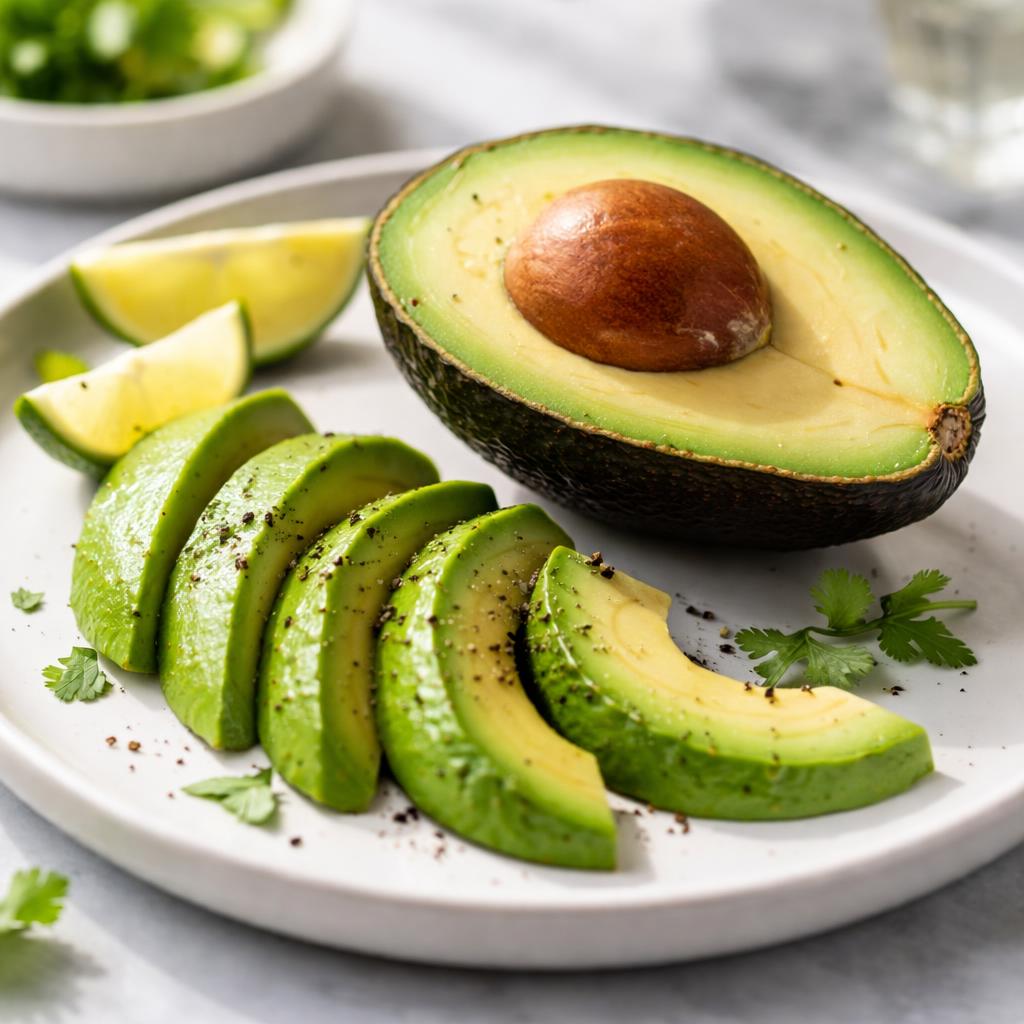
Avocado

Breakfast Sandwich
🎯 Quick Verdict
Avocado is nutrient-dense, providing healthy fats, fiber, and key vitamins. The breakfast sandwich is higher in protein and calories but typically contains refined carbs and saturated fats. Choose avocado for heart health and digestion, while breakfast sandwiches can provide convenient energy and protein for busy mornings.

Smart Nutrition Tracking with SnapCalorie

📊 Nutritional Comparison
Macronutrients
| Nutrient | Food 1 | Food 2 | Winner |
|---|---|---|---|
| Calories | 160 | 300 | ✓ |
| Protein | 2g | 12g | ✓ |
| Carbs | 9g | 30g | ✓ |
| Fat | 15g | 10g | ✓ |
| Fiber | 7g | 2g | ✓ |
Vitamins & Minerals
| Nutrient | Food 1 | Food 2 | Winner |
|---|---|---|---|
| Vitamin D | 0mcg | 1.5mcg | ✓ |
| Vitamin C | 10mg | 0mg | ✓ |
| Potassium | 485mg | 230mg | ✓ |
| Iron | 0.4mg | 2mg | ✓ |
🏆 Category Winners
Protein
Food2 has 6x more protein per serving than food1.
Fiber
Food1 provides 3.5x more fiber than food2.
Calories
Food1 has almost half the calories of food2.
Vitamin D
Food2 contains vitamin D, while food1 does not.
Potassium
Food1 provides 2x more potassium than food2.
🥗 Diet Compatibility
Keto
Food 1: Compatible
Food 2: Not Compatible
Food1 is low-carb and high-fat.
Vegan
Food 1: Compatible
Food 2: Not Compatible
Food2 likely contains animal products (egg, meat).
Gluten Free
Food 1: Compatible
Food 2: Not Compatible
Food2 may contain bread, which includes gluten.
Paleo
Food 1: Compatible
Food 2: Not Compatible
Food1 fits paleo guidelines; food2 often includes processed ingredients.
Low Carb
Food 1: Compatible
Food 2: Not Compatible
Food1 has low net carbs (7g fiber offsets 9g carbs).
💪 Health Benefits Comparison
Food 1 Benefits
- Rich in healthy monounsaturated fats for heart health
- Excellent source of fiber to aid digestion
- High in potassium to support blood pressure regulation
- Contains antioxidants like vitamin C for immune health
Food 2 Benefits
- High in protein for muscle repair and maintenance
- Provides energy-dense nutrients for active lifestyles
- May include iron to support oxygen transport in the body
- Convenient option for quick breakfasts or meals on the go
✅ The Bottom Line
Avocado is ideal for those seeking nutrient density, heart health benefits, and digestion support. Breakfast sandwiches are better suited for individuals needing higher protein intake or a fast and filling meal. Both foods have their applications depending on dietary needs and lifestyle.
Choose Food 1 for: Heart health, digestion, nutrient-dense snacks
Choose Food 2 for: Quick energy, muscle repair, high-protein diets


