Avocado VS Bean Salad
A detailed nutritional comparison
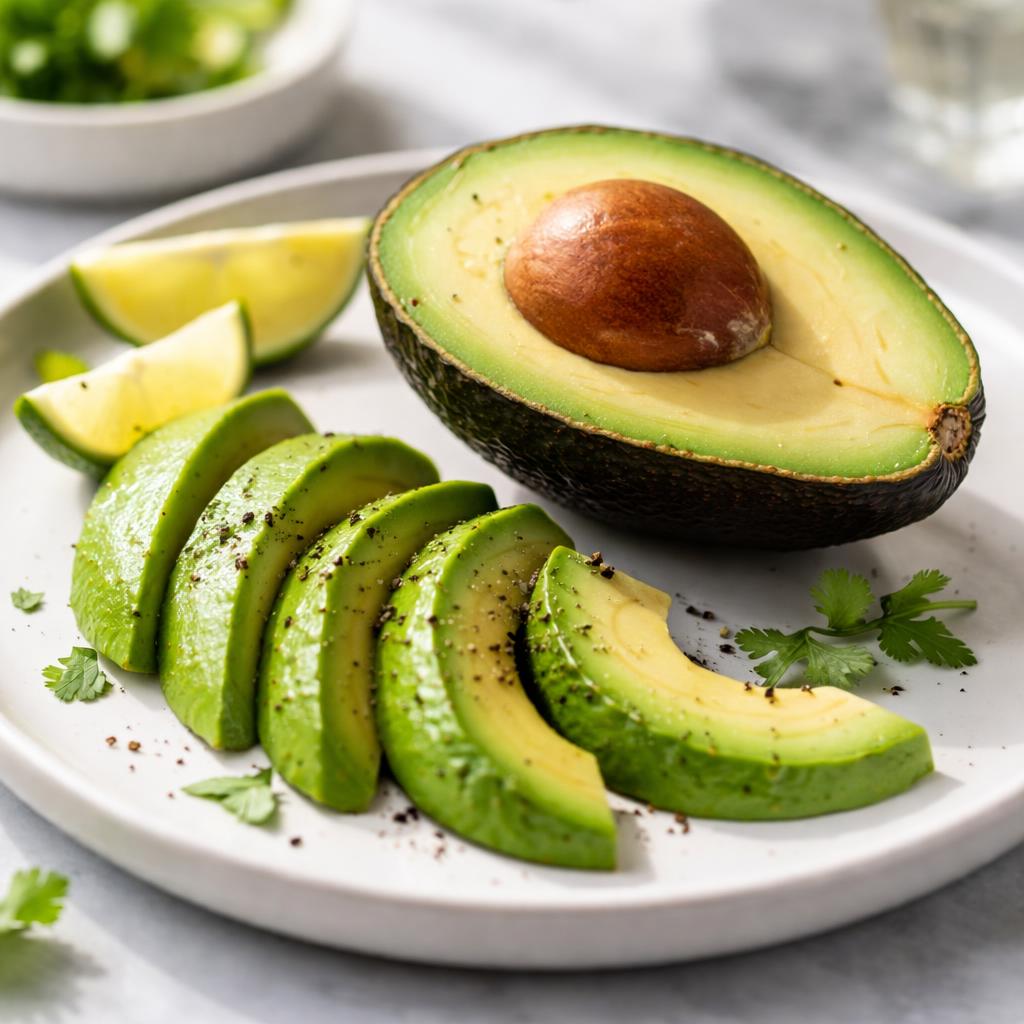
Avocado
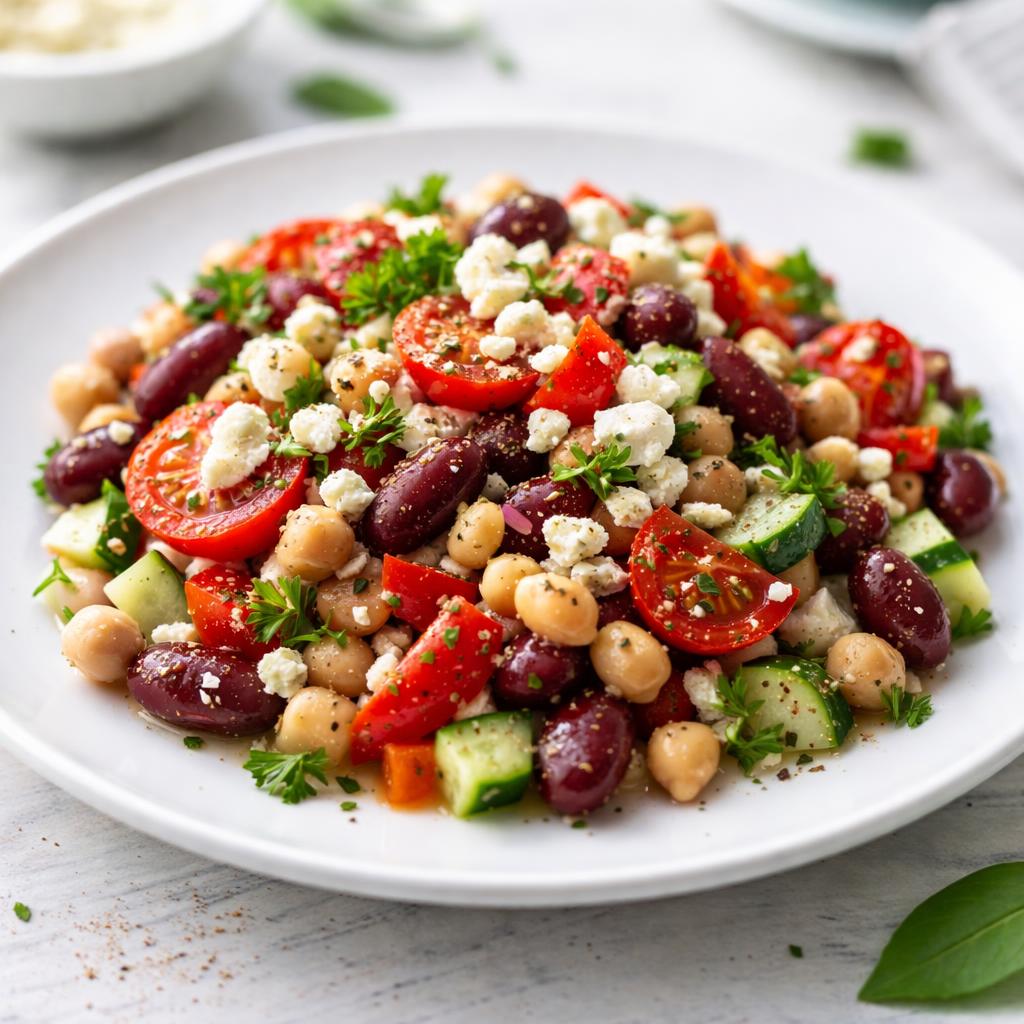
Bean Salad
🎯 Quick Verdict
Avocado is lower in calories, higher in healthy fats, and provides more potassium, making it ideal for heart health and keto diets. Bean salad, on the other hand, is higher in protein and fiber, offering sustained energy and better digestion. These foods complement different dietary needs.

Smart Nutrition Tracking with SnapCalorie

📊 Nutritional Comparison
Macronutrients
| Nutrient | Food 1 | Food 2 | Winner |
|---|---|---|---|
| Calories | 160 | 250 | ✓ |
| Protein | 2g | 10g | ✓ |
| Carbs | 9g | 35g | ✓ |
| Fat | 15g | 5g | ✓ |
| Fiber | 7g | 10g | ✓ |
Vitamins & Minerals
| Nutrient | Food 1 | Food 2 | Winner |
|---|---|---|---|
| Vitamin C | 10mg | 4mg | ✓ |
| Potassium | 485mg | 300mg | ✓ |
| Calcium | 10mg | 80mg | ✓ |
| Iron | 0.6mg | 3mg | ✓ |
🏆 Category Winners
Protein
Bean salad has 5 times more protein per serving.
Fiber
Bean salad provides 43% more fiber for digestive health.
Calories
Avocado has 36% fewer calories per serving.
Vitamins
Avocado is richer in potassium and Vitamin C, supporting heart and immune health.
🥗 Diet Compatibility
Keto
Food 1: Compatible
Food 2: Not Compatible
Avocado is high in healthy fats and low-carb.
Vegan
Food 1: Compatible
Food 2: Compatible
Both are plant-based and suitable for vegan diets.
Gluten Free
Food 1: Compatible
Food 2: Compatible
Neither contains gluten.
Paleo
Food 1: Compatible
Food 2: Not Compatible
Bean salad contains legumes, which are restricted in strict paleo diets.
Low-Carb
Food 1: Compatible
Food 2: Not Compatible
Avocado is lower in carbohydrates (9g vs. 35g).
💪 Health Benefits Comparison
Food 1 Benefits
- Rich in heart-healthy monounsaturated fats
- High in potassium for blood pressure regulation
- Contains fiber that supports digestion
- Good source of Vitamin C for immune health
Food 2 Benefits
- High in protein for muscle maintenance
- Rich in fiber for improved digestive health
- Provides essential minerals like iron and calcium
- Contains complex carbohydrates for sustained energy
✅ The Bottom Line
Choose avocado for a low-carb, heart-healthy addition to your diet, especially if you're following keto or paleo guidelines. Opt for bean salad if you're seeking a protein and fiber-rich dish for long-lasting energy and improved digestion.
Choose Food 1 for: Keto, paleo diets, heart health, weight management
Choose Food 2 for: Vegetarian/vegan diets, muscle maintenance, sustained energy


