Apple VS Wrap
A detailed nutritional comparison
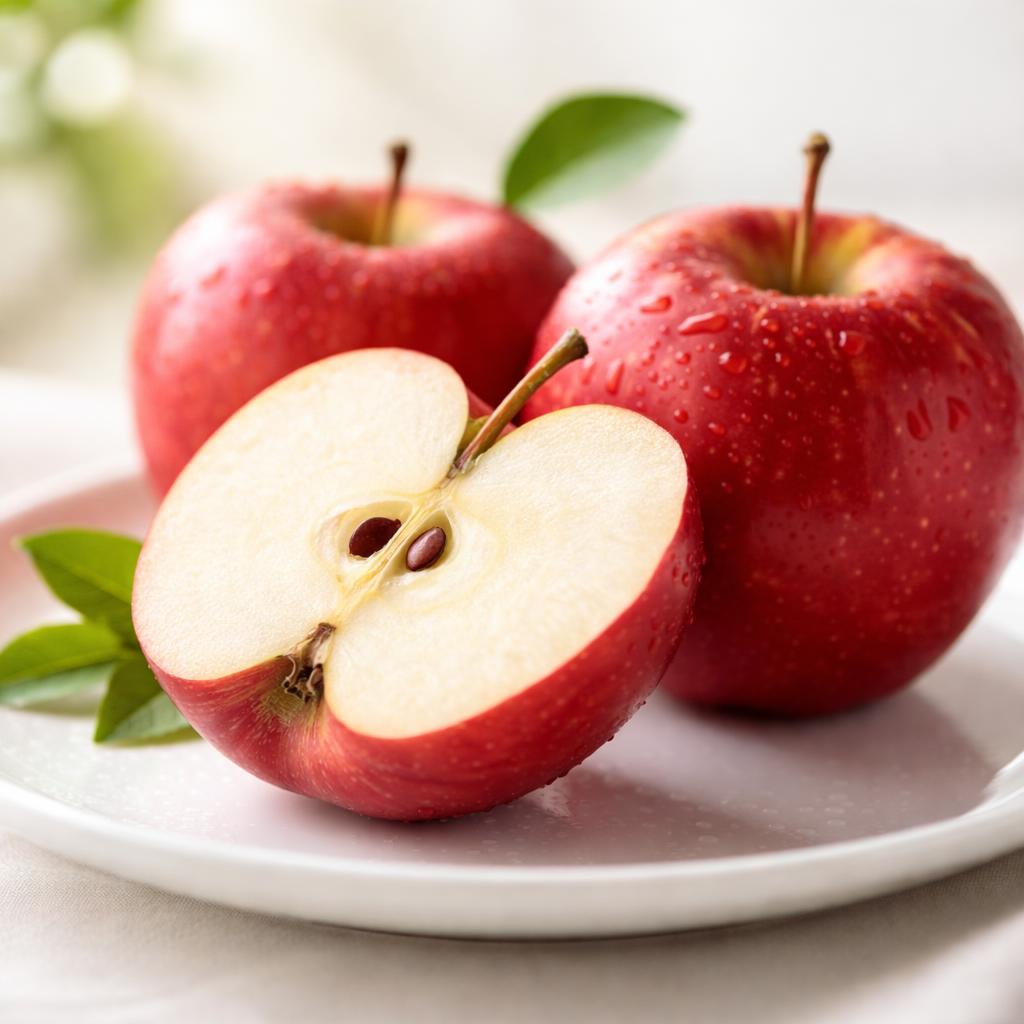
Apple
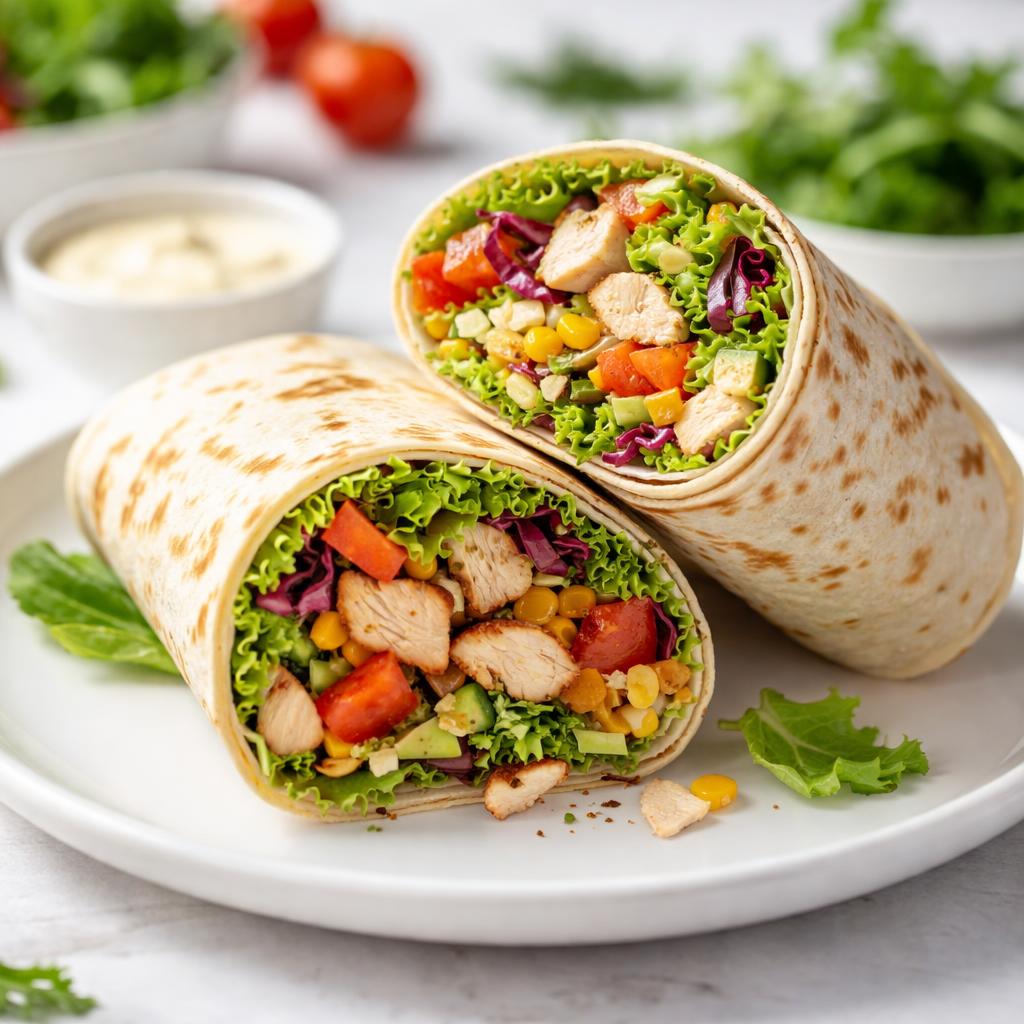
Wrap
🎯 Quick Verdict
Apples are lower-calorie, high-fiber fruits ideal for snacking and digestion support. Wraps, on the other hand, provide more protein and sustained energy, making them suitable for meals. Both foods have unique benefits depending on dietary needs and use cases.

Smart Nutrition Tracking with SnapCalorie

📊 Nutritional Comparison
Macronutrients
| Nutrient | Food 1 | Food 2 | Winner |
|---|---|---|---|
| Calories | 95 | 150 | − |
| Protein | 0.5g | 5g | − |
| Carbs | 25g | 20g | − |
| Fat | 0.3g | 3g | − |
| Fiber | 4g | 2g | − |
Vitamins & Minerals
| Nutrient | Food 1 | Food 2 | Winner |
|---|---|---|---|
| Vitamin C | 8mg | 2mg | − |
| Vitamin D | 0mcg | 0mcg | − |
| Calcium | 11mg | 70mg | − |
| Iron | 0.1mg | 1mg | − |
🏆 Category Winners
Protein
Wrap contains 10x more protein compared to apple.
Fiber
Apple has twice the amount of fiber per serving.
Calories
Apple contains 37% fewer calories than wrap.
Vitamins
Apple is richer in Vitamin C, beneficial for immunity support.
🥗 Diet Compatibility
Keto
Food 1: Not Compatible
Food 2: Not Compatible
Both are relatively high in carbs and not suitable for keto diets.
Vegan
Food 1: Compatible
Food 2: Depends on type, possibly Compatible
Apples are vegan; wraps may vary based on ingredients (e.g., containing animal-based oils).
Gluten Free
Food 1: Compatible
Food 2: Not Compatible
Apples are naturally gluten-free, whereas wraps typically contain wheat.
Paleo
Food 1: Compatible
Food 2: Not Compatible
Apples fit within a paleo diet; wraps are excluded due to processed grains.
Low-Carb
Food 1: Not Compatible
Food 2: Not Compatible
Both foods have moderate to high carb content.
💪 Health Benefits Comparison
Food 1 Benefits
- Rich in fiber to support digestion and gut health.
- High in antioxidants for reducing inflammation.
- Provides natural sugars for quick energy.
- Good source of Vitamin C to boost the immune system.
Food 2 Benefits
- Higher protein content for muscle maintenance.
- Contains calcium for strong bones and teeth.
- Provides a steady source of energy due to balanced macros.
- Can be a versatile base for nutrient-dense meals.
✅ The Bottom Line
Choose an apple for a nutrient-rich, low-calorie snack or digestion support. Opt for a wrap if you need a quick meal with more protein and energy. Both foods can be part of a balanced diet but serve different purposes.
Choose Food 1 for: Snacking, digestion support, vitamin C boost, weight management
Choose Food 2 for: Easy meal prep, muscle maintenance, nutrient-packed lunches


