Apple VS Turkey Bacon
A detailed nutritional comparison
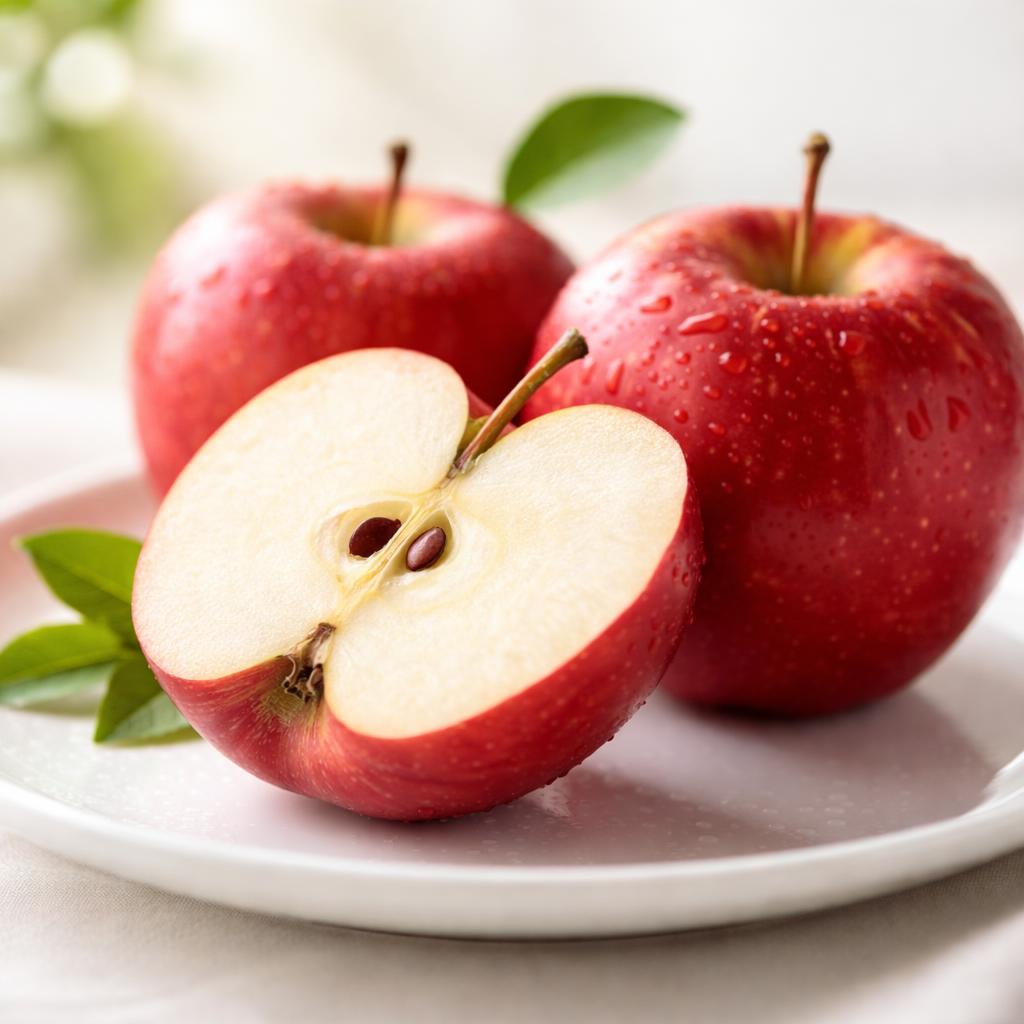
Apple
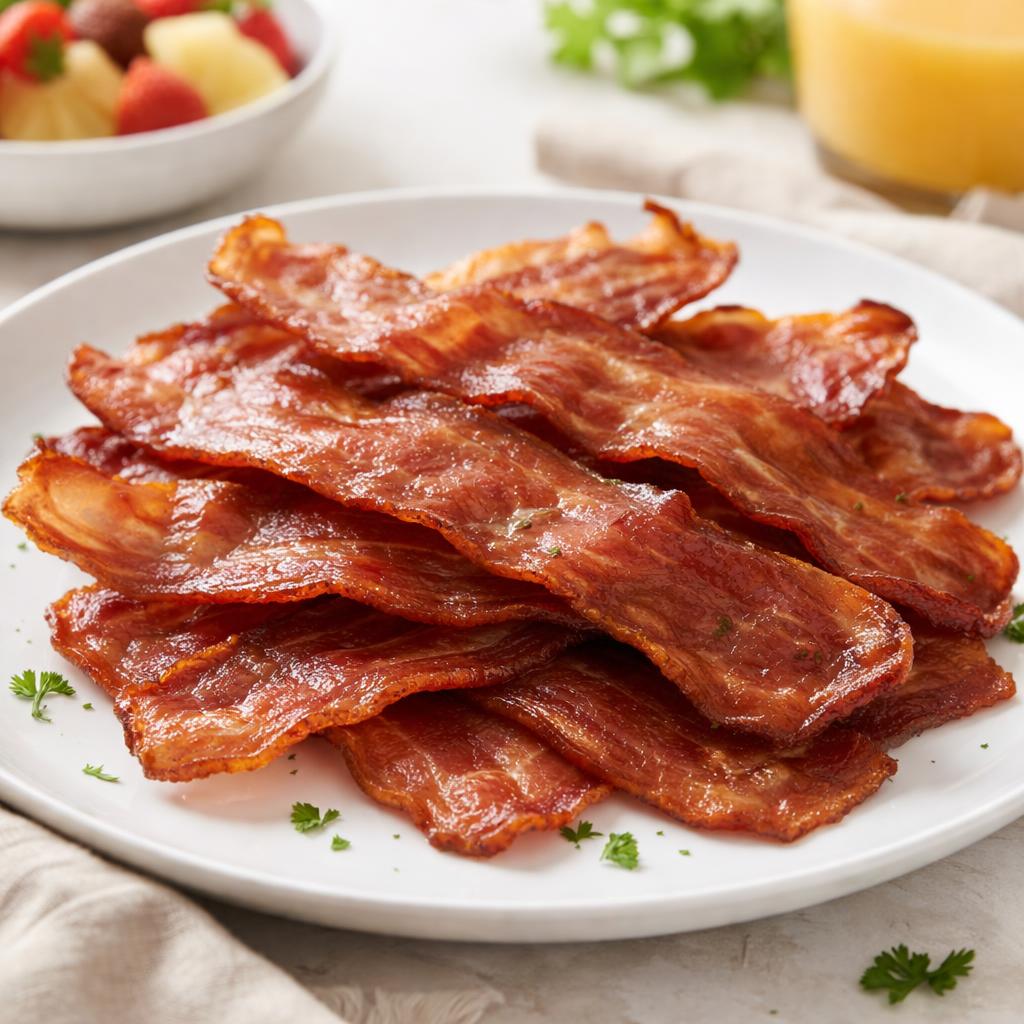
Turkey Bacon
🎯 Quick Verdict
Apple and turkey bacon serve very different dietary purposes. Apples are lower in calories and rich in fiber, making them ideal for digestion and weight management. Turkey bacon is high in protein but contains more fat and sodium, suitable for high-protein diets or keto-focused nutrition plans.

Smart Nutrition Tracking with SnapCalorie

📊 Nutritional Comparison
Macronutrients
| Nutrient | Food 1 | Food 2 | Winner |
|---|---|---|---|
| Calories | 95 | 70 | ✓ |
| Protein | 0.5g | 6g | ✓ |
| Carbs | 25g | 0g | ✓ |
| Fat | 0.3g | 4g | ✓ |
| Fiber | 4.4g | 0g | ✓ |
Vitamins & Minerals
| Nutrient | Food 1 | Food 2 | Winner |
|---|---|---|---|
| Vitamin C | 8.4mg (9% DV) | 0mg | ✓ |
| Calcium | 11mg (1% DV) | 2mg (<1% DV) | ✓ |
| Iron | 0.2mg (1% DV) | 0.4mg (2% DV) | ✓ |
| Sodium | 2mg | 260mg | − |
🏆 Category Winners
Protein
Turkey bacon contains significantly more protein (6g vs 0.5g).
Fiber
Apple contains more fiber (4.4g vs 0g).
Calories
Apple has fewer calories compared to typical processed turkey bacon.
🥗 Diet Compatibility
Keto
Food 1: Not Compatible
Food 2: Compatible
Turkey bacon is very low in carbs, making it keto-friendly.
Vegan
Food 1: Compatible
Food 2: Not Compatible
Apples are plant-based, while turkey bacon is derived from meat.
Gluten Free
Food 1: Compatible
Food 2: Compatible
Both foods are naturally gluten-free.
Paleo
Food 1: Compatible
Food 2: Conditionally Compatible
Apple is inherently paleo-friendly, but processed turkey bacon may not adhere to strict paleo dietary rules.
Low Carb
Food 1: Not Compatible
Food 2: Compatible
Turkey bacon is very low in carbs, while apples are relatively high in natural sugars.
💪 Health Benefits Comparison
Food 1 Benefits
- Rich in fiber for improved digestion and gut health
- Source of vitamin C to support immune function
- Low in calories, beneficial for weight management
- Contains antioxidants like quercetin which can reduce inflammation
Food 2 Benefits
- High in protein to support muscle maintenance and repair
- Low-carb option suitable for keto and low-carb diets
- Provides iron for energy production and healthy oxygen transport
- Contains healthy fat in moderation to promote satiety
✅ The Bottom Line
Both apple and turkey bacon are nutritious in their own right but serve vastly different purposes. Choose apples for snacking, digestion, and a boost in vitamins and antioxidants. Opt for turkey bacon if you're looking for high protein, keto-friendly options, or a savory addition to meals.
Choose Food 1 for: Snacking, digestion support, weight loss, immune health
Choose Food 2 for: Protein-focused diets, keto, low-carb meal plans, muscle maintenance


