Apple VS Tea
A detailed nutritional comparison
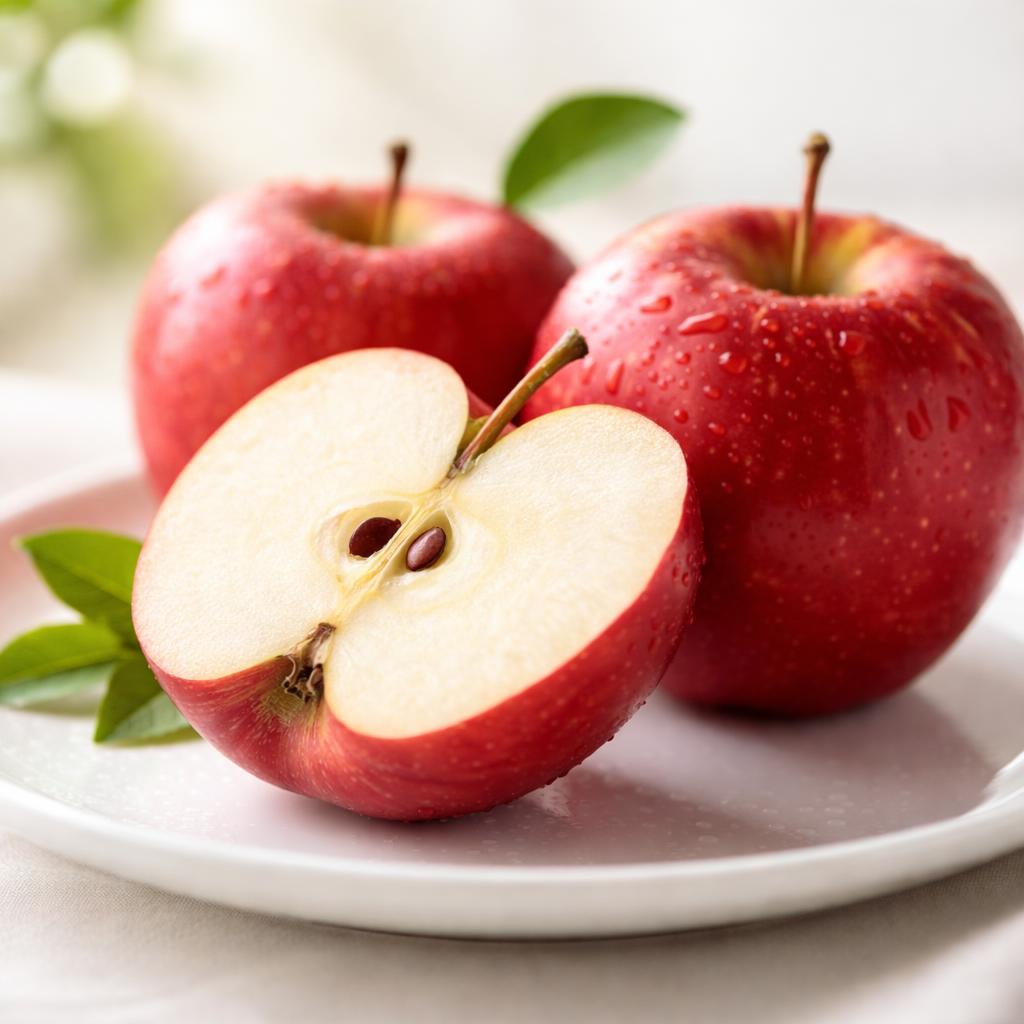
Apple
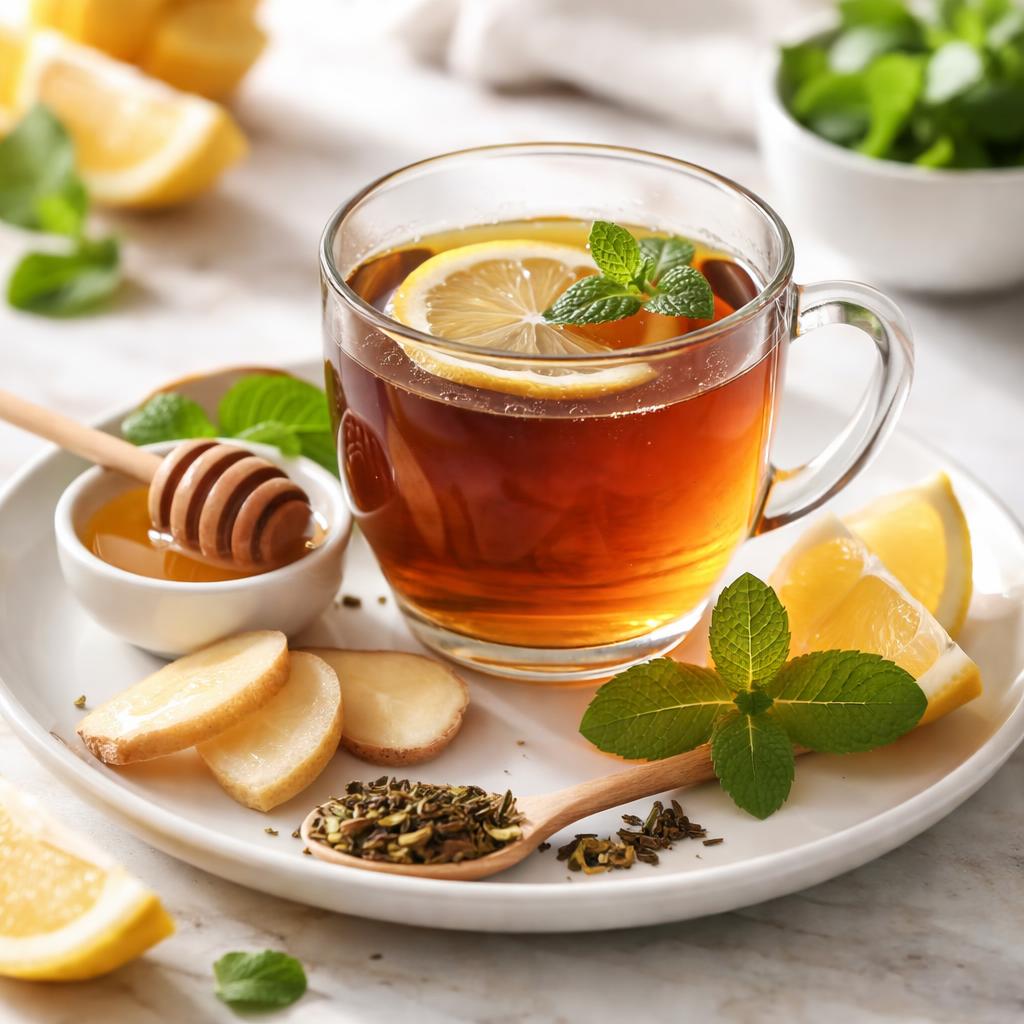
Tea
🎯 Quick Verdict
Apples and tea serve very different nutritional purposes. Apples are higher in fiber, vitamins, and provide natural sugars for energy while tea offers hydration, antioxidants, and almost no calories. Apples are best for snacking or quick energy boosts, while tea is ideal for hydration and relaxation without adding calories.

Smart Nutrition Tracking with SnapCalorie

📊 Nutritional Comparison
Macronutrients
| Nutrient | Food 1 | Food 2 | Winner |
|---|---|---|---|
| Calories | 95 | 2 | ✓ |
| Protein | 0.5g | 0g | ✓ |
| Carbs | 25g | 0g | ✓ |
| Fat | 0.3g | 0g | ✓ |
| Fiber | 4g | 0g | ✓ |
Vitamins & Minerals
| Nutrient | Food 1 | Food 2 | Winner |
|---|---|---|---|
| Vitamin C | 8.4mg | 0mg | ✓ |
| Potassium | 195mg | 37mg | ✓ |
| Iron | 0.2mg | 0mg | ✓ |
🏆 Category Winners
Protein
Apples contain a small amount of protein while tea contains none.
Fiber
Apples have 4g of fiber per serving while tea has zero.
Calories
Tea is very low in calories, at only 2 calories per cup.
Vitamins
Apples provide Vitamin C, potassium, and iron while tea offers none.
🥗 Diet Compatibility
Keto
Food 1: Not Compatible
Food 2: Compatible
Tea is carb-free while apples contain 25g of carbohydrates.
Vegan
Food 1: Compatible
Food 2: Compatible
Both are plant-based foods.
Gluten Free
Food 1: Compatible
Food 2: Compatible
Neither contains gluten.
Paleo
Food 1: Compatible
Food 2: Compatible
Both align with Paleo principles as whole foods.
Low Carb
Food 1: Not Compatible
Food 2: Compatible
Tea meets low-carb criteria while apples do not due to their natural sugar content.
💪 Health Benefits Comparison
Food 1 Benefits
- High in fiber for digestive health
- Rich in Vitamin C for immune system support
- Provides natural energy through carbohydrates
- Contains water and potassium for hydration
Food 2 Benefits
- Zero calories for weight management
- Rich in antioxidants, especially catechins, for reducing inflammation
- Hydrating and replenishing for overall wellbeing
- May support heart health and reduce stress through calming properties
✅ The Bottom Line
Choose apples for fiber, vitamins, and a healthy, satisfying snack, especially when you need energy or digestion support. Choose tea for zero-calorie hydration, antioxidant boost, and relaxation, making it ideal for diets focused on low calories or carbs.
Choose Food 1 for: Healthy snacking, digestion, energy boost
Choose Food 2 for: Hydration, antioxidant-rich diets, weight management


