Apple VS Squash
A detailed nutritional comparison
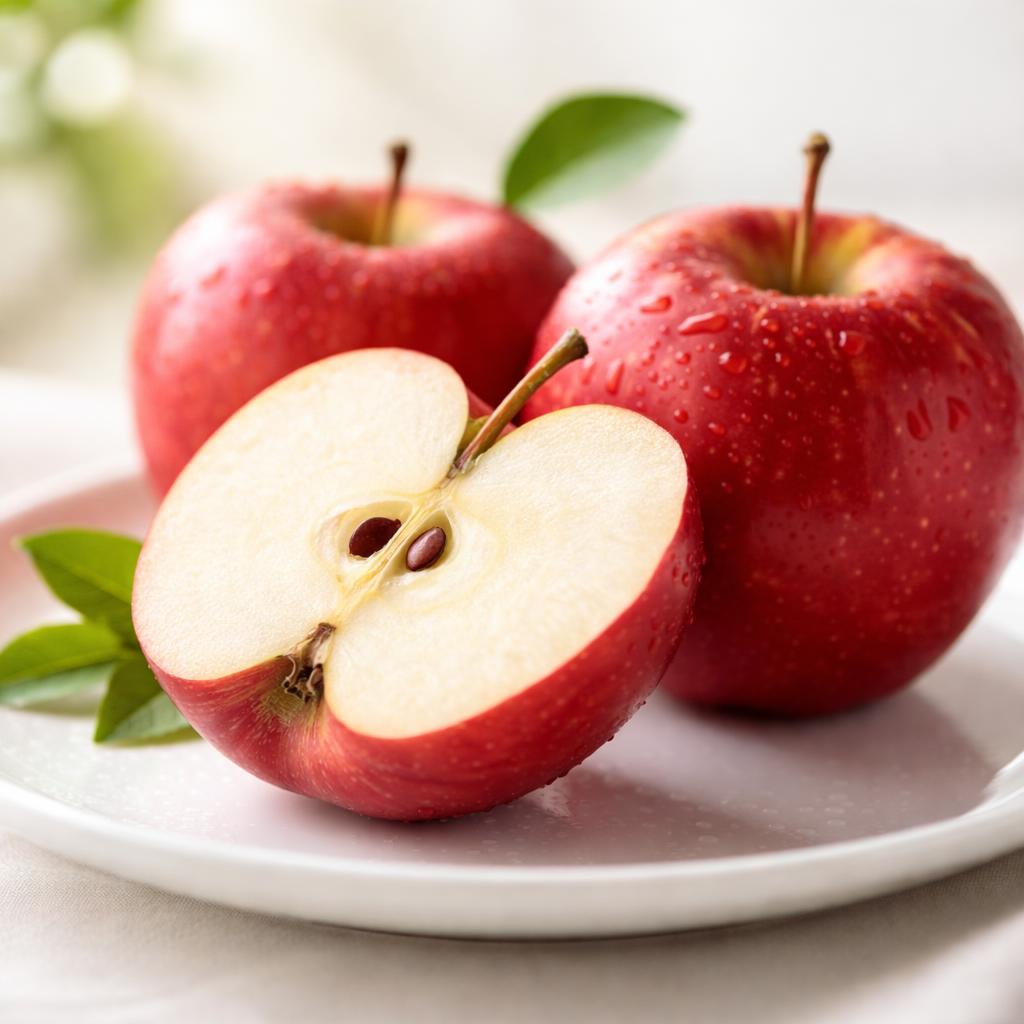
Apple
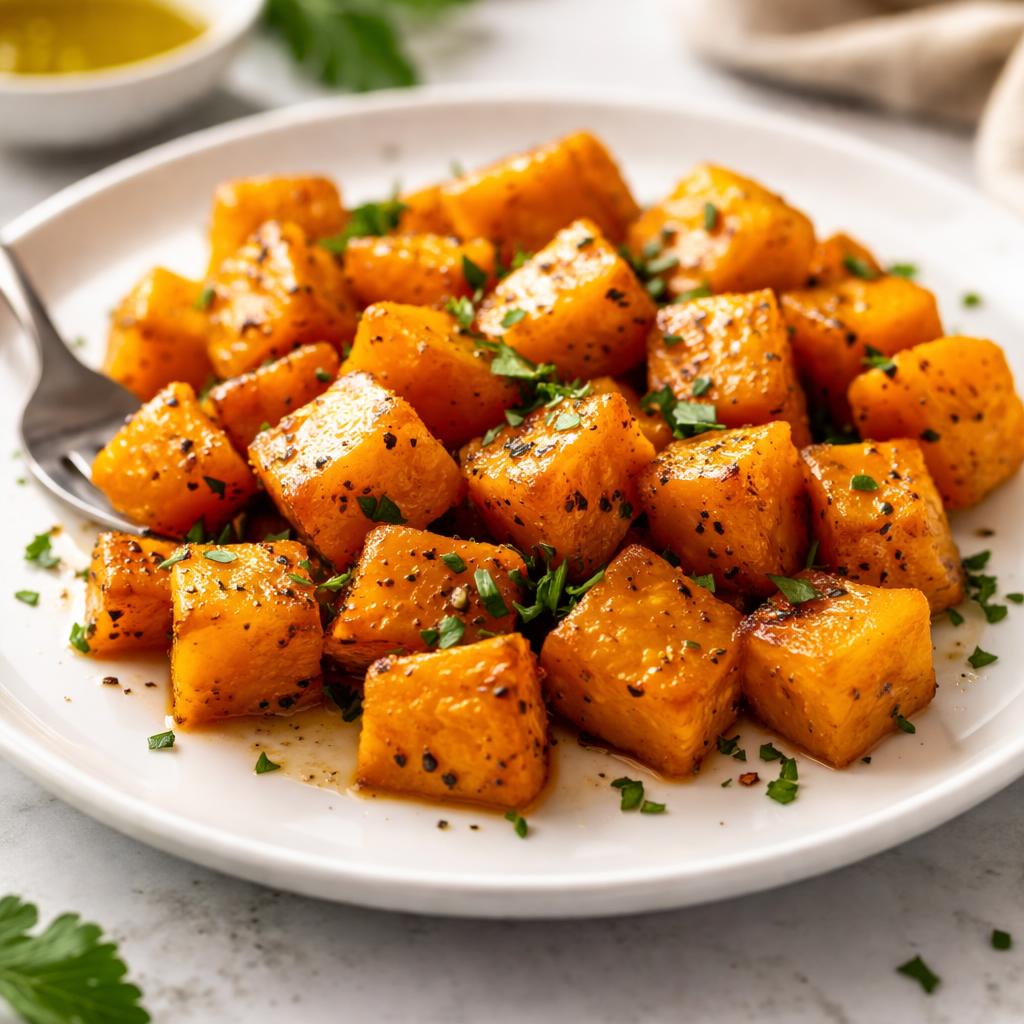
Squash
🎯 Quick Verdict
Apples and squash both provide key nutritional benefits but differ in their uses. Apples are lower in calories and higher in fiber, making them ideal for weight management and digestive health. Squash is more nutrient-dense, offering higher amounts of protein, vitamins, and minerals, which contribute to overall wellness and energy support.

Smart Nutrition Tracking with SnapCalorie

📊 Nutritional Comparison
Macronutrients
| Nutrient | Food 1 | Food 2 | Winner |
|---|---|---|---|
| Calories | 95 | 76 | ✓ |
| Protein | 0.5g | 1.2g | ✓ |
| Carbs | 25g | 20g | ✓ |
| Fat | 0.3g | 0.2g | ✓ |
| Fiber | 4g | 2.2g | ✓ |
Vitamins & Minerals
| Nutrient | Food 1 | Food 2 | Winner |
|---|---|---|---|
| Vitamin C | 8.4mg | 18mg | ✓ |
| Vitamin A | 98IU | 1230IU | ✓ |
| Potassium | 195mg | 350mg | ✓ |
🏆 Category Winners
Protein
Squash has over double the protein content compared to an apple.
Fiber
Apples have nearly twice the fiber content.
Calories
Squash has slightly fewer calories than an apple by 20%.
🥗 Diet Compatibility
Keto
Food 1: Not Compatible
Food 2: Compatible
Squash is lower in net carbs compared to apples.
Vegan
Food 1: Compatible
Food 2: Compatible
Both are plant-based options.
Gluten Free
Food 1: Compatible
Food 2: Compatible
Neither contains gluten.
Paleo
Food 1: Compatible
Food 2: Compatible
Both match the principles of a paleo diet.
Low Carb
Food 1: Not Compatible
Food 2: Compatible
Squash is lower in carbs and better suited for low-carb diets.
💪 Health Benefits Comparison
Food 1 Benefits
- Promotes digestive health with high fiber content
- Low-calorie option for weight management
- Provides antioxidants for cellular health
Food 2 Benefits
- High in Vitamin A, supporting eye and immune health
- Rich in potassium for blood pressure regulation
- Good source of Vitamin C to boost immune function
✅ The Bottom Line
Choose apples for their fiber and low-calorie benefits, especially for snacks or weight management. Opt for squash when seeking a lower-carb, nutrient-dense food with higher protein and vitamin content to enhance meals.
Choose Food 1 for: Weight loss, digestive health, on-the-go snacking
Choose Food 2 for: Heart health, nutrient-rich meals, keto and low-carb diets


