Apple VS Red Apple
A detailed nutritional comparison
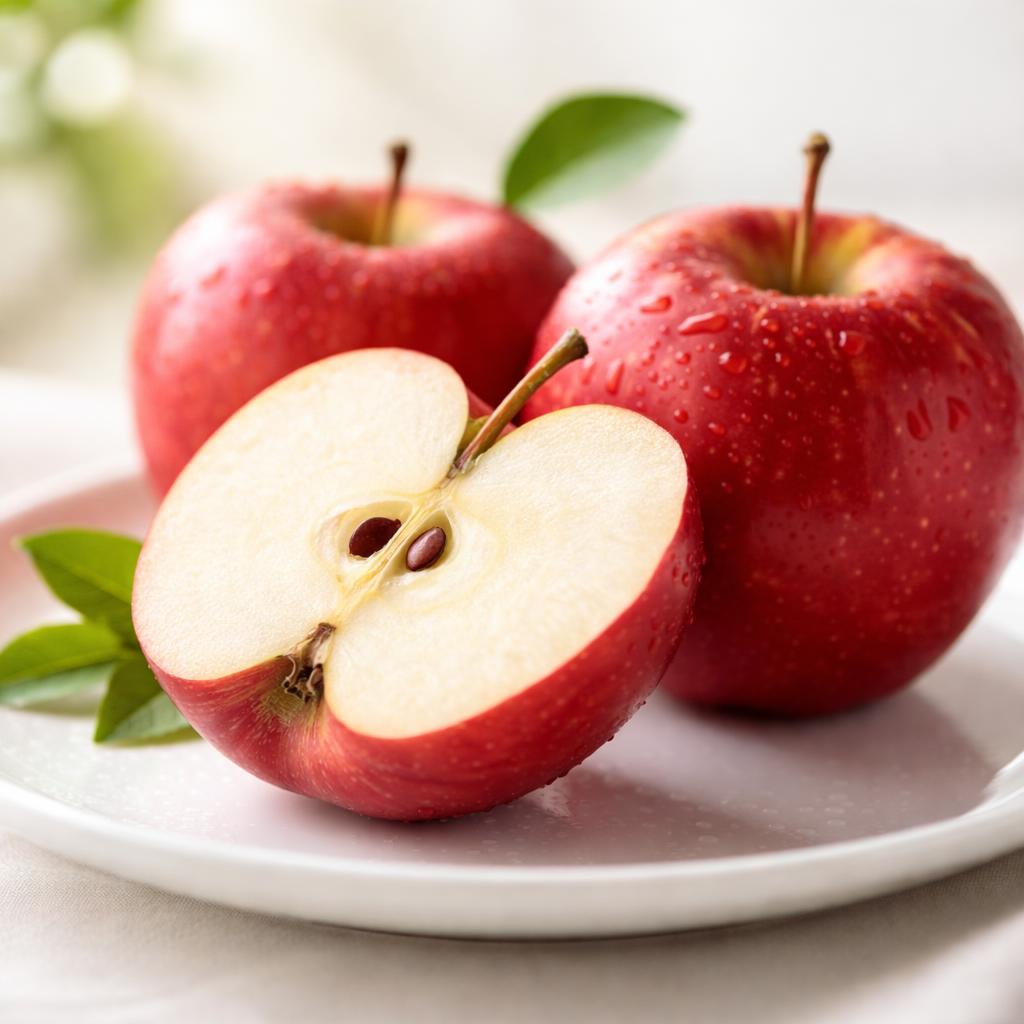
Apple
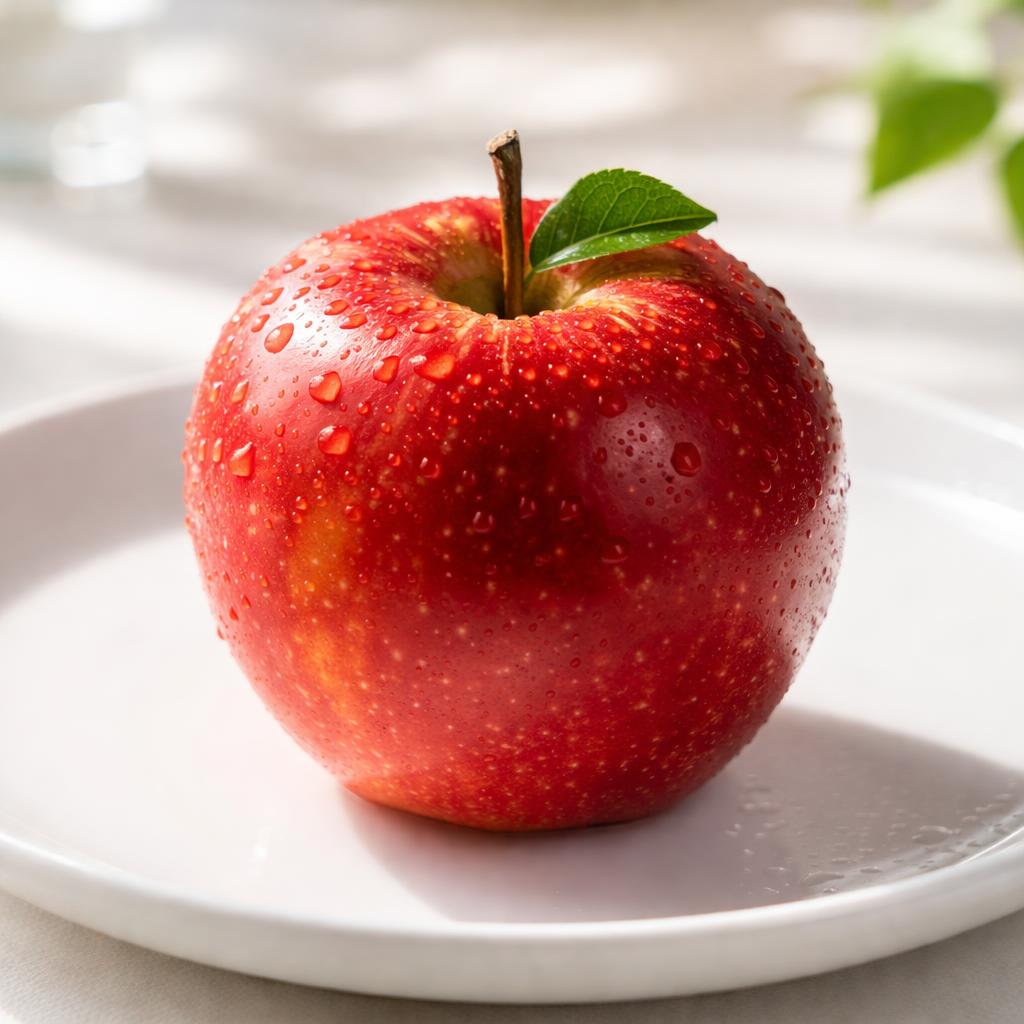
Red Apple
🎯 Quick Verdict
Both apple and red apple are nutritionally identical, as 'red apple' is simply a variety of apple. They provide moderate calories, fiber, and natural sugars, making them a healthy snack choice. Best used for general snacking, salads, or desserts due to their versatility and micronutrient content.

Smart Nutrition Tracking with SnapCalorie

📊 Nutritional Comparison
Macronutrients
| Nutrient | Food 1 | Food 2 | Winner |
|---|---|---|---|
| Calories | 95 | 95 | − |
| Protein | 0.5g | 0.5g | − |
| Carbs | 25g | 25g | − |
| Fat | 0.3g | 0.3g | − |
| Fiber | 4g | 4g | − |
Vitamins & Minerals
| Nutrient | Food 1 | Food 2 | Winner |
|---|---|---|---|
| Vitamin C | 8.4mg | 8.4mg | − |
| Potassium | 195mg | 195mg | − |
| Vitamin A | 3mcg | 3mcg | − |
🏆 Category Winners
Protein
Both foods contain the same negligible amount of protein.
Fiber
Both provide equal fiber content at 4g per serving.
Calories
Both have the same calorie count of 95 per serving.
🥗 Diet Compatibility
Keto
Food 1: Not Compatible
Food 2: Not Compatible
Both have too many carbs for a strict keto diet.
Vegan
Food 1: Compatible
Food 2: Compatible
Both are plant-based.
Gluten Free
Food 1: Compatible
Food 2: Compatible
Neither contains gluten.
Paleo
Food 1: Compatible
Food 2: Compatible
Both comply with Paleo guidelines for whole, unprocessed food.
Low Carb
Food 1: Not Compatible
Food 2: Not Compatible
Each contains 25g of carbs per serving, which is high for low-carb diets.
💪 Health Benefits Comparison
Food 1 Benefits
- Rich in antioxidants for reducing oxidative stress
- Good source of dietary fiber for digestion
- Contains vitamins for immune support
Food 2 Benefits
- Supports heart health via fiber and flavonoids
- Provides hydration due to high water content
- Natural sugars offer quick energy
✅ The Bottom Line
There is no nutritional difference between apple and red apple; they are interchangeable in almost any dietary context. Choose either one for a low-calorie, fiber-rich snack with natural sweetness. They fit various diets, except keto or low-carb plans.
Choose Food 1 for: General snacking, improved digestion, antioxidant intake
Choose Food 2 for: Healthy dessert options, quick hydration, energy boost


