Apple VS Protein Shake
A detailed nutritional comparison
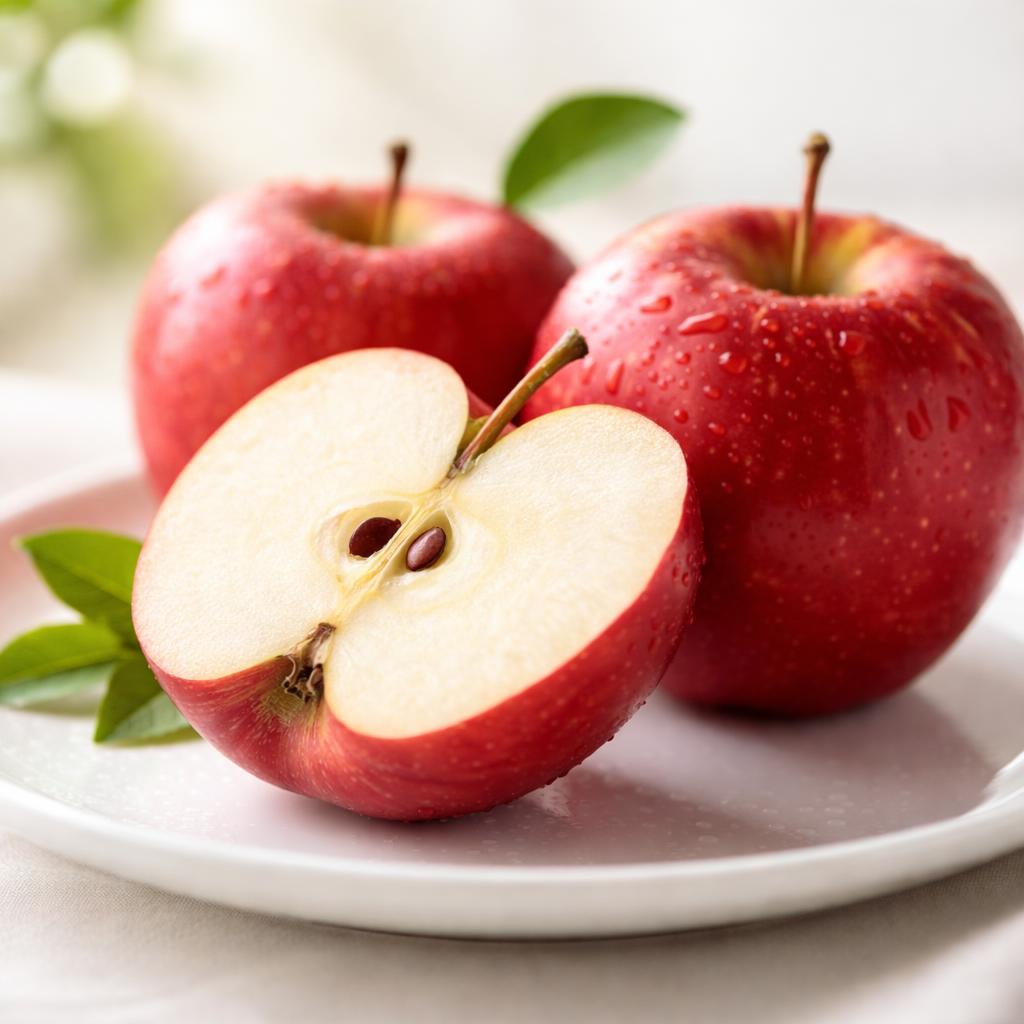
Apple
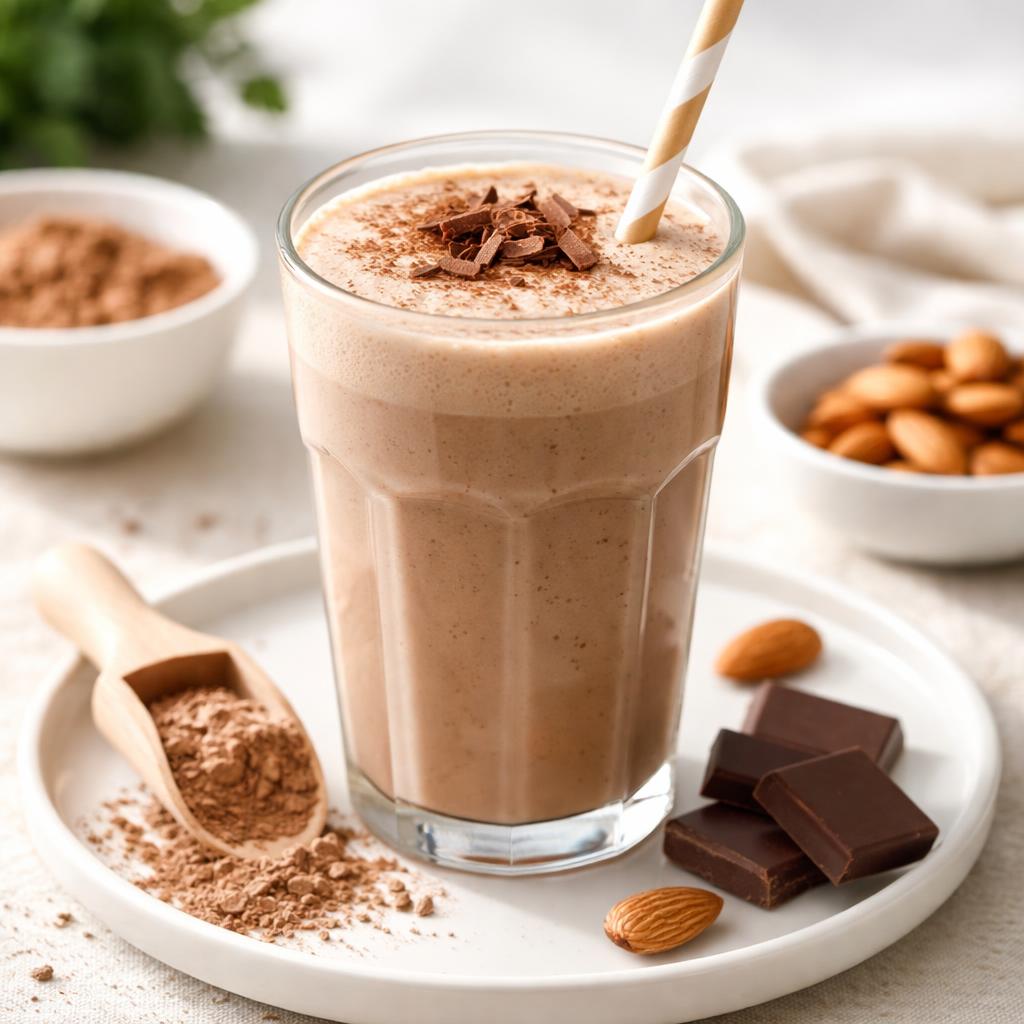
Protein Shake
🎯 Quick Verdict
Protein shakes are a concentrated source of protein with lower fiber but higher calories compared to apples. Apples provide natural sugars, fiber, and vitamins, making them ideal for light snacking, while protein shakes cater to high-protein dietary needs and muscle-building strategies.

Smart Nutrition Tracking with SnapCalorie

📊 Nutritional Comparison
Macronutrients
| Nutrient | Food 1 | Food 2 | Winner |
|---|---|---|---|
| Calories | 95 | 120 | ✓ |
| Protein | 0.5g | 25g | ✓ |
| Carbs | 25g | 8g | ✓ |
| Fat | 0.3g | 2g | ✓ |
| Fiber | 4g | 0g | ✓ |
Vitamins & Minerals
| Nutrient | Food 1 | Food 2 | Winner |
|---|---|---|---|
| Vitamin C | 8.4mg | 0mg | ✓ |
| Calcium | 6mg | 100mg | ✓ |
| Iron | 0.1mg | 2mg | ✓ |
🏆 Category Winners
Protein
Protein shake contains 50x more protein per serving.
Fiber
Apples provide 4g of fiber per serving, while protein shakes provide none.
Calories
Apples are lower-calorie with only 95 calories per serving compared to 120 calories in protein shakes.
Vitamins
Apples are a natural source of Vitamin C not found in protein shakes.
🥗 Diet Compatibility
Keto
Food 1: Not Compatible
Food 2: Compatible
Protein shake is low-carb (8g per serving), while apples contain 25g of carbs.
Vegan
Food 1: Compatible
Food 2: Depends
Apples are always vegan. Protein shakes are vegan only when made from plant-based protein sources.
Gluten Free
Food 1: Compatible
Food 2: Compatible
Both foods are naturally gluten-free.
Paleo
Food 1: Compatible
Food 2: Not Compatible
Apples are paleo-friendly, while most protein shakes are processed and not paleo-compliant.
Low Carb
Food 1: Not Compatible
Food 2: Compatible
Apples have 25g of carbs, making them unsuitable for low-carb diets, whereas protein shakes have only 8g.
💪 Health Benefits Comparison
Food 1 Benefits
- High in dietary fiber for digestion and satiety
- Rich in antioxidants for cellular health
- Provides natural sugars for quick energy
- Good source of Vitamin C for skin and immune health
Food 2 Benefits
- Excellent source of protein for muscle growth and repair
- Low in carbs, suitable for keto and low-carb diets
- Enhanced with vitamins (e.g., calcium and iron) for bone health
- Convenient meal replacement option
✅ The Bottom Line
Choose an apple for a light snack rich in fiber, natural sugars, and immune-boosting Vitamin C. Opt for a protein shake if you need a high-protein meal replacement, are on a low-carb diet, or are building muscle. Both foods cater to specific dietary goals, making them complementary depending on your needs.
Choose Food 1 for: Weight management, gut health, light snacking
Choose Food 2 for: Muscle building, post-workout nutrition, high-protein diets


