Apple VS Protein
A detailed nutritional comparison
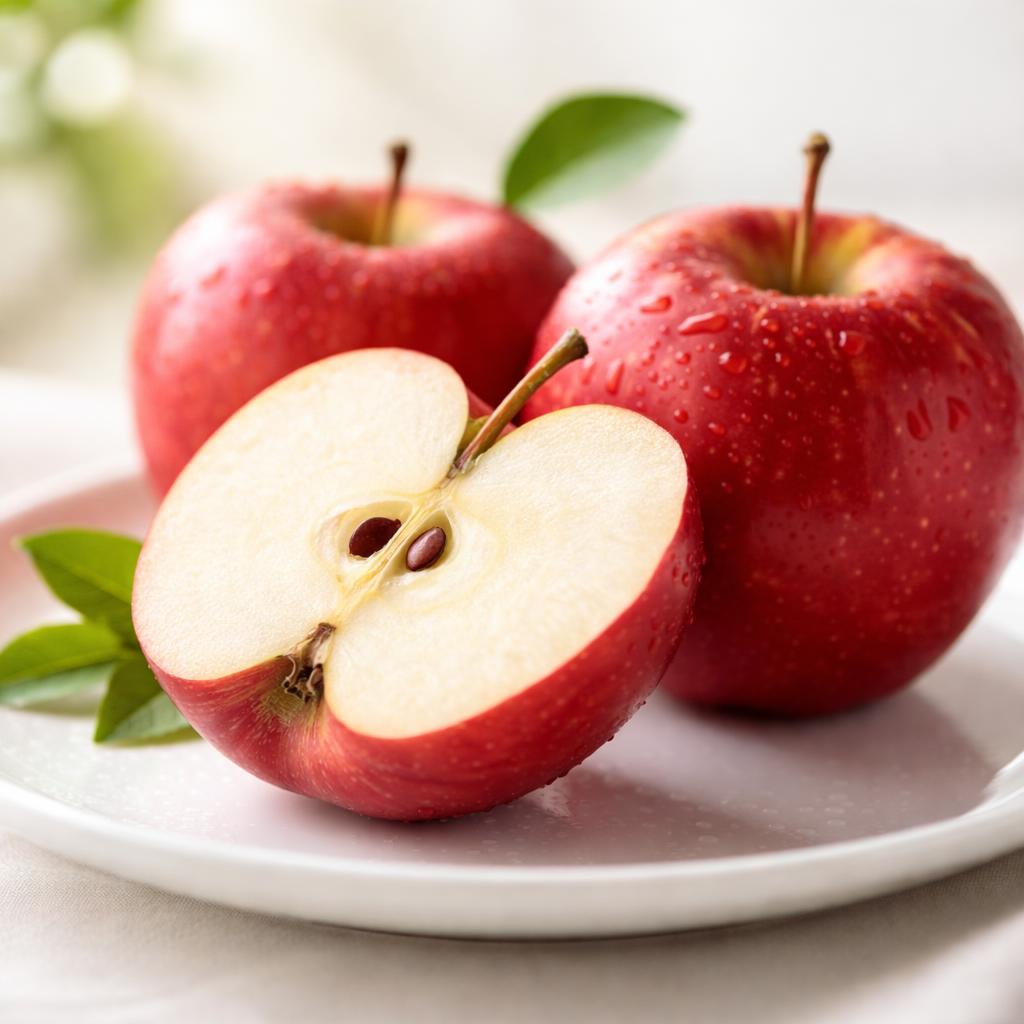
Apple

Protein
🎯 Quick Verdict
Apples are an excellent low-calorie, fiber-rich option for snacking and providing quick energy, while protein powder is a nutrient-dense, high-protein supplement ideal for building muscle and recovery. Both foods serve distinct dietary purposes, and their best use cases vary depending on health goals.

Smart Nutrition Tracking with SnapCalorie

📊 Nutritional Comparison
Macronutrients
| Nutrient | Food 1 | Food 2 | Winner |
|---|---|---|---|
| Calories | 95 | 120 | ✓ |
| Protein | 0.5g | 25g | ✓ |
| Carbs | 25g | 3g | ✓ |
| Fat | 0.3g | 1g | ✓ |
| Fiber | 4g | 0g | ✓ |
Vitamins & Minerals
| Nutrient | Food 1 | Food 2 | Winner |
|---|---|---|---|
| Vitamin C | 8.4mg | 0mg | ✓ |
| Potassium | 195mg | 160mg | ✓ |
| Calcium | 11mg | 150mg | ✓ |
| Iron | 0.2mg | 1mg | ✓ |
🏆 Category Winners
Protein
Protein powder delivers 50x more protein compared to an apple (25g vs 0.5g).
Fiber
Apples contain 4 grams of fiber, whereas protein powder has none.
Calories
Apples are lower in calories (95 vs 120 calories per serving).
🥗 Diet Compatibility
Keto
Food 1: Not Compatible
Food 2: Compatible
Apples are high-carb (25g per serving), protein powder is low-carb (3g).
Vegan
Food 1: Compatible
Food 2: Depends (check sources)
Apples are plant-based, protein powders can vary (e.g., whey vs vegan proteins).
Gluten Free
Food 1: Compatible
Food 2: Compatible
Neither food contains gluten but check protein powder labels for additives.
Paleo
Food 1: Compatible
Food 2: Depends
Apples are paleo-friendly, but many protein powders are processed and may not qualify.
Low-Carb
Food 1: Not Compatible
Food 2: Compatible
Apples are high-carb (25g), whereas protein powder has only 3g per serving.
💪 Health Benefits Comparison
Food 1 Benefits
- Rich in dietary fiber for digestive health
- Good source of vitamin C for immune support
- Contains antioxidants that combat free radicals
- Provides natural energy from carbohydrates
Food 2 Benefits
- Provides high-quality protein for muscle growth and repair
- Low in carbs, supporting ketogenic and low-carb diets
- Can be fortified with essential nutrients like calcium and iron
- Useful for quick protein intake post-workout or meals
✅ The Bottom Line
Choose apples for a fiber-rich, low-calorie snack that provides natural energy, making them ideal for general health, digestion, and active lifestyles. Opt for protein powder if your goal is muscle building, post-workout recovery, or supplementing protein intake on a low-carb or low-calorie diet.
Choose Food 1 for: Digestive health, quick energy, fiber-rich snacks
Choose Food 2 for: Muscle growth, recovery, high protein diets


