Apple VS Pork Sausage
A detailed nutritional comparison
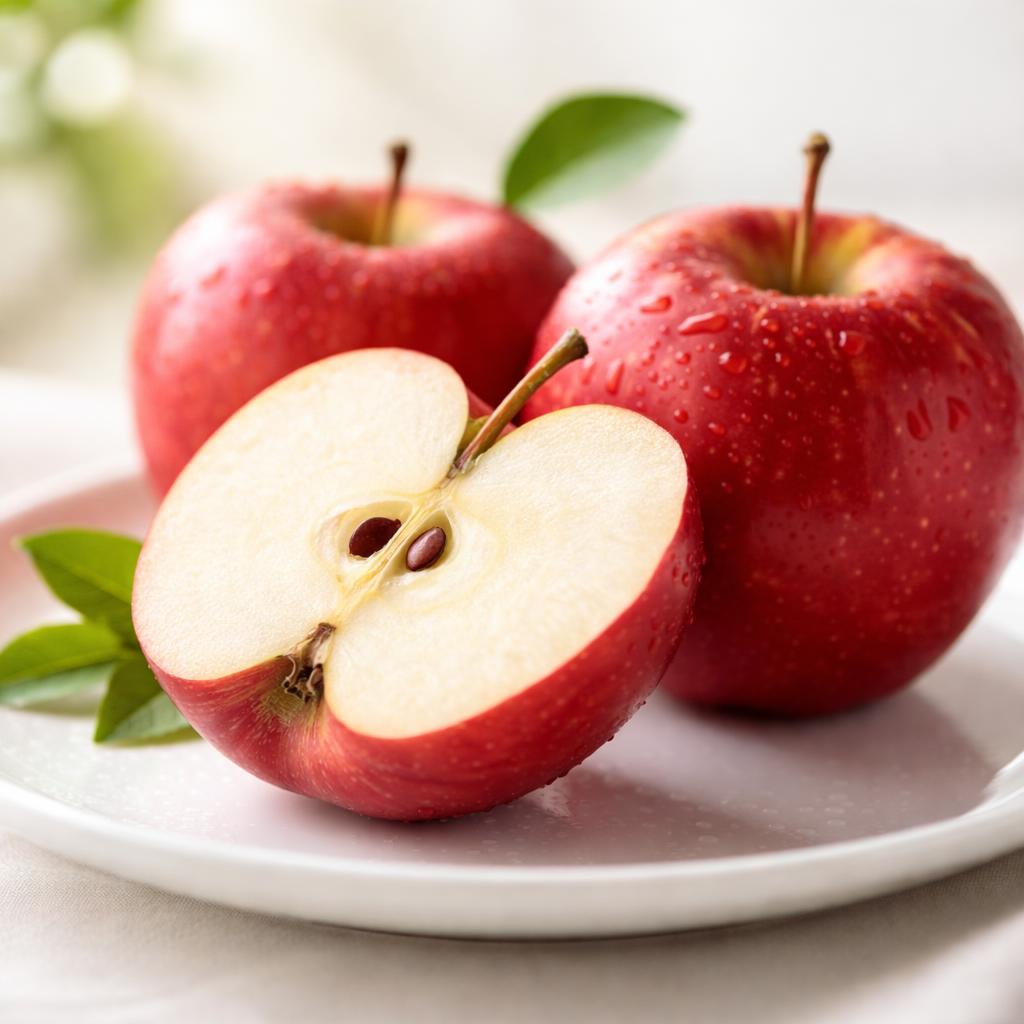
Apple

Pork Sausage
🎯 Quick Verdict
Apples are lower in calories, higher in fiber, and better suited for weight management and digestion. Pork sausage is higher in protein and fat, making it a suitable choice for high-protein or keto diets. Each food has unique benefits depending on dietary goals and preferences.

Smart Nutrition Tracking with SnapCalorie

📊 Nutritional Comparison
Macronutrients
| Nutrient | Food 1 | Food 2 | Winner |
|---|---|---|---|
| Calories | 95 | 270 | ✓ |
| Protein | 0.5g | 13g | ✓ |
| Carbs | 25g | 1g | ✓ |
| Fat | 0.3g | 23g | ✓ |
| Fiber | 4g | 0g | ✓ |
Vitamins & Minerals
| Nutrient | Food 1 | Food 2 | Winner |
|---|---|---|---|
| Vitamin C | 8mg | 0mg | ✓ |
| Vitamin D | 0mcg | 1.3mcg | ✓ |
| Iron | 0.2mg | 1mg | ✓ |
| Potassium | 195mg | 269mg | ✓ |
🏆 Category Winners
Protein
Pork sausage has significantly more protein (13g vs 0.5g), making it ideal for muscle-building diets.
Fiber
Apples contain 4g of fiber per serving, aiding digestion and satiety.
Calories
Apples have less than half the calories of pork sausage (95 vs 270), making them better for weight loss.
Vitamins
Apples are higher in Vitamin C, while pork sausage provides Vitamin D and iron.
🥗 Diet Compatibility
Keto
Food 1: Not Compatible
Food 2: Compatible
Pork sausage is low in carbs, while apples are high in carbohydrates.
Vegan
Food 1: Compatible
Food 2: Not Compatible
Apples are plant-based, but pork sausage is an animal product.
Gluten Free
Food 1: Compatible
Food 2: Often Compatible
Apples are naturally gluten-free, and most pork sausages are as well unless additives contain gluten.
Paleo
Food 1: Not Compatible
Food 2: Compatible
Pork sausage aligns with paleo principles, while apples are excluded due to high sugar content.
Low-Carb
Food 1: Not Compatible
Food 2: Compatible
Apples are high in carbs (25g per serving), while pork sausage is low in carbs (1g per serving).
💪 Health Benefits Comparison
Food 1 Benefits
- High in fiber for improving digestion
- Rich in vitamin C for immune system support
- Low in calories, aiding in weight management
- Contains antioxidants to reduce oxidative stress
Food 2 Benefits
- Significant source of protein for muscle repair
- High in fat for satiety and sustained energy
- Vitamin D content supports bone health
- Provides iron essential for oxygen transport in the body
✅ The Bottom Line
Apples are excellent for weight loss, digestive health, and a quick, low-calorie snack. Pork sausage is suited for those seeking high-protein, low-carb options, particularly for muscle-building or keto diets.
Choose Food 1 for: Weight management, digestion, general snacking
Choose Food 2 for: Keto diets, high-protein needs, sustained energy


