Apple VS Poha
A detailed nutritional comparison
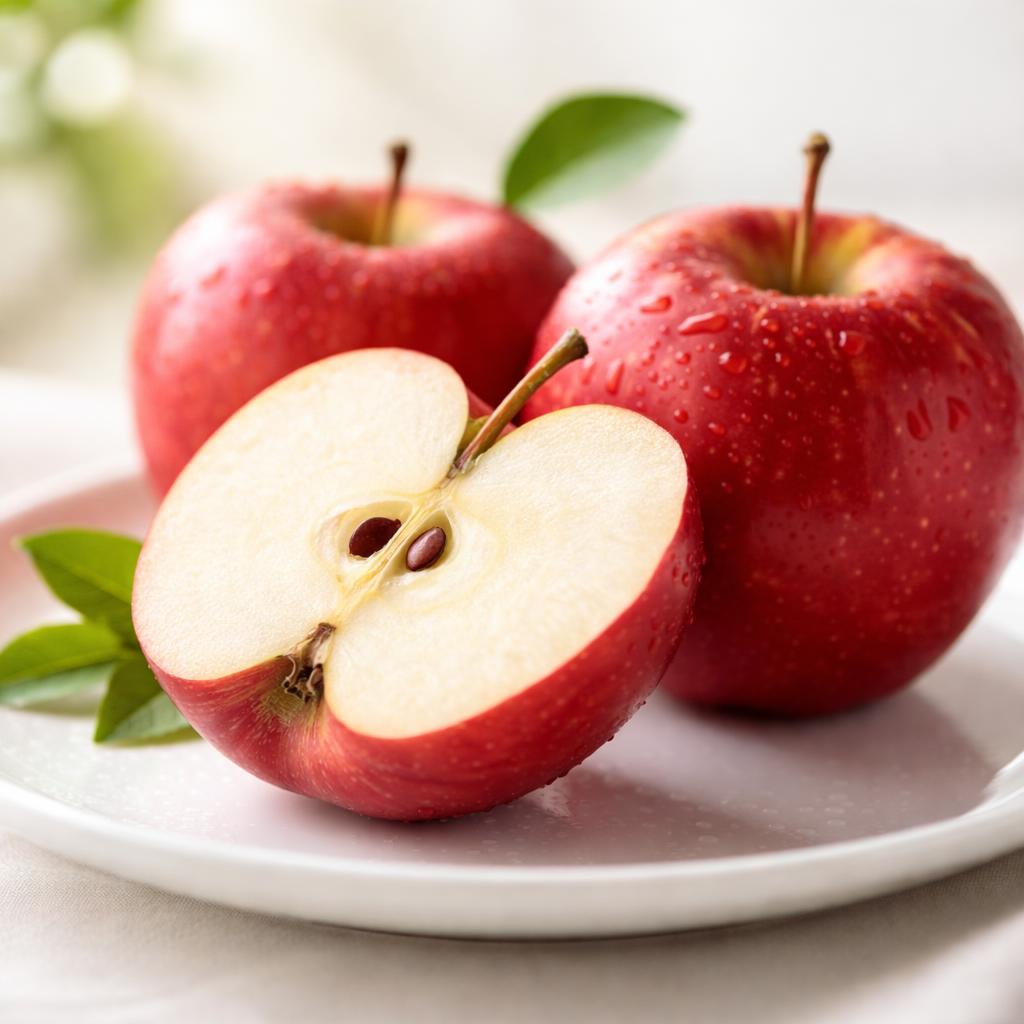
Apple
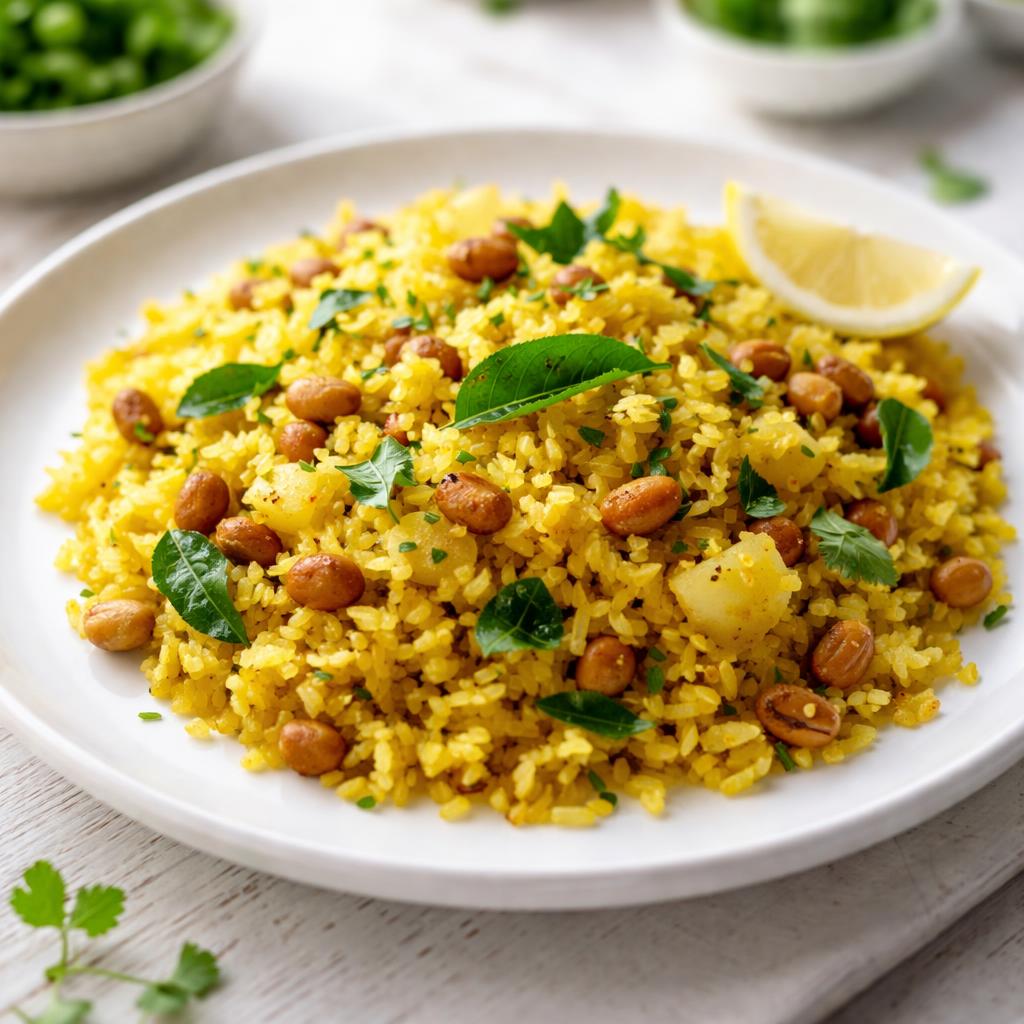
Poha
🎯 Quick Verdict
Apples are lower in calories, higher in fiber, and rich in vitamins, making them ideal for weight management and digestion. Poha, on the other hand, is higher in protein, energy-providing carbs, and iron, making it a better option for a satisfying breakfast or post-workout meal. Both are versatile and suit different dietary goals.

Smart Nutrition Tracking with SnapCalorie

📊 Nutritional Comparison
Macronutrients
| Nutrient | Food 1 | Food 2 | Winner |
|---|---|---|---|
| Calories | 95 | 200 | − |
| Protein | 0.5g | 4g | − |
| Carbs | 25g | 38g | − |
| Fat | 0.3g | 3g | − |
| Fiber | 4g | 1g | − |
Vitamins & Minerals
| Nutrient | Food 1 | Food 2 | Winner |
|---|---|---|---|
| Vitamin C | 8mg | 0mg | − |
| Iron | 0.1mg | 9mg | − |
| Calcium | 6mg | 13mg | − |
🏆 Category Winners
Protein
Poha has 8 times more protein than apple, which is very minimal.
Fiber
Apple provides 4g of fiber per serving compared to poha's 1g.
Calories
Apple has less than half the calories of poha.
🥗 Diet Compatibility
Keto
Food 1: Not Compatible
Food 2: Not Compatible
Both are high in carbohydrates.
Vegan
Food 1: Compatible
Food 2: Compatible
Both are plant-based foods.
Gluten Free
Food 1: Compatible
Food 2: Compatible
Neither food contains gluten naturally.
Paleo
Food 1: Compatible
Food 2: Not Compatible
Apple is allowed in the Paleo diet, but poha is processed and not permitted.
Low-Carb
Food 1: Not Compatible
Food 2: Not Compatible
Both foods have relatively high carb content.
💪 Health Benefits Comparison
Food 1 Benefits
- Rich in fiber to support healthy digestion and regularity
- Contains vitamin C for immune system support
- Low-calorie option for weight management
Food 2 Benefits
- Good source of iron for blood health
- Provides energy through complex carbohydrates
- Easy to digest, making it ideal for sensitive stomachs
✅ The Bottom Line
Choose apples when focusing on weight loss, fiber intake, and vitamins. Choose poha for a satisfying, nutritionally balanced meal with higher protein and energy, especially for breakfast or post-workout refueling.
Choose Food 1 for: Weight management, high fiber diets, snacks
Choose Food 2 for: Breakfasts, post-workout energy, higher iron intake


