Apple VS Persimmon
A detailed nutritional comparison
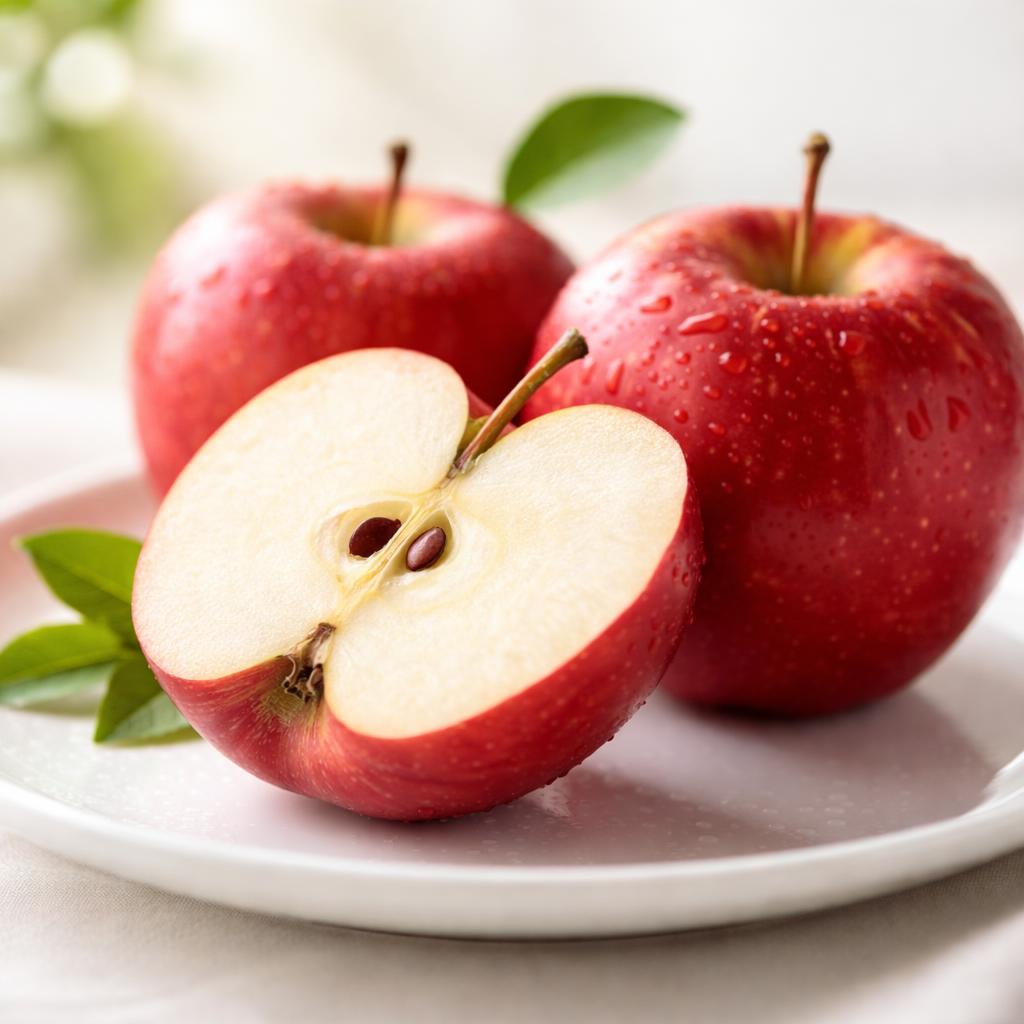
Apple
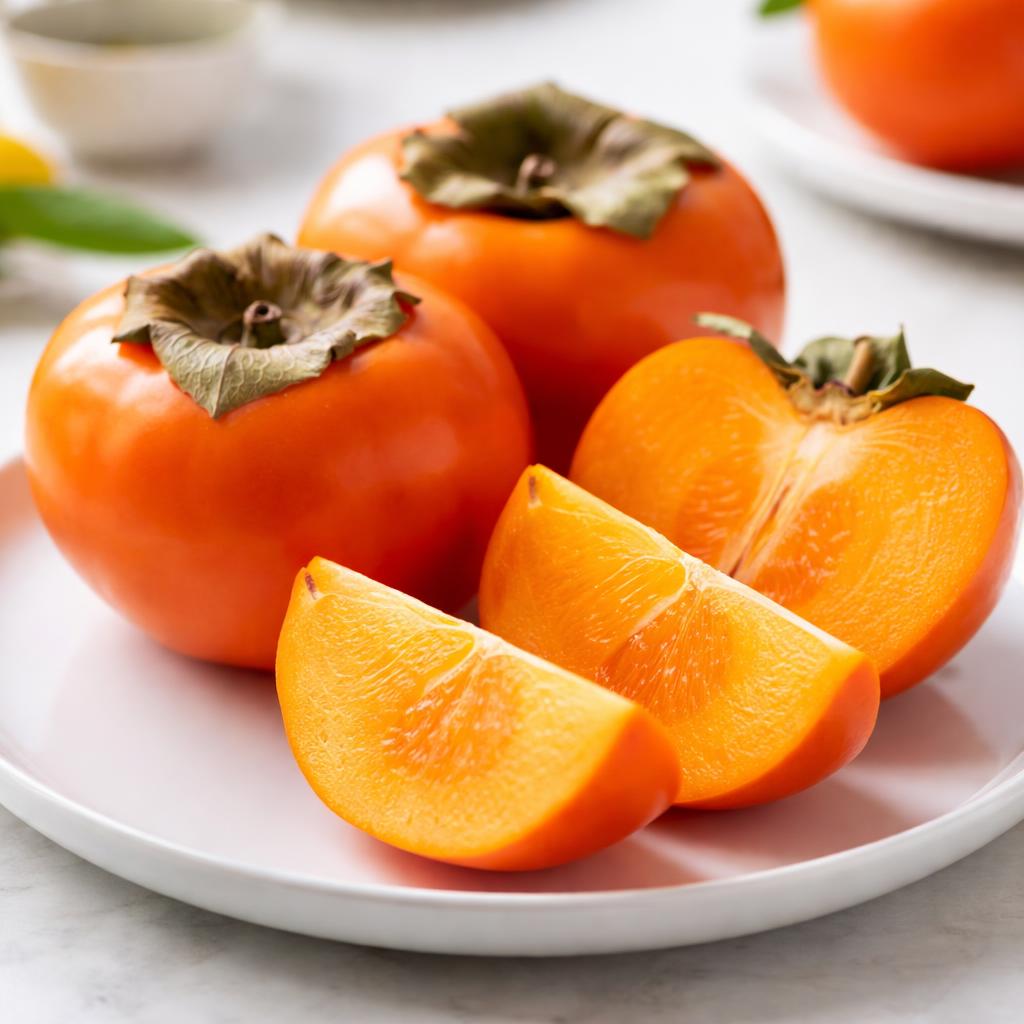
Persimmon
🎯 Quick Verdict
Persimmons contain more fiber and vitamin C and are packed with antioxidants, making them an excellent choice for immunity and heart health. Apples, lower in calories and carbs, are a great option for weight management and everyday snacking. Both are nutritious fruits with distinct benefits depending on dietary goals.

Smart Nutrition Tracking with SnapCalorie

📊 Nutritional Comparison
Macronutrients
| Nutrient | Food 1 | Food 2 | Winner |
|---|---|---|---|
| Calories | 95 | 118 | ✓ |
| Protein | 0.5g | 0.5g | − |
| Carbs | 25g | 31g | ✓ |
| Fat | 0.3g | 0.3g | − |
| Fiber | 4.4g | 6g | ✓ |
Vitamins & Minerals
| Nutrient | Food 1 | Food 2 | Winner |
|---|---|---|---|
| Vitamin C | 8mg | 16mg | ✓ |
| Vitamin A | 3mcg | 81mcg | ✓ |
| Calcium | 11mg | 13mg | ✓ |
| Iron | 0.1mg | 0.2mg | ✓ |
🏆 Category Winners
Protein
Both apple and persimmon provide the same protein levels per serving (0.5g).
Fiber
Persimmon delivers 6g of fiber compared to apple's 4.4g per serving.
Calories
Apple is lower in calories with 95 per medium-sized fruit compared to persimmon's 118.
Vitamins
Persimmon is richer in vitamin C, vitamin A, and other key micronutrients compared to apple.
🥗 Diet Compatibility
Keto
Food 1: Not Compatible
Food 2: Not Compatible
Both are high in carbs, making them unsuitable for keto.
Vegan
Food 1: Compatible
Food 2: Compatible
Both are plant-based fruits suitable for vegan diets.
Gluten Free
Food 1: Compatible
Food 2: Compatible
Neither apple nor persimmon contain gluten.
Paleo
Food 1: Compatible
Food 2: Compatible
Both fruits align with the paleo diet's whole food philosophy.
Low Carb
Food 1: Compatible
Food 2: Less Compatible
Apple has slightly fewer carbs compared to persimmon (25g vs 31g).
💪 Health Benefits Comparison
Food 1 Benefits
- Low in calories, supporting weight management
- Rich in dietary fiber for improved digestion
- Contains antioxidants for cellular protection
- Good source of vitamin C for immune health
Food 2 Benefits
- High in fiber for digestive and heart health
- Rich in vitamin A, supporting vision and skin health
- Twice as much vitamin C as apple for stronger immune function
- Loaded with antioxidants to combat inflammation and oxidative stress
✅ The Bottom Line
Apple is a lower-calorie option with fewer carbs, ideal for weight-conscious snacks and everyday use. Persimmon offers higher fiber and greater nutrient density, making it a standout for immunity, heart health, and antioxidant benefits.
Choose Food 1 for: Low-calorie meals, weight loss, everyday snacking
Choose Food 2 for: Digestive health, enhanced immunity, nutrient-packed snacks


