Apple VS Peaches
A detailed nutritional comparison
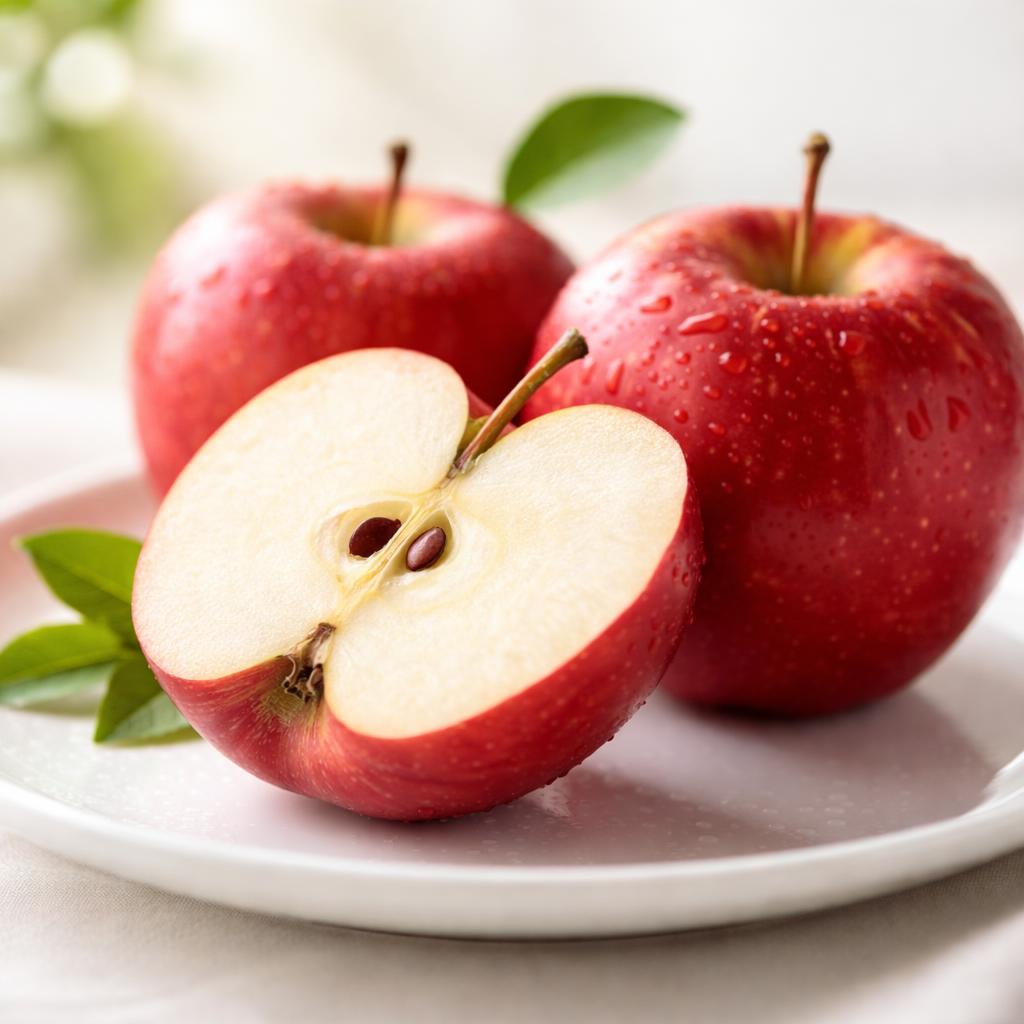
Apple
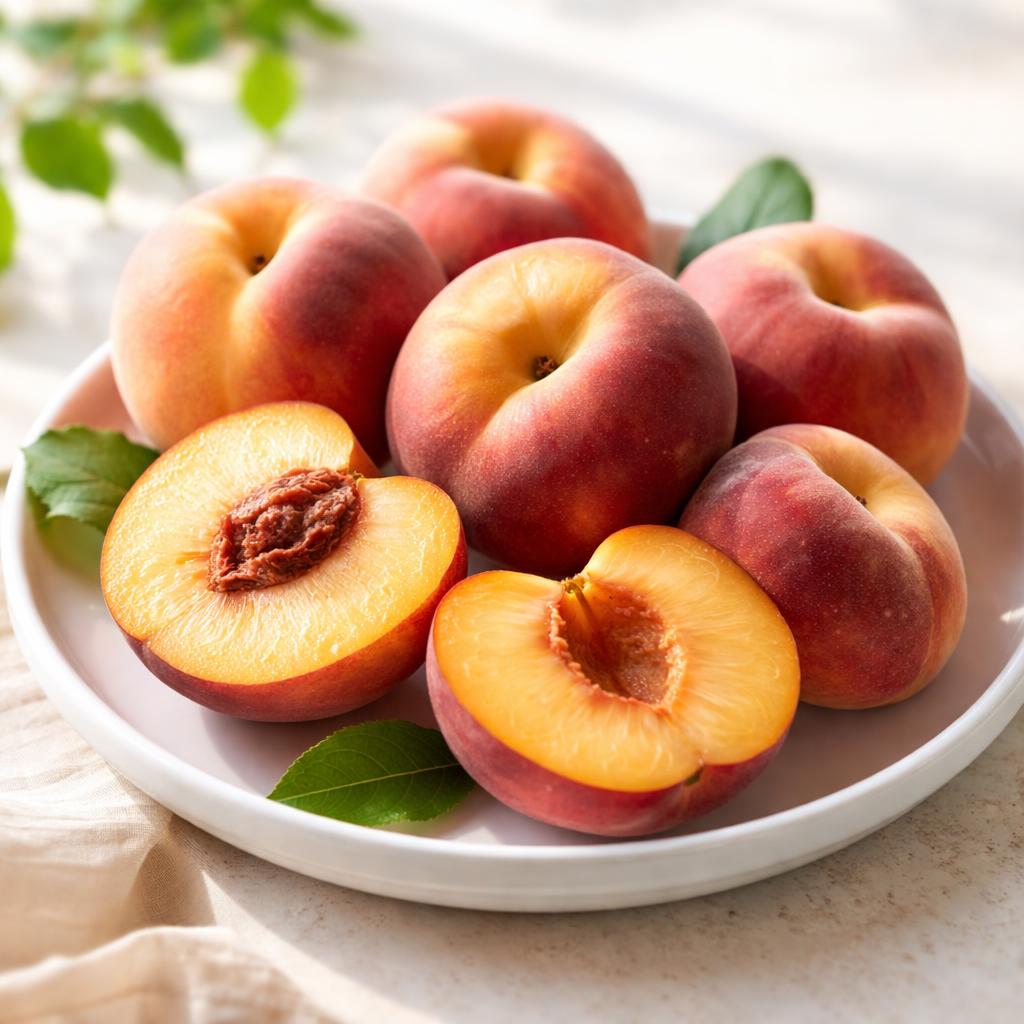
Peaches
🎯 Quick Verdict
Apples and peaches have similar nutrient profiles, with minimal differences in calories, fiber, and sugar. Apples tend to provide slightly higher fiber, making them excellent for digestion, while peaches are lower in calories. Both are refreshing fruits suitable for snacks and are highly compatible with most diets.

Smart Nutrition Tracking with SnapCalorie

📊 Nutritional Comparison
Macronutrients
| Nutrient | Food 1 | Food 2 | Winner |
|---|---|---|---|
| Calories | 52 (per 100g) | 39 (per 100g) | ✓ |
| Protein | 0.3g | 0.9g | − |
| Carbs | 14g | 10g | ✓ |
| Fat | 0.2g | 0.25g | − |
| Fiber | 2.4g | 1.5g | ✓ |
Vitamins & Minerals
| Nutrient | Food 1 | Food 2 | Winner |
|---|---|---|---|
| Vitamin C | 4.6mg | 6.6mg | ✓ |
| Vitamin A | 3mcg | 16mcg | ✓ |
| Potassium | 107mg | 190mg | ✓ |
🏆 Category Winners
Protein
Both provide comparable amounts of protein, which is minimal for both.
Fiber
Apples offer approximately 60% more fiber than peaches, beneficial for digestion.
Calories
Peaches contain fewer calories per 100g.
Vitamins
Peaches have significantly higher levels of Vitamin A, Vitamin C, and potassium.
🥗 Diet Compatibility
Keto
Food 1: Not Compatible
Food 2: Not Compatible
Both are relatively high in carbs.
Vegan
Food 1: Compatible
Food 2: Compatible
Both are plant-based and naturally vegan.
Gluten Free
Food 1: Compatible
Food 2: Compatible
Neither contains gluten.
Paleo
Food 1: Compatible
Food 2: Compatible
Both are fruits and comply with paleo dietary guidelines.
Low-Carb
Food 1: Not Compatible
Food 2: Not Compatible
Both have more than 10g of carbs per 100g, unsuitable for strict low-carb diets.
💪 Health Benefits Comparison
Food 1 Benefits
- High in fiber for improved digestion and gut health
- Contains plant compounds like quercetin for anti-inflammatory effects
- Low calorie snack for weight management
- Supports heart health with beneficial phytochemicals
Food 2 Benefits
- Rich in Vitamins A and C for skin health and immune function
- Provides potassium for electrolyte balance and heart health
- Lower calorie option for those watching their weight
- Contains antioxidants to combat oxidative stress
✅ The Bottom Line
Both apples and peaches are nutrient-rich fruits and are suitable for healthy snacking. Apples may be better for gut health and fiber needs, while peaches excel in calorie control and vitamin content. Choose based on your goals and preferences.
Choose Food 1 for: Digestive health, snack for energy, weight management
Choose Food 2 for: Low-calorie diets, immune support, hydration-focused diets


