Apple VS Peach
A detailed nutritional comparison
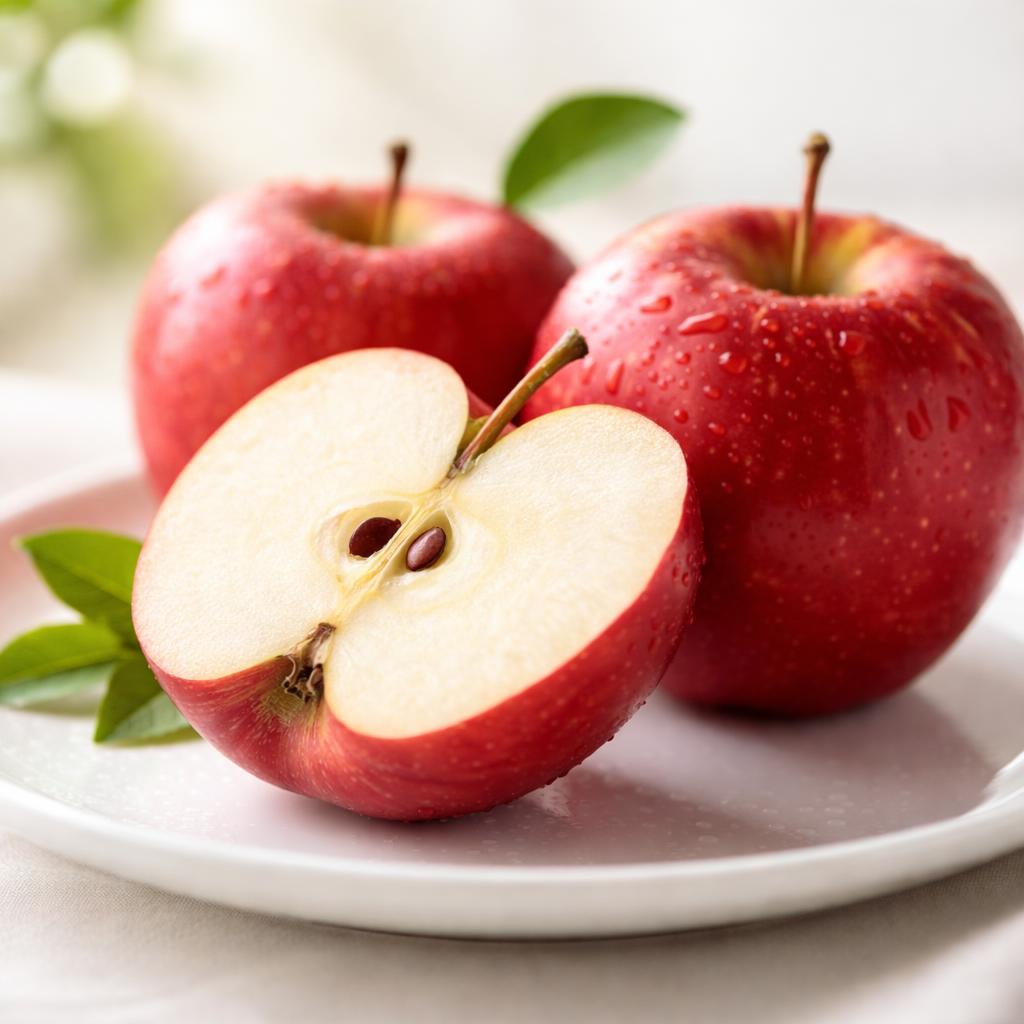
Apple
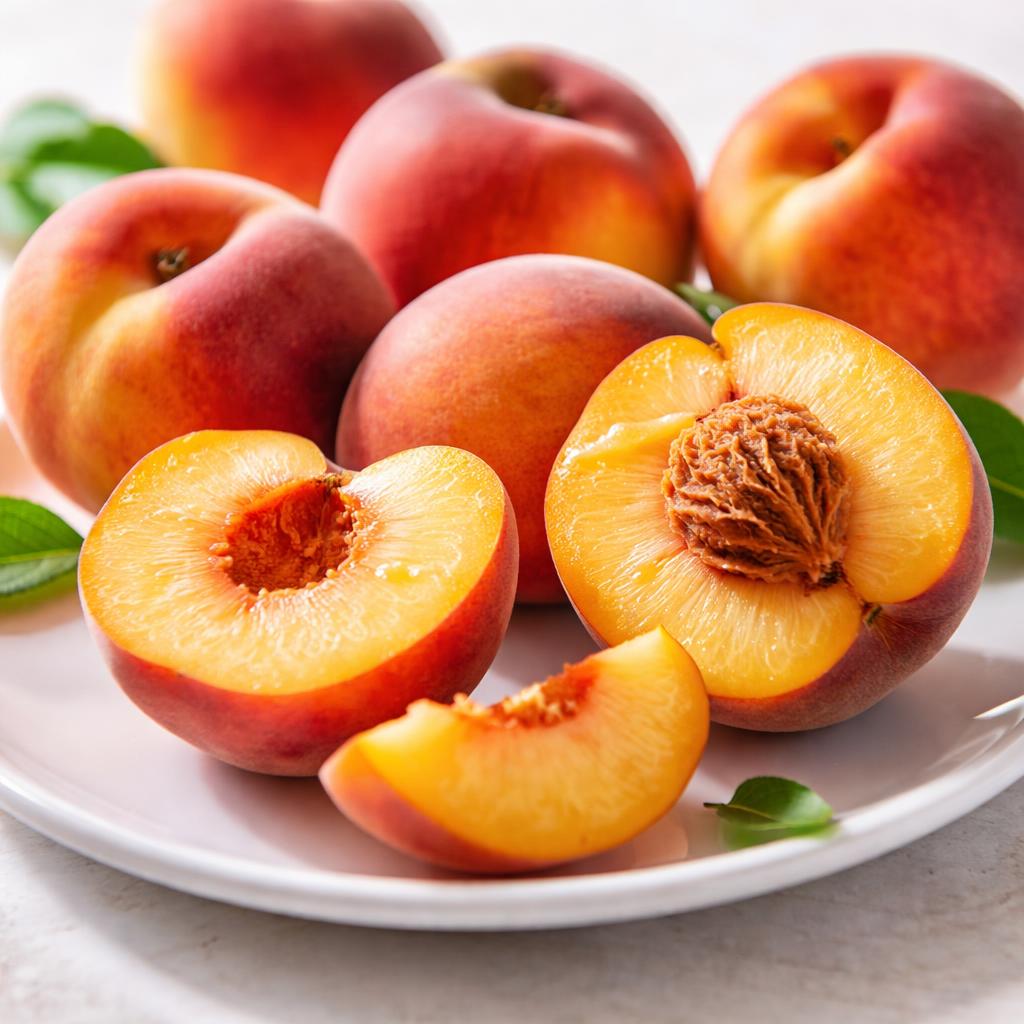
Peach
🎯 Quick Verdict
Apples and peaches are both low-calorie, nutrient-dense fruits, but apples edge out slightly in fiber content, making them better for digestive health. Peaches offer more vitamin C and potassium, which are beneficial for immune function and electrolyte balance. Both fruits are equally versatile but serve slightly different nutritional purposes.

Smart Nutrition Tracking with SnapCalorie

📊 Nutritional Comparison
Macronutrients
| Nutrient | Food 1 | Food 2 | Winner |
|---|---|---|---|
| Calories | 95 | 95 | − |
| Protein | 0.5g | 0.5g | − |
| Carbs | 25g | 24g | ✓ |
| Fat | 0.3g | 0.1g | ✓ |
| Fiber | 4g | 2g | ✓ |
Vitamins & Minerals
| Nutrient | Food 1 | Food 2 | Winner |
|---|---|---|---|
| Vitamin C | 8.4mg | 10mg | ✓ |
| Potassium | 195mg | 260mg | ✓ |
| Vitamin A | 3mcg | 24mcg | ✓ |
🏆 Category Winners
Protein
Both fruits provide negligible protein content.
Fiber
Apples contain 4g of fiber versus 2g in peaches.
Calories
Both fruits are equally low in calories (95 per serving).
Vitamins
Peaches have higher levels of vitamin C, potassium, and vitamin A.
🥗 Diet Compatibility
Keto
Food 1: Not Compatible
Food 2: Not Compatible
Both fruits are too high in carbs for a keto diet (24-25g per serving).
Vegan
Food 1: Compatible
Food 2: Compatible
Both fruits are plant-based and vegan.
Gluten Free
Food 1: Compatible
Food 2: Compatible
Neither fruit contains gluten.
Paleo
Food 1: Compatible
Food 2: Compatible
Both are whole, unprocessed fruits suitable for paleo diets.
Low-Carb
Food 1: Not Compatible
Food 2: Not Compatible
Both fruits are carbohydrate-heavy due to their natural sugars.
💪 Health Benefits Comparison
Food 1 Benefits
- High in fiber, supporting digestive health
- Contains antioxidants to reduce inflammation
- Low-calorie snack option aiding weight management
- Provides a moderate amount of vitamin C for immune health
Food 2 Benefits
- Rich in vitamin C for immune system support
- Good source of potassium for heart and muscle health
- Contains beta-carotene (vitamin A) for eye health
- Low in fat but high in natural sweetness, ideal for dessert applications
✅ The Bottom Line
Choose apples for better digestive support and slightly more fiber. Opt for peaches when seeking higher vitamin C, potassium, and natural sweetness for hydration or as a dessert base. Both fruits are versatile, low-calorie, and nutrient-rich choices for general health.
Choose Food 1 for: Digestive health, weight management, portability
Choose Food 2 for: Immune health, hydration, refreshing sweetness


