Apple VS Onions
A detailed nutritional comparison
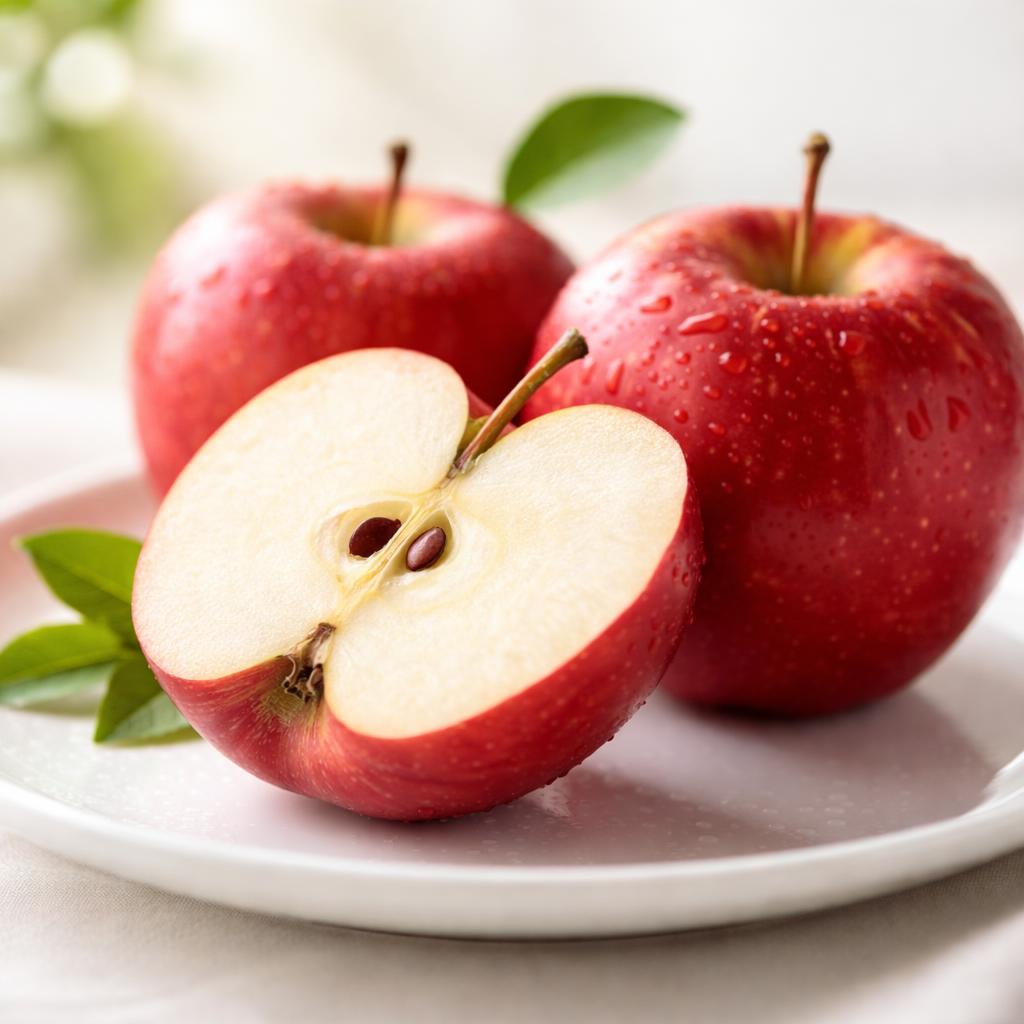
Apple
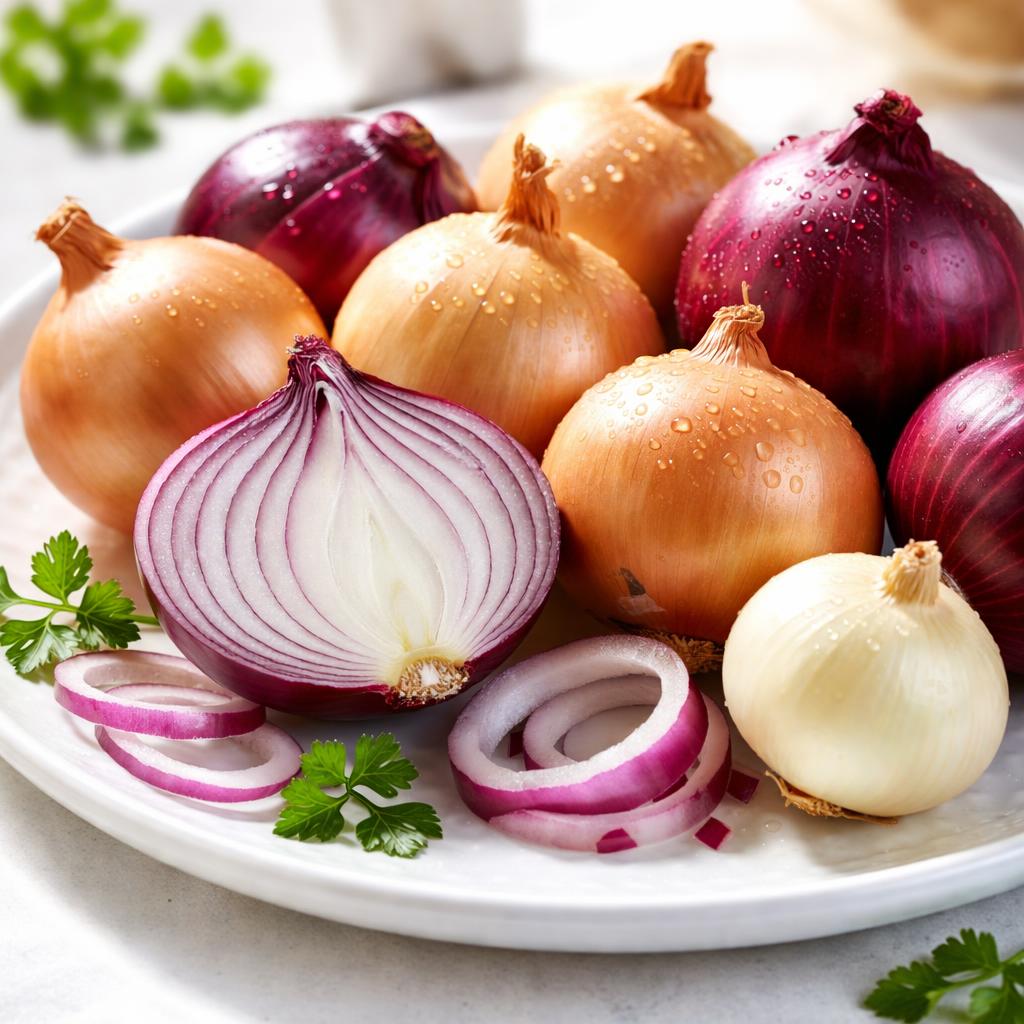
Onions
🎯 Quick Verdict
Apples and onions serve different nutritional roles. Apples are higher in calories and provide natural sugars for energy, along with vitamin C. Onions are lower in calories, higher in fiber, and contain slightly more protein, making them ideal for weight management and digestion. Both are versatile and add unique flavors to meals.

Smart Nutrition Tracking with SnapCalorie

📊 Nutritional Comparison
Macronutrients
| Nutrient | Food 1 | Food 2 | Winner |
|---|---|---|---|
| Calories | 95 | 40 | ✓ |
| Protein | 0.5g | 1g | ✓ |
| Carbs | 25g | 9g | ✓ |
| Fat | 0.3g | 0.1g | ✓ |
| Fiber | 4g | 1.7g | ✓ |
Vitamins & Minerals
| Nutrient | Food 1 | Food 2 | Winner |
|---|---|---|---|
| Vitamin C | 8.4mg | 5mg | ✓ |
| Vitamin B6 | 0.1mg | 0.1mg | − |
| Potassium | 195mg | 146mg | ✓ |
| Calcium | 11mg | 23mg | ✓ |
🏆 Category Winners
Protein
Onions have twice as much protein per serving as apples.
Fiber
Apples contain over double the fiber compared to onions.
Calories
Onions have less than half the calories of apples.
Vitamins
Apples excel in vitamin C and potassium, while onions provide more calcium.
🥗 Diet Compatibility
Keto
Food 1: Not Compatible
Food 2: Compatible
Onions are lower in carbs, making them suitable for keto diets.
Vegan
Food 1: Compatible
Food 2: Compatible
Both foods are plant-based and vegan-friendly.
Gluten Free
Food 1: Compatible
Food 2: Compatible
Neither contains gluten.
Paleo
Food 1: Compatible
Food 2: Compatible
Both foods are acceptable in paleo diets.
Low Carb
Food 1: Not Compatible
Food 2: Compatible
Onions are lower in carbs and thus better for low-carb diets.
💪 Health Benefits Comparison
Food 1 Benefits
- High in dietary fiber for digestion
- Rich in vitamin C to support immune health
- Provides natural sugars for quick energy
- Contains antioxidants for cellular repair
Food 2 Benefits
- Low in calories for weight management
- Rich in prebiotics to support gut health
- Contains sulfur compounds for heart health
- Offers small amounts of calcium for bone strength
✅ The Bottom Line
Apples are better suited for snacks, providing fiber and quick energy, while onions shine as a low-calorie, low-carb food that promotes gut health and adds flavor to cooked dishes. Choose apples when you need a portable, nutrient-rich snack and onions for cooking and improving digestion.
Choose Food 1 for: Snacks, energy boost, immune support, fiber intake
Choose Food 2 for: Weight loss, digestion, adding flavor without extra calories


