Apple VS Oat
A detailed nutritional comparison
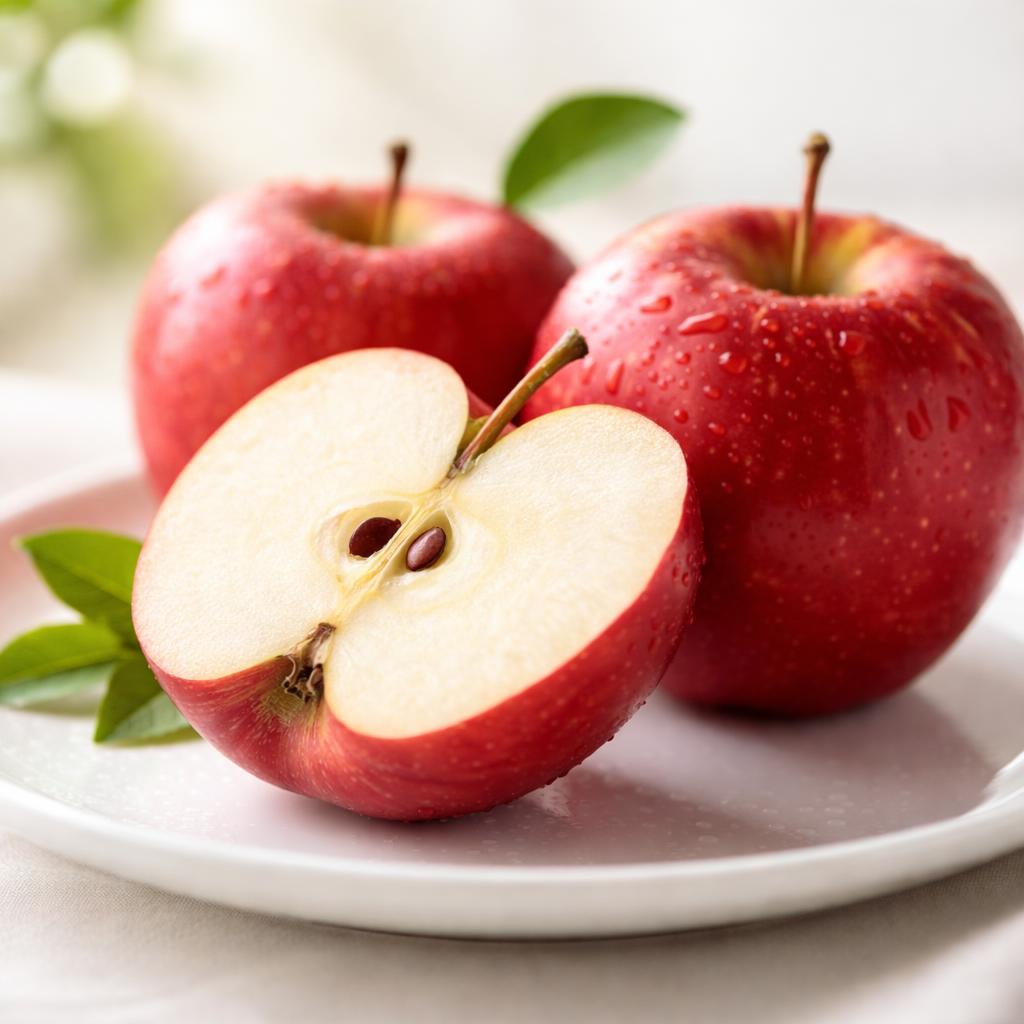
Apple
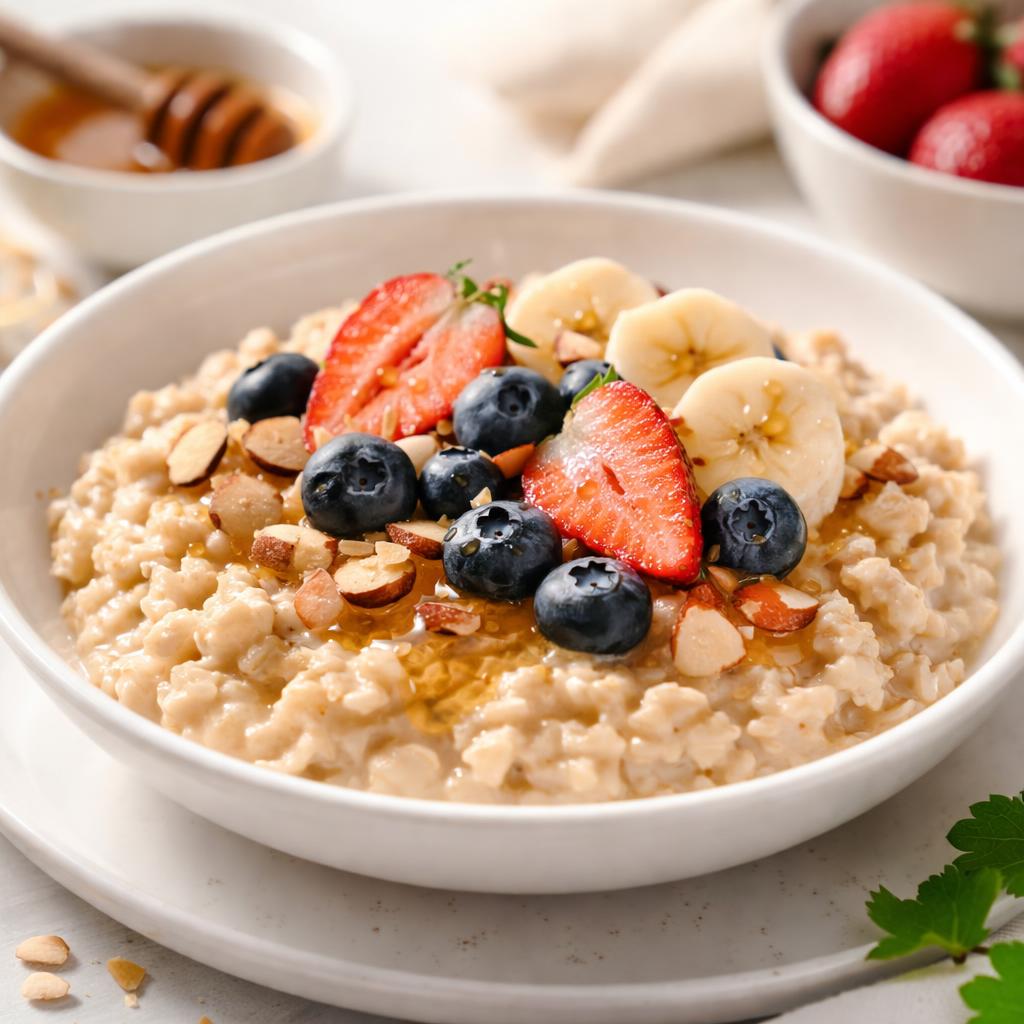
Oat
🎯 Quick Verdict
Apples are lower in calories and provide a good source of vitamin C, making them ideal for weight management and boosting immunity. Oats, on the other hand, are significantly higher in protein and fiber, making them more efficient for muscle repair, sustained energy, and gastrointestinal health. Both are healthy, but their use depends on individual dietary goals.

Smart Nutrition Tracking with SnapCalorie

📊 Nutritional Comparison
Macronutrients
| Nutrient | Food 1 | Food 2 | Winner |
|---|---|---|---|
| Calories | 95 | 154 (per ½ cup cooked) | ✓ |
| Protein | 0.5g | 5.5g | ✓ |
| Carbs | 25g | 27g | ✓ |
| Fat | 0.3g | 2.5g | ✓ |
| Fiber | 4.4g | 4g | ✓ |
Vitamins & Minerals
| Nutrient | Food 1 | Food 2 | Winner |
|---|---|---|---|
| Vitamin C | 8.4mg | 0mg | ✓ |
| Calcium | 10mg | 21mg | ✓ |
| Iron | 0.2mg | 1.7mg | ✓ |
🏆 Category Winners
Protein
Oats provide 11x more protein than apples.
Fiber
Both foods offer around 4g of fiber per serving.
Calories
Apples are 38% lower in calories compared to oats.
Vitamins
Apples are high in vitamin C, which oats lack.
🥗 Diet Compatibility
Keto
Food 1: Not Compatible
Food 2: Not Compatible
Both foods are carb-heavy and unsuitable for keto diets.
Vegan
Food 1: Compatible
Food 2: Compatible
Both foods are plant-based and naturally vegan.
Gluten Free
Food 1: Compatible
Food 2: Compatible (if certified GF)
Apples are naturally gluten-free, and oats are gluten-free if certified.
Paleo
Food 1: Compatible
Food 2: Not Compatible
Apples fit into paleo diets, but oats are excluded.
Low-Carb
Food 1: Not Compatible
Food 2: Not Compatible
Both foods contain over 20g of carbs per serving, making them unsuitable for low-carb diets.
💪 Health Benefits Comparison
Food 1 Benefits
- Rich in vitamin C to boost immunity.
- Low in calories, supporting weight management.
- Good source of dietary fiber for digestion.
- Contains antioxidants for cellular health.
Food 2 Benefits
- Excellent source of fiber for gut health.
- High in protein to aid muscle repair and growth.
- Provides complex carbohydrates for sustained energy.
- Rich in minerals like iron and magnesium for overall health.
✅ The Bottom Line
Apples and oats are both nutritious options with distinct benefits. Choose apples if you're focused on weight loss, immunity, or a quick snack. Opt for oats if you need a protein and fiber-packed meal for sustained energy and gut health.
Choose Food 1 for: Weight management, immunity boost, quick snack
Choose Food 2 for: Muscle repair, sustained energy, digestive health


