Apple VS Mixed Greens Salad
A detailed nutritional comparison
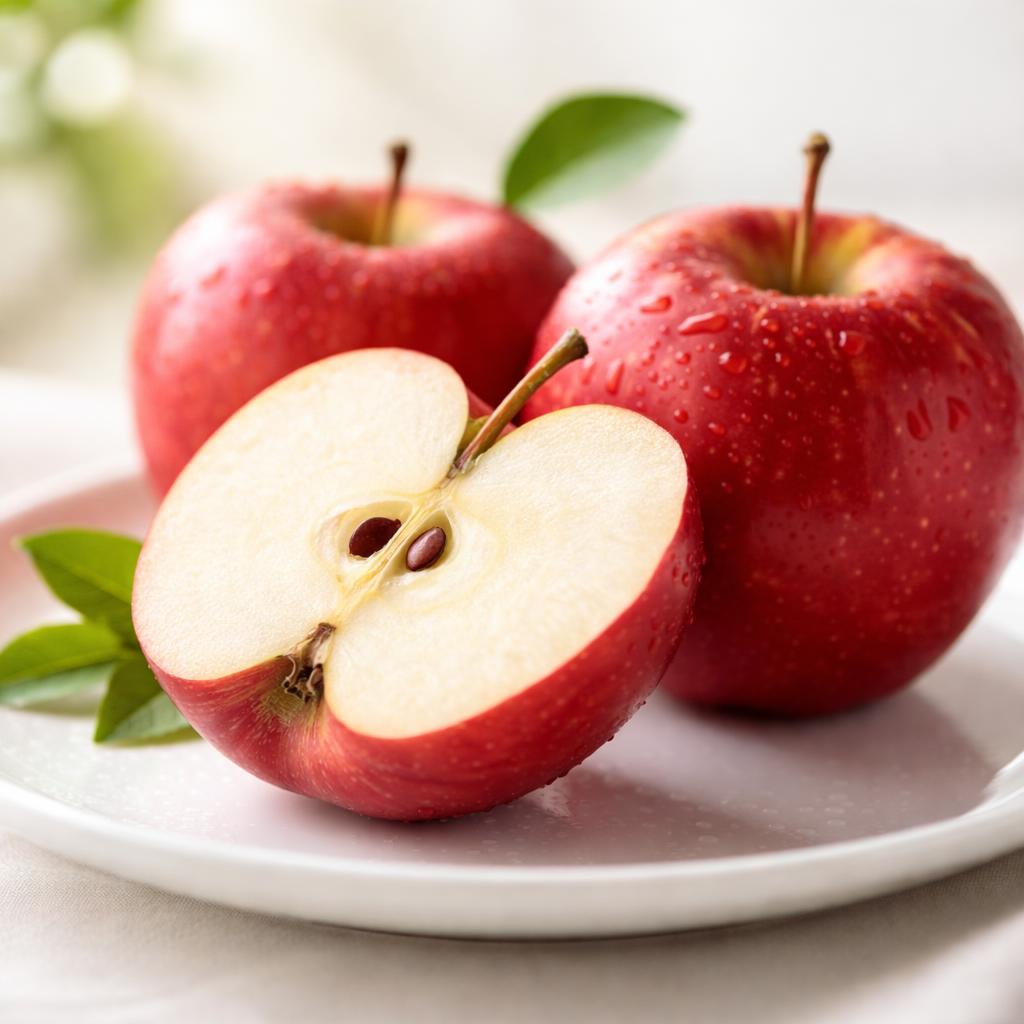
Apple
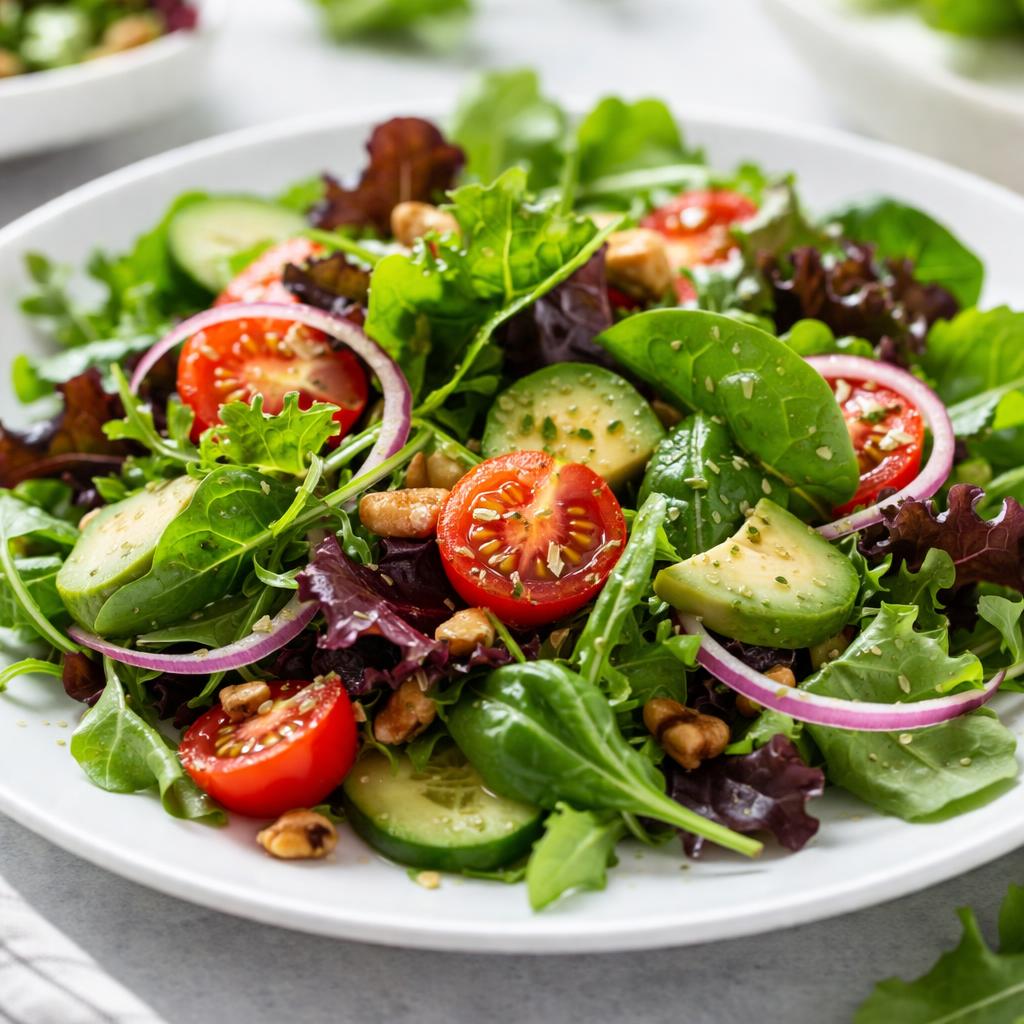
Mixed Greens Salad
🎯 Quick Verdict
Mixed greens salad provides more protein and fiber per serving than an apple, while both are equally low in calories. Apples, however, are rich in natural sugars and vitamin C, making them ideal for quick energy boosts. Mixed greens are better suited for filling, nutrient-dense meals that support digestive health and overall nutrition balance.

Smart Nutrition Tracking with SnapCalorie

📊 Nutritional Comparison
Macronutrients
| Nutrient | Food 1 | Food 2 | Winner |
|---|---|---|---|
| Calories | 95 | 90 | − |
| Protein | 0.5g | 2g | ✓ |
| Carbs | 25g | 4g | ✓ |
| Fat | 0g | 0.2g | ✓ |
| Fiber | 4g | 5g | ✓ |
Vitamins & Minerals
| Nutrient | Food 1 | Food 2 | Winner |
|---|---|---|---|
| Vitamin C | 8mg | 14mg | ✓ |
| Vitamin K | 2mcg | 85mcg | ✓ |
| Folate | 5mcg | 40mcg | ✓ |
🏆 Category Winners
Protein
Mixed greens salad has 300% more protein per serving than apple.
Fiber
Mixed greens salad provides 1 gram more fiber than apple.
Calories
Both foods are similarly low in calories, under 100 per serving.
Vitamins
Mixed greens salad dominates in Vitamin K and Folate levels, vital for nutrient density.
🥗 Diet Compatibility
Keto
Food 1: Not Compatible
Food 2: Compatible
Mixed greens are low-carb (4g per serving), unlike apple.
Vegan
Food 1: Compatible
Food 2: Compatible
Both foods are plant-based and vegan-friendly.
Gluten Free
Food 1: Compatible
Food 2: Compatible
Neither food contains gluten.
Paleo
Food 1: Compatible
Food 2: Compatible
Both foods align with paleo guidelines.
Low Carb
Food 1: Not Compatible
Food 2: Compatible
Mixed greens are significantly lower in carbohydrates than apple.
💪 Health Benefits Comparison
Food 1 Benefits
- Rich in natural sugars for quick energy boosts
- Good source of dietary fiber aiding digestion
- Contains Vitamin C for immune system support
- Low calorie, ideal for weight control snacks
Food 2 Benefits
- High in Vitamin K for bone and heart health
- Good source of fiber for improved digestion
- Contains folate, supporting cellular health
- Rich in antioxidants to help combat oxidative stress
✅ The Bottom Line
While apples are best for a quick energy boost and on-the-go snacking, mixed greens salad is the superior choice for nutrient-dense meals, especially for those on low-carb diets or needing protein and vitamin K. Both are healthy options, but their use cases differ significantly.
Choose Food 1 for: Quick snack, energy boost, digestion support
Choose Food 2 for: Meal base, nutrient density, low-carb diets


