Apple VS Kale Salad
A detailed nutritional comparison
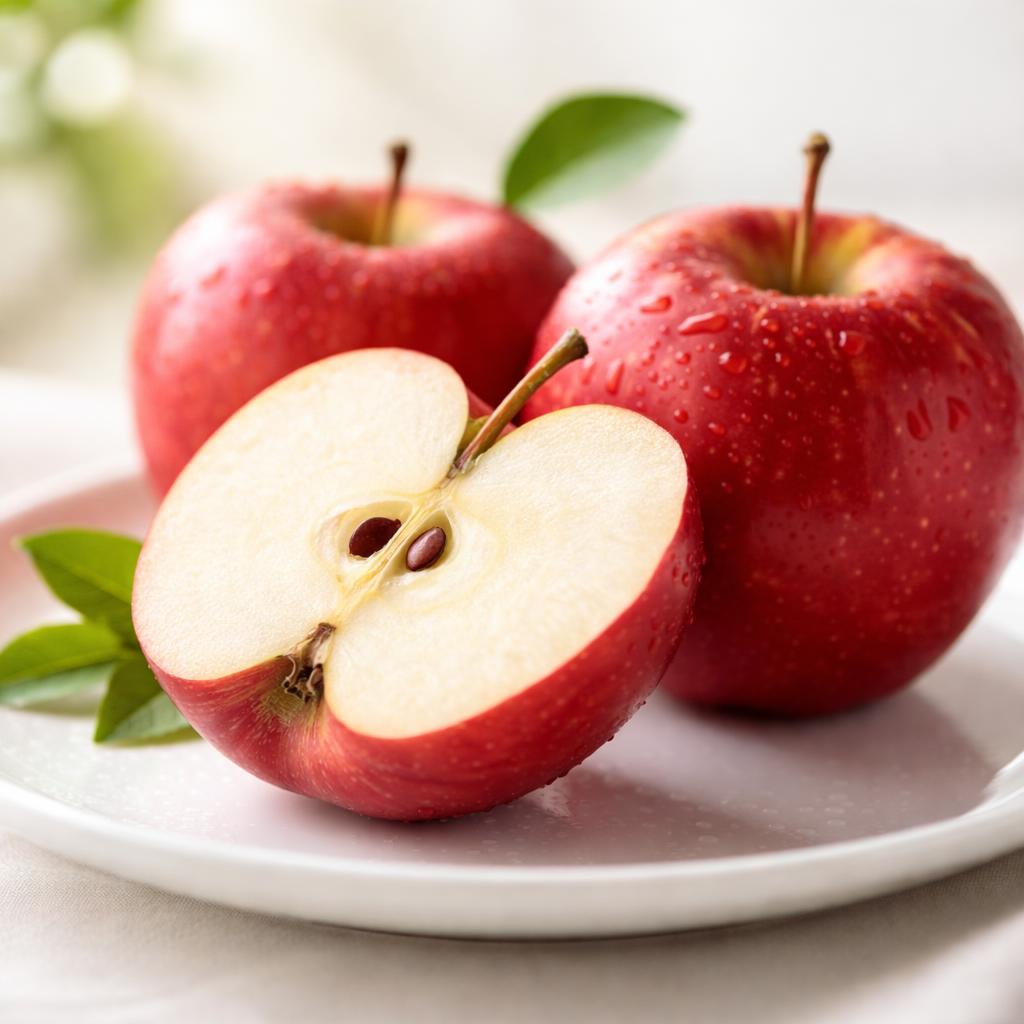
Apple
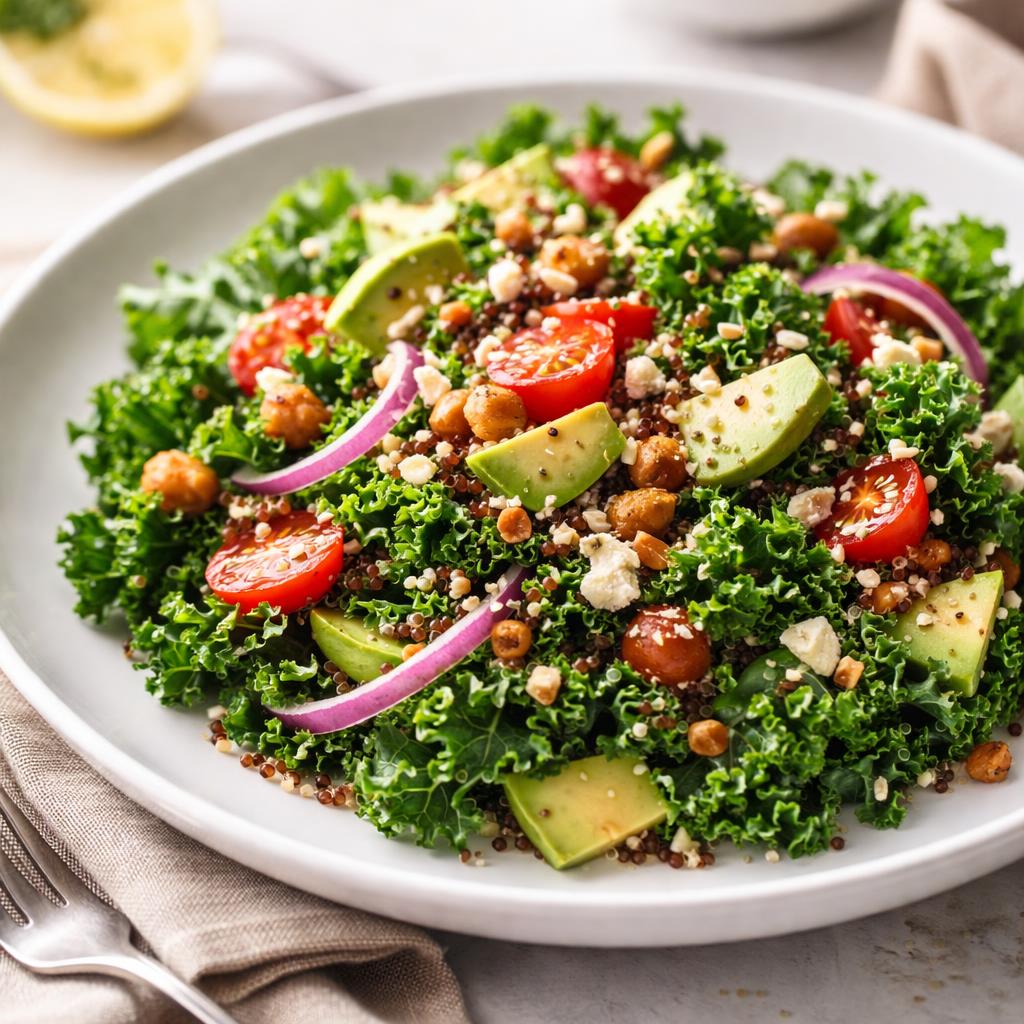
Kale Salad
🎯 Quick Verdict
Kale salad is nutritionally superior to an apple in key categories like protein and fiber, which are critical for satiety and digestion. Apples, however, are lower in calories, making them ideal for snacking and weight management. Kale salad is better suited for more nutrient-dense meals or as part of a balanced diet.

Smart Nutrition Tracking with SnapCalorie

📊 Nutritional Comparison
Macronutrients
| Nutrient | Food 1 | Food 2 | Winner |
|---|---|---|---|
| Calories | 95 | 150 | ✓ |
| Protein | 0.5g | 5g | ✓ |
| Carbs | 25g | 10g | ✓ |
| Fat | 0.3g | 7g | ✓ |
| Fiber | 4g | 8g | ✓ |
Vitamins & Minerals
| Nutrient | Food 1 | Food 2 | Winner |
|---|---|---|---|
| Vitamin C | 8mg | 80mg | ✓ |
| Vitamin A | 2mcg | 1500mcg | ✓ |
| Calcium | 11mg | 150mg | ✓ |
| Iron | 0.2mg | 2mg | ✓ |
🏆 Category Winners
Protein
Kale salad has significantly more protein (5g vs 0.5g per serving).
Fiber
Kale salad contains twice as much fiber, supporting digestion and satiety.
Calories
Apples are lower in calories (95 vs 150 per serving), suitable for calorie-conscious diets.
Vitamins
Kale salad is far richer in Vitamins A, C, calcium, and iron, supporting overall health.
🥗 Diet Compatibility
Keto
Food 1: Not Compatible
Food 2: Compatible
Kale salad is low-carb, whereas apples are high in carbohydrates.
Vegan
Food 1: Compatible
Food 2: Compatible
Both are plant-based and ideal for vegan diets.
Gluten Free
Food 1: Compatible
Food 2: Compatible
Neither contains gluten, serving gluten-free diets well.
Paleo
Food 1: Compatible
Food 2: Compatible
Both fit the paleo diet, focusing on natural, whole foods.
Low-Carb
Food 1: Not Compatible
Food 2: Compatible
Kale salad's lower carbohydrate content aligns better with low-carb diets.
💪 Health Benefits Comparison
Food 1 Benefits
- Provides natural sugar for a quick energy boost
- Rich in antioxidants for cellular health
- Supports hydration with high water content
- Good fiber source for digestive health
Food 2 Benefits
- Rich in vitamins, including A, C, and K, supporting immunity and bone health
- High fiber content aids digestion and promotes fullness
- Contains healthy fats when olive oil dressing is added, supporting heart health
- Provides significant protein for muscle repair
✅ The Bottom Line
Choose apples as a lower-calorie, convenient snack or energy boost. Opt for kale salad when you need a nutrient-dense, fiber-rich portion as part of a balanced meal. Kale salad provides more protein and vitamins, making it better for meals requiring sustenance and micronutrient density.
Choose Food 1 for: Snacking, weight loss, quick energy boosts
Choose Food 2 for: Balanced meals, fiber-rich diets, nutrient density


