Apple VS Honey Crisp Apple
A detailed nutritional comparison
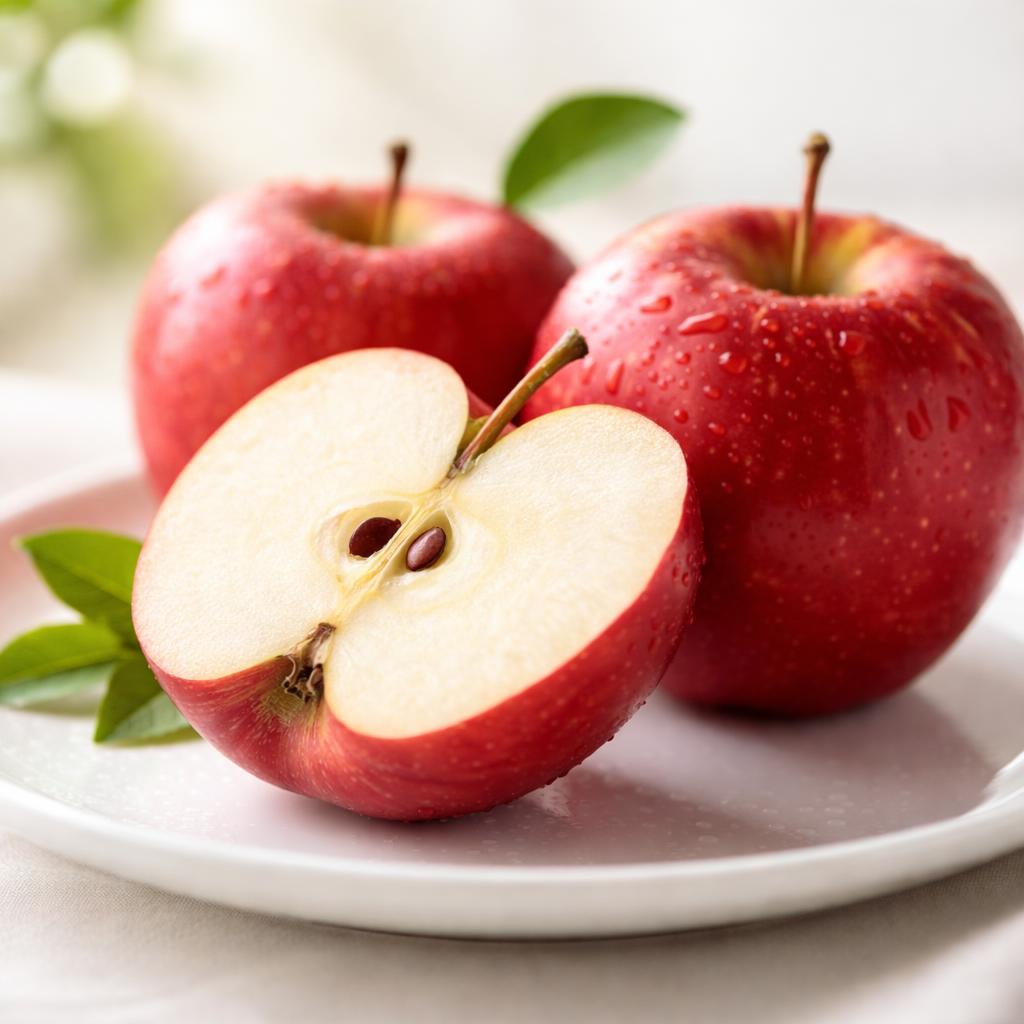
Apple
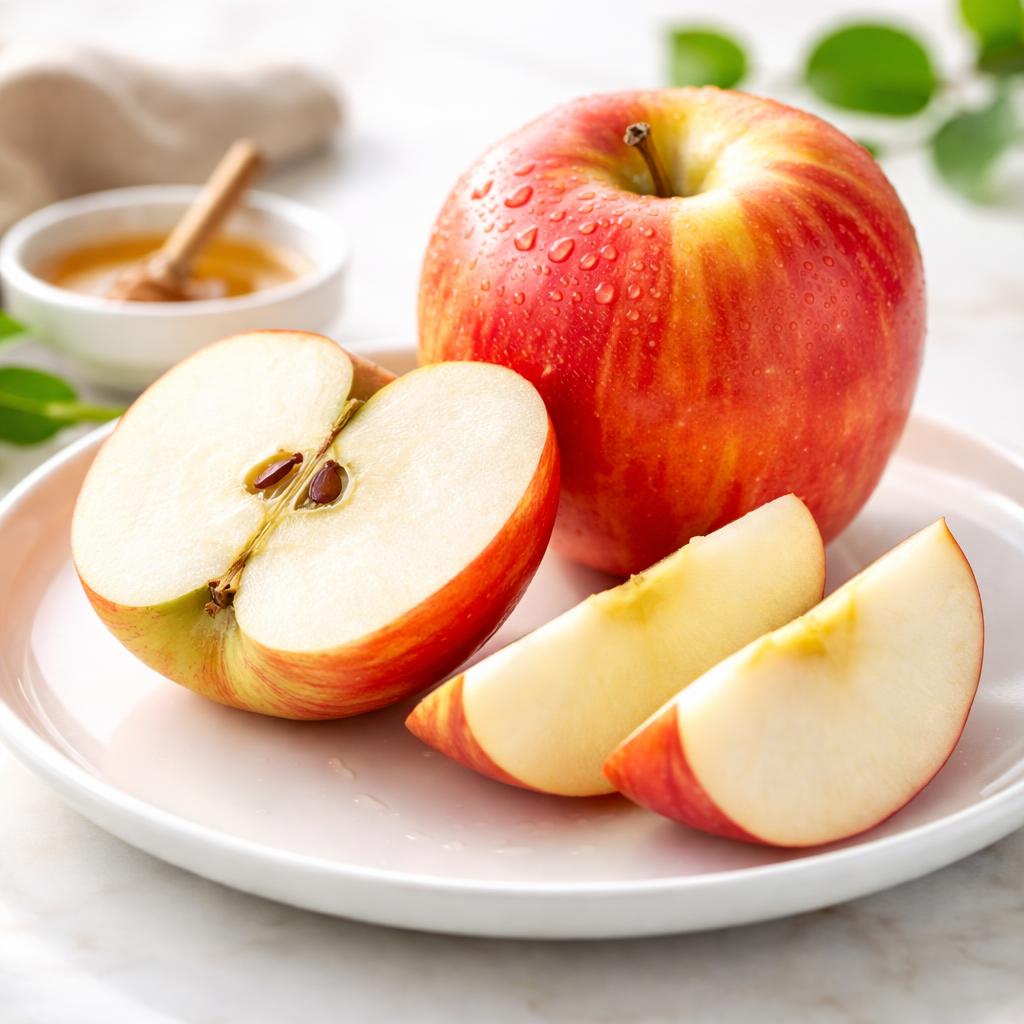
Honey Crisp Apple
🎯 Quick Verdict
Both apples and honey crisp apples are nutritionally similar, offering comparable calories, fiber, and protein. Honey crisp apples may have a slightly sweeter taste and are ideal for snacking, while regular apples are versatile for a variety of dishes or juicing purposes.

Smart Nutrition Tracking with SnapCalorie

📊 Nutritional Comparison
Macronutrients
| Nutrient | Food 1 | Food 2 | Winner |
|---|---|---|---|
| Calories | 95 | 80 | ✓ |
| Protein | 0.5g | 0.5g | − |
| Carbs | 25g | 22g | ✓ |
| Fat | 0.3g | 0.1g | ✓ |
| Fiber | 4g | 4g | − |
Vitamins & Minerals
| Nutrient | Food 1 | Food 2 | Winner |
|---|---|---|---|
| Vitamin C | 8.4mg | 8mg | ✓ |
| Vitamin A | 3mcg | 3mcg | − |
| Calcium | 11mg | 6mg | ✓ |
| Iron | 0.2mg | 0.15mg | ✓ |
🏆 Category Winners
Protein
Both apples and honey crisp apples provide the same minimal protein content (0.5g per serving).
Fiber
Both contain identical amounts of fiber (4g per serving), supporting healthy digestion.
Calories
Honey crisp apples have slightly fewer calories per serving (80 vs 95).
Vitamins
Regular apples have slightly higher amounts of Vitamin C, Calcium, and Iron, making them more nutrient-dense in micronutrients.
🥗 Diet Compatibility
Keto
Food 1: Not Compatible
Food 2: Not Compatible
Both apples are high-carb fruits with ~22-25g carbs per serving.
Vegan
Food 1: Compatible
Food 2: Compatible
Both are plant-based and suitable for vegan diets.
Gluten Free
Food 1: Compatible
Food 2: Compatible
Naturally gluten-free.
Paleo
Food 1: Compatible
Food 2: Compatible
Both fit a paleo diet as whole, unprocessed foods.
Low Carb
Food 1: Not Compatible
Food 2: Not Compatible
Carb content exceeds typical low-carb diet thresholds.
💪 Health Benefits Comparison
Food 1 Benefits
- Rich in fiber to promote digestion
- Provides Vitamin C for immune health
- Contains antioxidants to reduce oxidative stress
- Low calories for weight management
Food 2 Benefits
- High in water content for hydration
- Sweet flavor makes it ideal for healthy snacking
- Provides dietary fiber for gut health
- Contains antioxidants for overall health
✅ The Bottom Line
Apples and honey crisp apples are nutritionally very similar. Honey crisp apples are better for those seeking fewer calories and a sweeter taste, while regular apples offer slightly more vitamins, making them ideal for balanced nutrition. Both are excellent choices for quick snacks or diet-friendly options.
Choose Food 1 for: Balanced nutrition, immune support, baking
Choose Food 2 for: Low-calorie snacking, hydration, sweetness preference


