Apple VS Half And Half
A detailed nutritional comparison
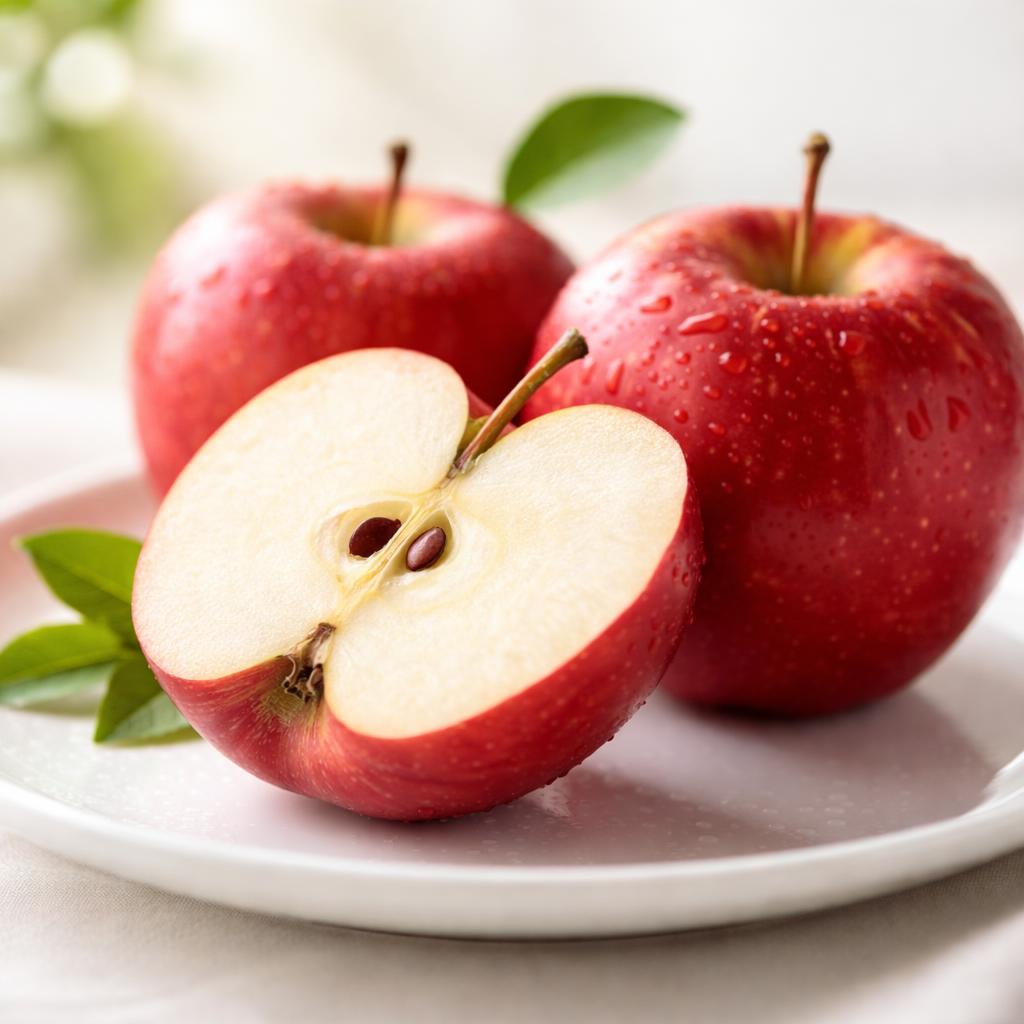
Apple
Half And Half
🎯 Quick Verdict
Apples are a nutrient-dense fruit rich in fiber and low in calories, making them an excellent choice for weight management and digestion. Half and half is high in fat and protein but lacks fiber and vitamins, making it better suited for those looking to increase fat and protein for keto or low-carb diets. Each serves distinct dietary purposes depending on your goals.

Smart Nutrition Tracking with SnapCalorie

📊 Nutritional Comparison
Macronutrients
| Nutrient | Food 1 | Food 2 | Winner |
|---|---|---|---|
| Calories | 95 | 160 | ✓ |
| Protein | 0.5g | 2g | ✓ |
| Carbs | 25g | 1g | ✓ |
| Fat | 0.3g | 14g | ✓ |
| Fiber | 4g | 0g | ✓ |
Vitamins & Minerals
| Nutrient | Food 1 | Food 2 | Winner |
|---|---|---|---|
| Vitamin C | 8.4mg | 0mg | ✓ |
| Calcium | 11mg | 130mg | ✓ |
| Iron | 0.2mg | 0mg | ✓ |
🏆 Category Winners
Protein
Half and half contains 4 times more protein than an apple per serving.
Fiber
Apples are high in fiber (4g per serving), while half and half has no fiber.
Calories
Apples have 40% fewer calories than half and half per serving.
Vitamins
Apples provide vitamins like vitamin C and iron, which half and half lacks.
🥗 Diet Compatibility
Keto
Food 1: Not Compatible
Food 2: Compatible
Half and half is high-fat and low-carb, ideal for keto diets.
Vegan
Food 1: Compatible
Food 2: Not Compatible
Apples are plant-based, while half and half is a dairy product.
Gluten Free
Food 1: Compatible
Food 2: Compatible
Neither food contains gluten.
Paleo
Food 1: Compatible
Food 2: Not Compatible
Apples align with paleo diets, but half and half is not allowed on paleo.
Low Carb
Food 1: Not Compatible
Food 2: Compatible
Half and half has only 1g of carbs vs 25g in an apple.
💪 Health Benefits Comparison
Food 1 Benefits
- Rich in dietary fiber for healthy digestion
- Low in calories for weight management
- Contains vitamin C to support immune function
- Offers antioxidants to reduce inflammation
Food 2 Benefits
- Good source of healthy fats for energy and satiety
- Provides calcium for strong bones
- Low-carb and high-fat, suitable for keto diets
- Includes small amounts of protein for muscle maintenance
✅ The Bottom Line
Apples are best for weight management, digestion, and general health. Half and half is ideal for keto or low-carb diets that require more fat and protein. Choose apples as a snack or fiber-rich food, and use half and half as an ingredient for creamy, high-fat recipes.
Choose Food 1 for: Weight loss, digestion, immune health, plant-based diets
Choose Food 2 for: Keto and low-carb diets, energy-rich recipes, calcium supplementation


