Apple VS Grapes
A detailed nutritional comparison
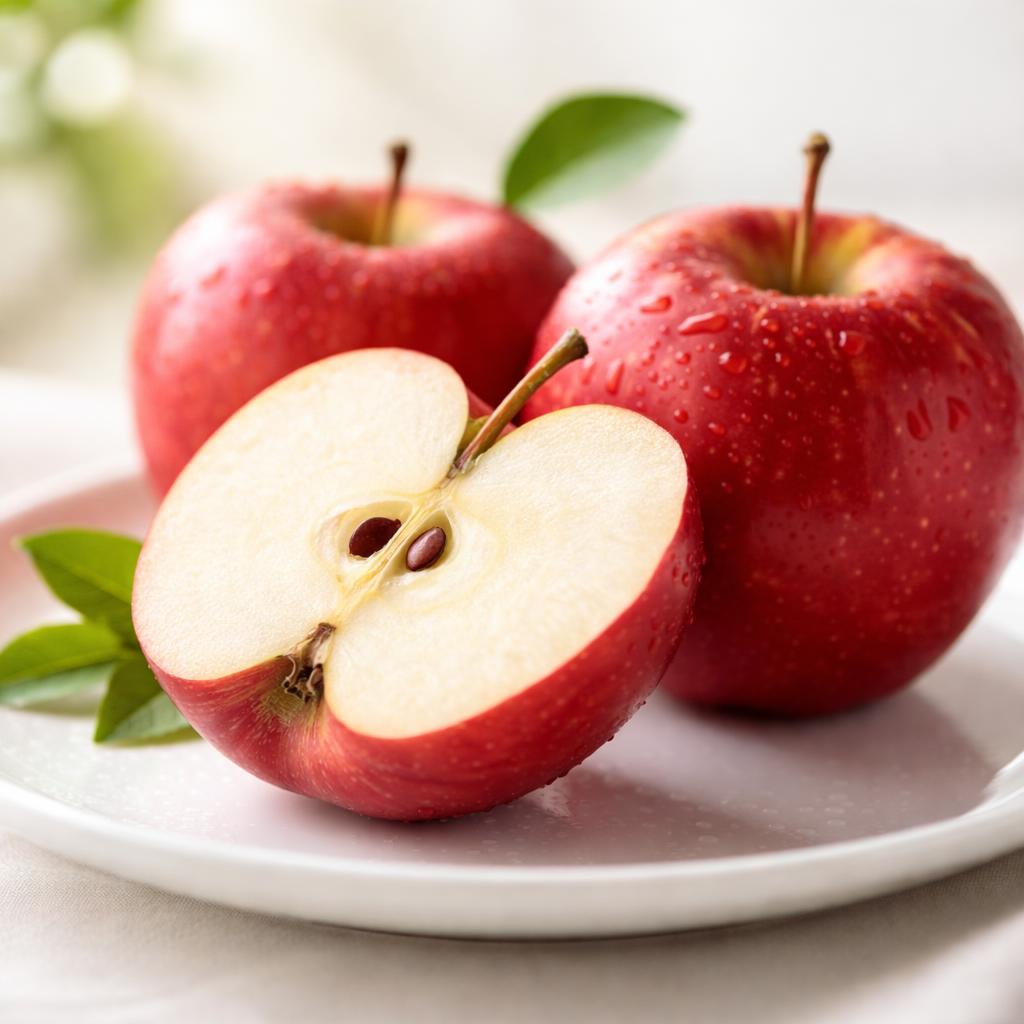
Apple
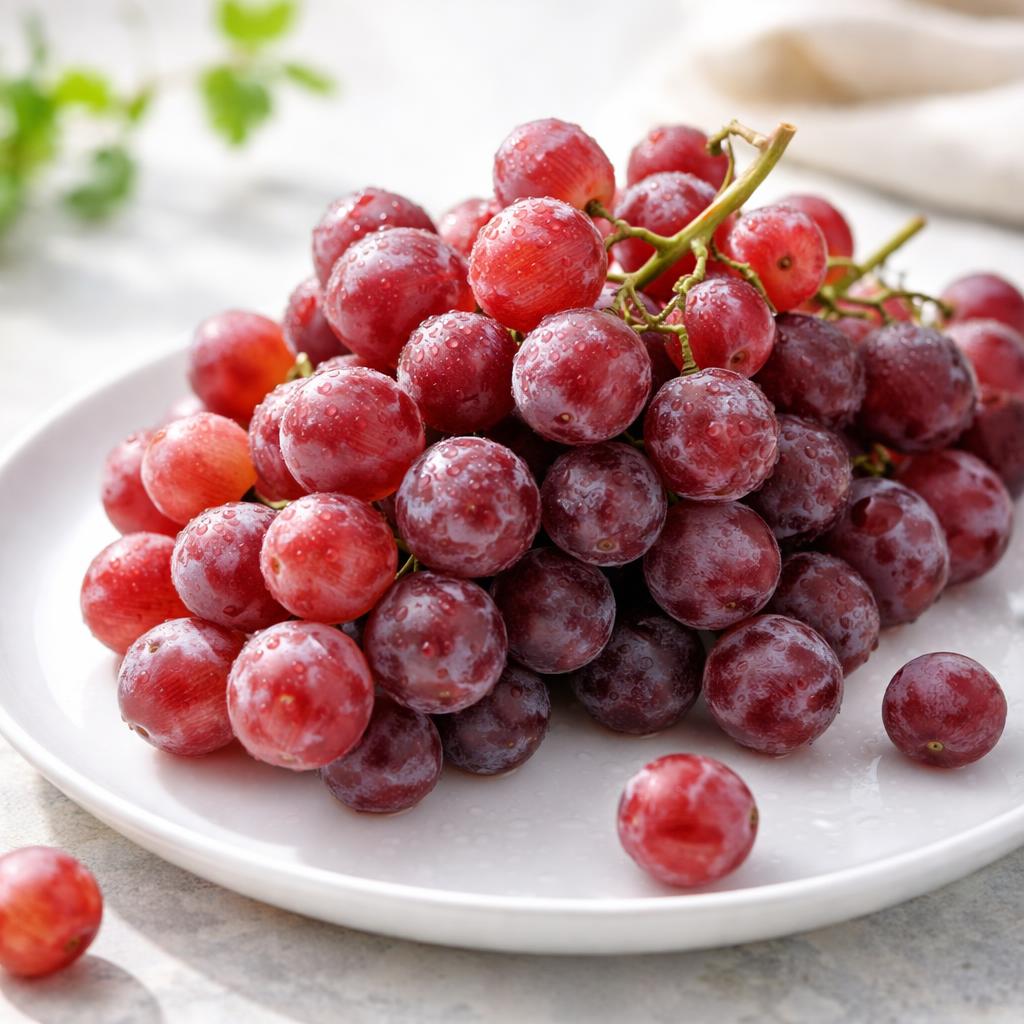
Grapes
🎯 Quick Verdict
Apples and grapes are both nutritious fruits. Apples are higher in fiber and slightly lower in calories, making them more filling. Grapes, on the other hand, are convenient for snacking and contain slightly higher carbohydrates. Both are hydrating and rich in antioxidants but suit different dietary needs and preferences.

Smart Nutrition Tracking with SnapCalorie

📊 Nutritional Comparison
Macronutrients
| Nutrient | Food 1 | Food 2 | Winner |
|---|---|---|---|
| Calories | 95 (1 medium apple) | 62 (1 cup grapes) | ✓ |
| Protein | 0.5g | 0.5g | − |
| Carbs | 25g | 16g | ✓ |
| Fat | 0.3g | 0.4g | ✓ |
| Fiber | 4g | 0.9g | ✓ |
Vitamins & Minerals
| Nutrient | Food 1 | Food 2 | Winner |
|---|---|---|---|
| Vitamin C | 8mg | 4mg | ✓ |
| Potassium | 195mg | 288mg | ✓ |
| Vitamin A | 2 IU | 92 IU | ✓ |
🏆 Category Winners
Protein
Both have equal protein content at 0.5g per serving.
Fiber
Apples contain 4g of fiber compared to only 0.9g in grapes.
Calories
Apples are slightly lower in calories but more filling due to fiber.
Vitamins
Apples excel in Vitamin C, while grapes are higher in potassium and Vitamin A.
🥗 Diet Compatibility
Keto
Food 1: Not Compatible
Food 2: Not Compatible
Both apples and grapes are relatively high in carbohydrates.
Vegan
Food 1: Compatible
Food 2: Compatible
Both are plant-based options suitable for vegans.
Gluten Free
Food 1: Compatible
Food 2: Compatible
Neither contains gluten.
Paleo
Food 1: Compatible
Food 2: Compatible
Both are whole fruits that align with paleo dietary principles.
Low-Carb
Food 1: Not Compatible
Food 2: Not Compatible
Both are higher in carbs, making them unsuitable for strict low-carb diets.
💪 Health Benefits Comparison
Food 1 Benefits
- Rich in fiber for digestive health
- Contains antioxidants to combat free radicals
- Supports immune function with Vitamin C
- Low in calories and hydrating
Food 2 Benefits
- Provides quick energy via natural sugars
- Contains antioxidants like resveratrol for heart health
- Good source of potassium for muscle and nerve function
- Hydrating and helps with electrolyte balance
✅ The Bottom Line
Apples are best if you need a filling, nutrient-dense snack with extra fiber and fewer calories. Grapes are ideal for convenient snacking and quick energy, especially during physical activity. Both are hydrating and rich in antioxidants, but align to slightly different dietary roles.
Choose Food 1 for: Weight management, improving digestion, filling snacks
Choose Food 2 for: Quick snacking, antioxidant benefits, pre- or post-workout energy


