Apple VS Fruit Salad
A detailed nutritional comparison
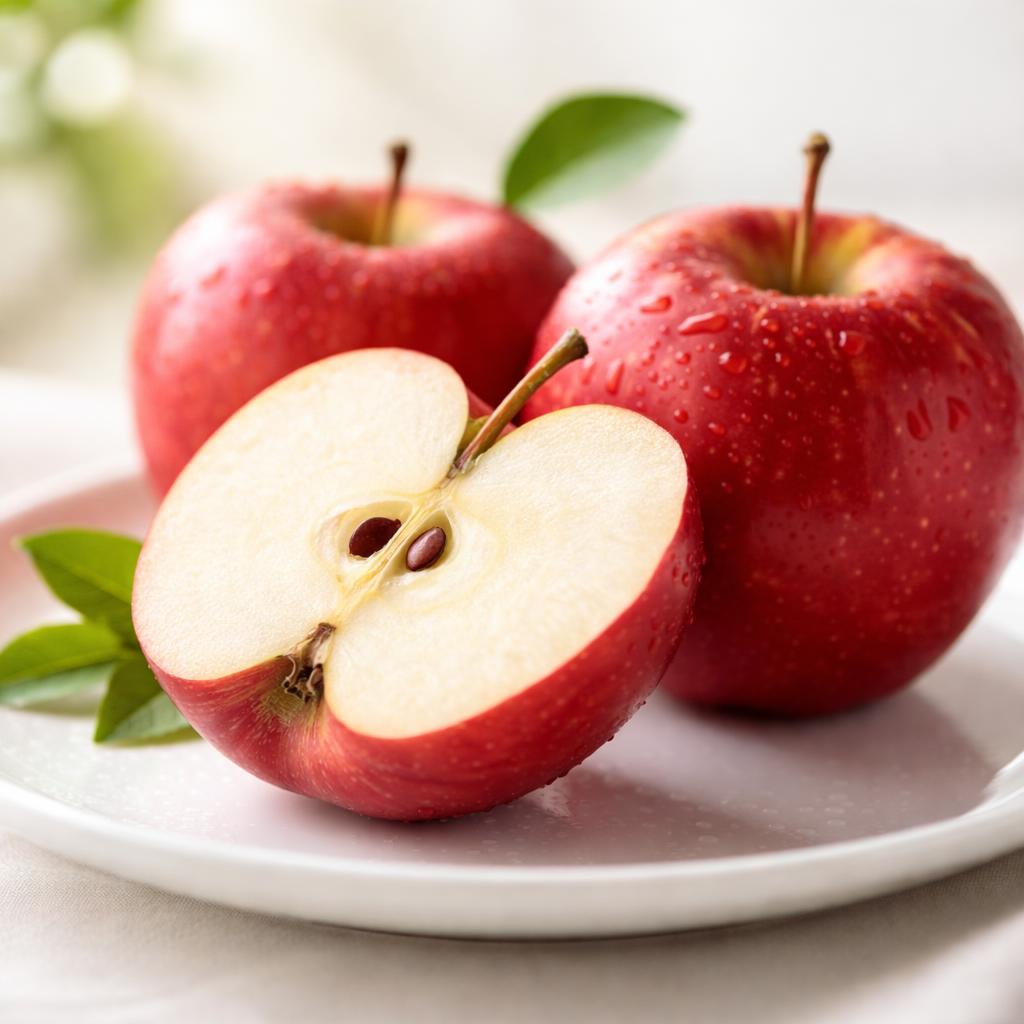
Apple
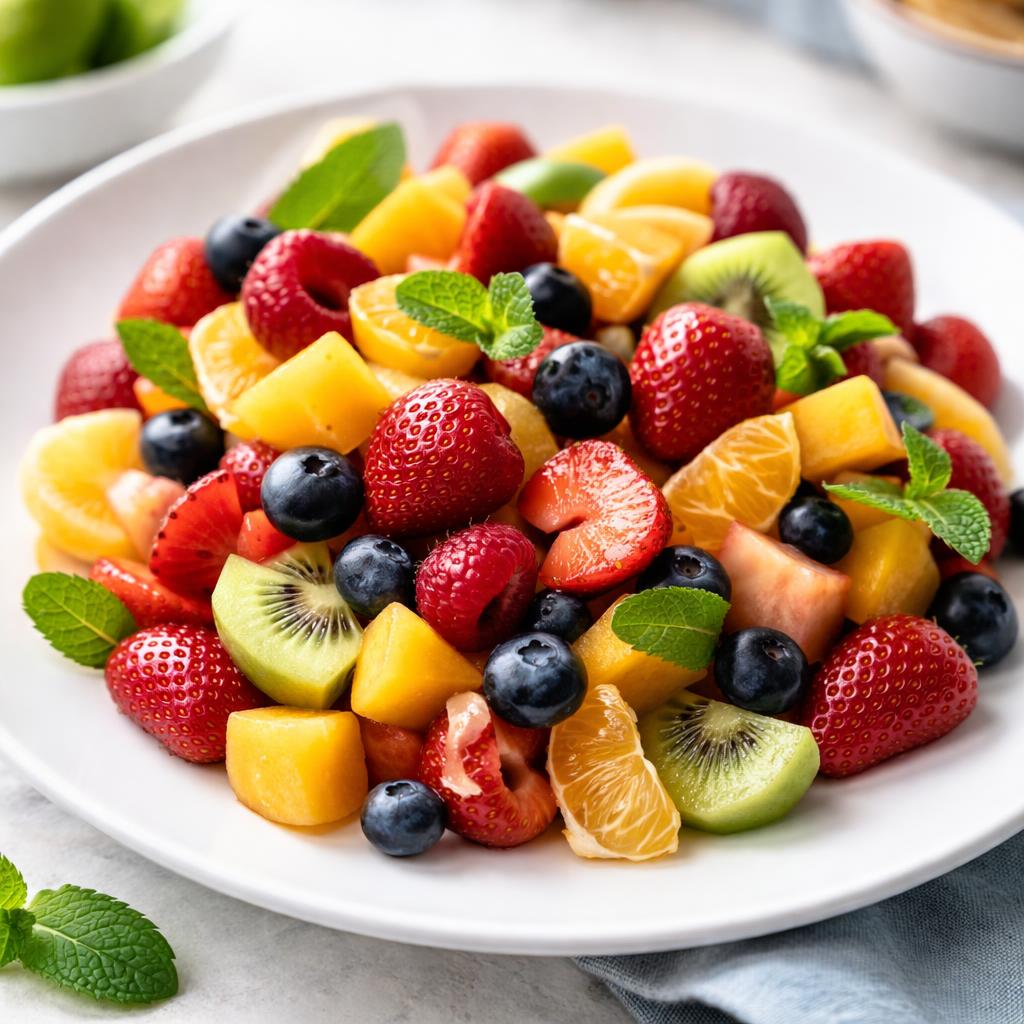
Fruit Salad
🎯 Quick Verdict
Fruit salad outshines apples in terms of protein and fiber due to the diversity of fruits included, each contributing unique nutrients, like vitamins and minerals. Apples are still excellent for minimal preparation and their notable vitamin C content, making them a quick snack choice or low-calorie option.

Smart Nutrition Tracking with SnapCalorie

📊 Nutritional Comparison
Macronutrients
| Nutrient | Food 1 | Food 2 | Winner |
|---|---|---|---|
| Calories | 95 | 100 | − |
| Protein | 0.5g | 1.2g | − |
| Carbs | 25g | 24g | − |
| Fat | 0.3g | 0.9g | − |
| Fiber | 4g | 5g | − |
Vitamins & Minerals
| Nutrient | Food 1 | Food 2 | Winner |
|---|---|---|---|
| Vitamin C | 8mg | 20mg | − |
| Vitamin A | 2mcg | 25mcg | − |
| Potassium | 195mg | 300mg | − |
🏆 Category Winners
Protein
Fruit salad has more protein due to a mix of fruits like berries and tropical fruits.
Fiber
Fruit salad provides 25% more fiber than an apple.
Calories
Both apple and fruit salad are similar in calorie content, making them equally good for calorie-conscious diets.
Vitamins
Fruit salad has a broader array of vitamins like vitamin C and A, from mixed fruits.
🥗 Diet Compatibility
Keto
Food 1: Not Compatible
Food 2: Not Compatible
Both foods are higher in carbs, making them unsuitable for keto diets.
Vegan
Food 1: Compatible
Food 2: Compatible
Both foods are plant-based and naturally vegan.
Gluten Free
Food 1: Compatible
Food 2: Compatible
Neither food contains gluten as they are naturally free of it.
Paleo
Food 1: Compatible
Food 2: Compatible
Both are unprocessed and align with paleo guidelines.
Low-Carb
Food 1: Not Compatible
Food 2: Not Compatible
Both foods contain over 20g carbs per serving, too high for low-carb diets.
💪 Health Benefits Comparison
Food 1 Benefits
- Rich in antioxidants for reducing inflammation
- Good source of fiber for digestive health
- May support heart health due to potassium content
Food 2 Benefits
- Variety of fruits offers a wider range of vitamins and antioxidants
- Higher fiber content supports improved digestion
- Good source of potassium for electrolyte balance
✅ The Bottom Line
Choose an apple for convenience, portability, and a quick snack to curb hunger. Opt for fruit salad when seeking variety, broader vitamin intake, and slightly higher fiber and protein content.
Choose Food 1 for: Quick snacks, portable healthy option, low-maintenance energy boost
Choose Food 2 for: Broader nutrient intake, post-meal dessert, fiber-rich snack


