Apple VS Feta Cheese
A detailed nutritional comparison
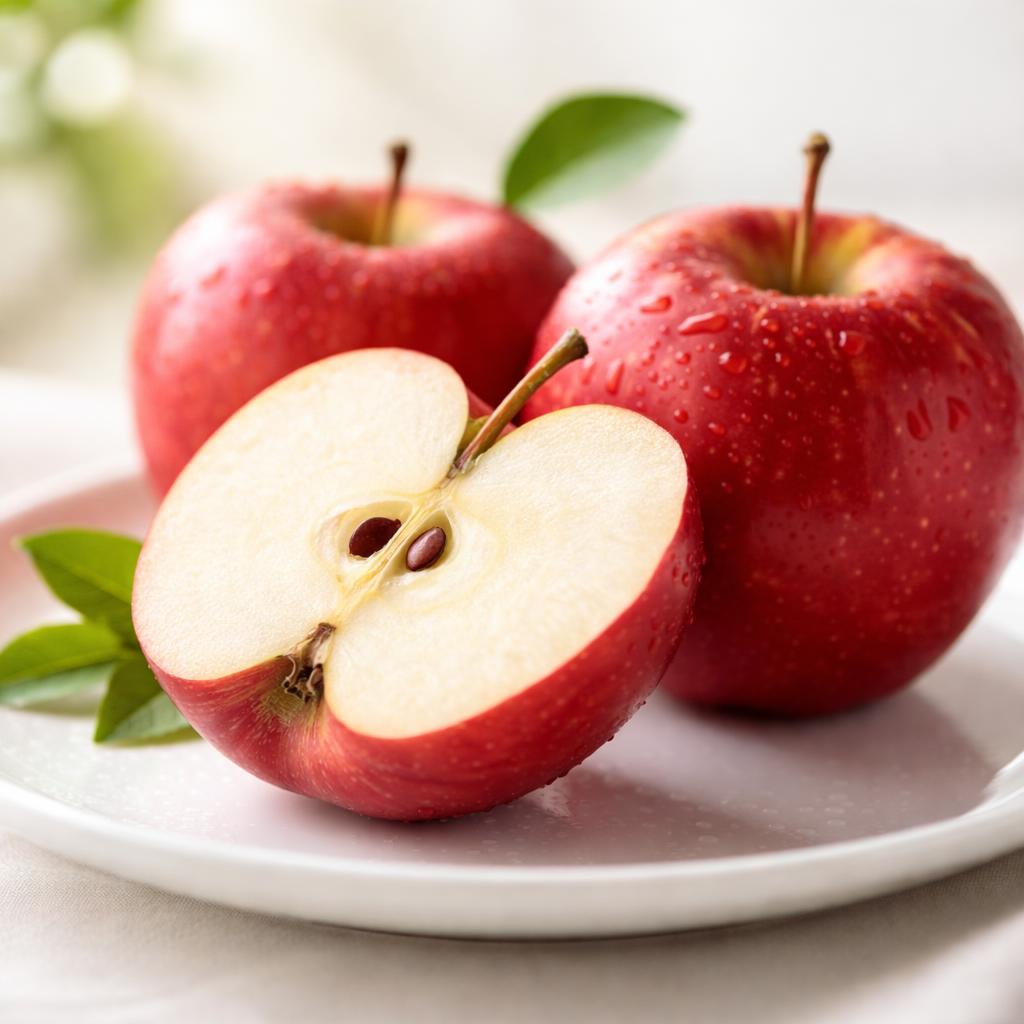
Apple

Feta Cheese
🎯 Quick Verdict
Apples are nutrient-dense fruits that are high in fiber, low in calories, and loaded with antioxidants, making them ideal for snacking and weight management. Feta cheese, on the other hand, is protein-rich, higher in fat, and a good source of calcium, suitable for muscle recovery and adding flavor to meals. Each food excels in distinct dietary areas for different needs.

Smart Nutrition Tracking with SnapCalorie

📊 Nutritional Comparison
Macronutrients
| Nutrient | Food 1 | Food 2 | Winner |
|---|---|---|---|
| Calories | 95 | 75 | ✓ |
| Protein | 0.5g | 4g | ✓ |
| Carbs | 25g | 1g | ✓ |
| Fat | 0.3g | 6g | ✓ |
| Fiber | 4.4g | 0g | ✓ |
Vitamins & Minerals
| Nutrient | Food 1 | Food 2 | Winner |
|---|---|---|---|
| Vitamin C | 8mg | 0mg | ✓ |
| Calcium | 11mg | 140mg | ✓ |
| Iron | 0.2mg | 0.3mg | ✓ |
🏆 Category Winners
Protein
Feta cheese is significantly richer in protein, with 8 times more protein per serving than an apple.
Fiber
Apples provide 4.4g of fiber per serving, while feta cheese contains no fiber.
Calories
Apples have fewer calories and are more suitable for low-calorie diets despite their carbohydrate content.
🥗 Diet Compatibility
Keto
Food 1: Not Compatible
Food 2: Compatible
Feta cheese is low-carb and high-fat, meeting keto diet criteria.
Vegan
Food 1: Compatible
Food 2: Not Compatible
Apples are plant-based; feta cheese is a dairy product.
Gluten Free
Food 1: Compatible
Food 2: Compatible
Neither apples nor feta cheese contain gluten.
Paleo
Food 1: Compatible
Food 2: Not Compatible
Apples align with paleo guidelines; feta cheese does not as it's a processed dairy product.
Low-Carb
Food 1: Not Compatible
Food 2: Compatible
Apples are high in carbs, whereas feta cheese contains only 1g of carbs per serving.
💪 Health Benefits Comparison
Food 1 Benefits
- Rich in fiber for digestive health
- Low calorie, aiding in weight management
- Provides antioxidants like polyphenols for reducing inflammation
- Good source of vitamin C for immune support
Food 2 Benefits
- High in protein for muscle repair and maintenance
- Rich in calcium for strong bones and teeth
- Contains conjugated linoleic acid (CLA), which may support fat metabolism
- Provides probiotics for gut health if consumed unpasteurized
✅ The Bottom Line
Choose apples for a low-calorie, fiber-rich snack perfect for weight management and digestion support. Feta cheese is ideal for adding protein, calcium, and flavor to meals, especially for keto or low-carb diets. Each food complements different dietary goals and should be used accordingly.
Choose Food 1 for: Weight management, digestion, refreshing snacks
Choose Food 2 for: Keto diets, muscle recovery, nutrient-rich meal toppings


