Apple VS Edamame
A detailed nutritional comparison
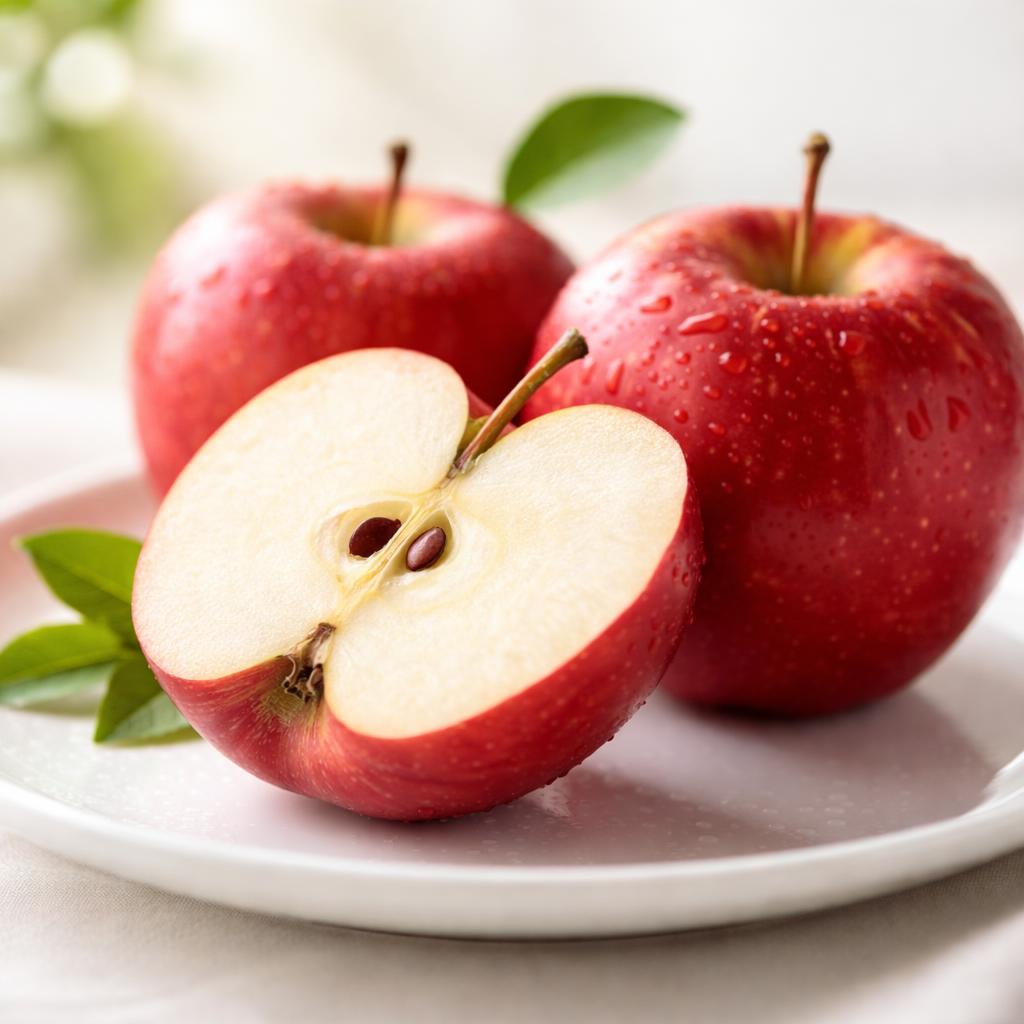
Apple
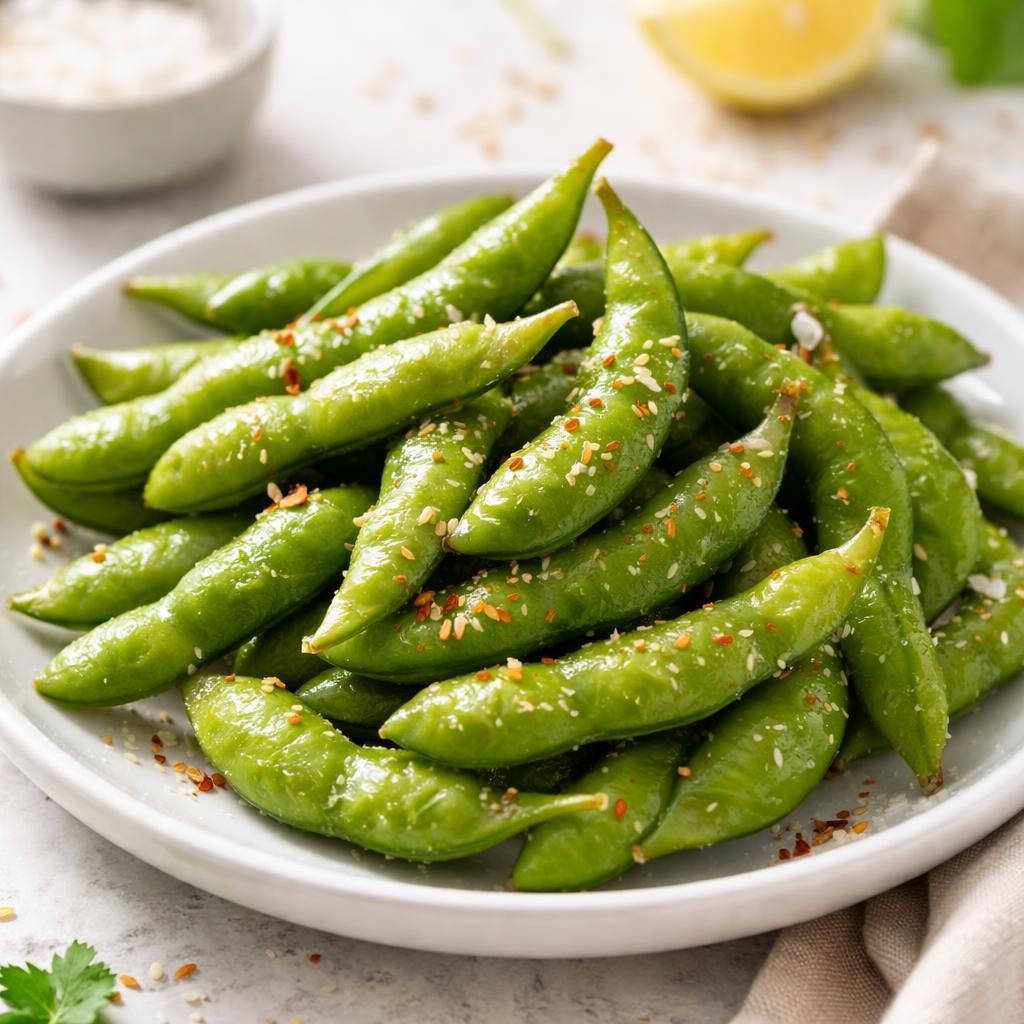
Edamame
🎯 Quick Verdict
Edamame is nutritionally superior for protein, fiber, and overall micronutrient density, making it ideal for muscle building and energy needs. Apples offer lower calories and natural sugars, making them better suited for a light snack or quick energy boost.

Smart Nutrition Tracking with SnapCalorie

📊 Nutritional Comparison
Macronutrients
| Nutrient | Food 1 | Food 2 | Winner |
|---|---|---|---|
| Calories | 95 (medium apple) | 120 (1 cup shelled edamame) | ✓ |
| Protein | 0.5g | 11g | ✓ |
| Carbs | 25g | 10g | ✓ |
| Fat | 0.3g | 5g | ✓ |
| Fiber | 4g | 6g | ✓ |
Vitamins & Minerals
| Nutrient | Food 1 | Food 2 | Winner |
|---|---|---|---|
| Vitamin C | 8.4mg | 9.5mg | ✓ |
| Calcium | 10mg | 98mg | ✓ |
| Iron | 0.2mg | 3mg | ✓ |
| Vitamin A | 4mcg | 23mcg | ✓ |
🏆 Category Winners
Protein
Edamame has 22 times more protein than an apple, making it a high-protein option.
Fiber
Edamame contains 50% more fiber than an apple, supporting digestion and satiety.
Calories
Apples have 21% fewer calories, making them better for low-calorie diets.
Vitamins
Edamame has higher levels of key vitamins and minerals (e.g., calcium, iron, vitamin C).
🥗 Diet Compatibility
Keto
Food 1: Not Compatible
Food 2: Compatible
Edamame is lower in carbs (10g per serving) compared to apples (25g).
Vegan
Food 1: Compatible
Food 2: Compatible
Both foods are plant-based and suitable for vegan diets.
Gluten Free
Food 1: Compatible
Food 2: Compatible
Both are naturally gluten-free.
Paleo
Food 1: Compatible
Food 2: Not Compatible
Apples are paleo-friendly, while edamame is a legume and excluded in paleo diets.
Low Carb
Food 1: Not Compatible
Food 2: Compatible
Edamame is lower in carbohydrates than apples, making it more suitable for low-carb diets.
💪 Health Benefits Comparison
Food 1 Benefits
- Provides natural sugars for quick energy
- Rich in antioxidants like polyphenols
- Offers vitamin C to support immune health
- Low calorie and hydrating
Food 2 Benefits
- High in protein for muscle repair and growth
- Excellent source of fiber for gut health
- Rich in calcium and iron for bone strength and oxygen transport
- Contains healthy fats for heart health
✅ The Bottom Line
Edamame is far more nutrient-dense, offering protein, fiber, and micronutrients, ideal for those seeking a filling and nutritious snack. Apples are a lower-calorie, portable option for a quick energy boost and hydration. Choose edamame for enhancing satiety or muscle growth, and opt for apples when craving a light, on-the-go snack.
Choose Food 1 for: Low-calorie snacking, hydration, quick energy
Choose Food 2 for: High-protein diets, sustained energy, nutrient density


