Apple VS Coconut Water
A detailed nutritional comparison
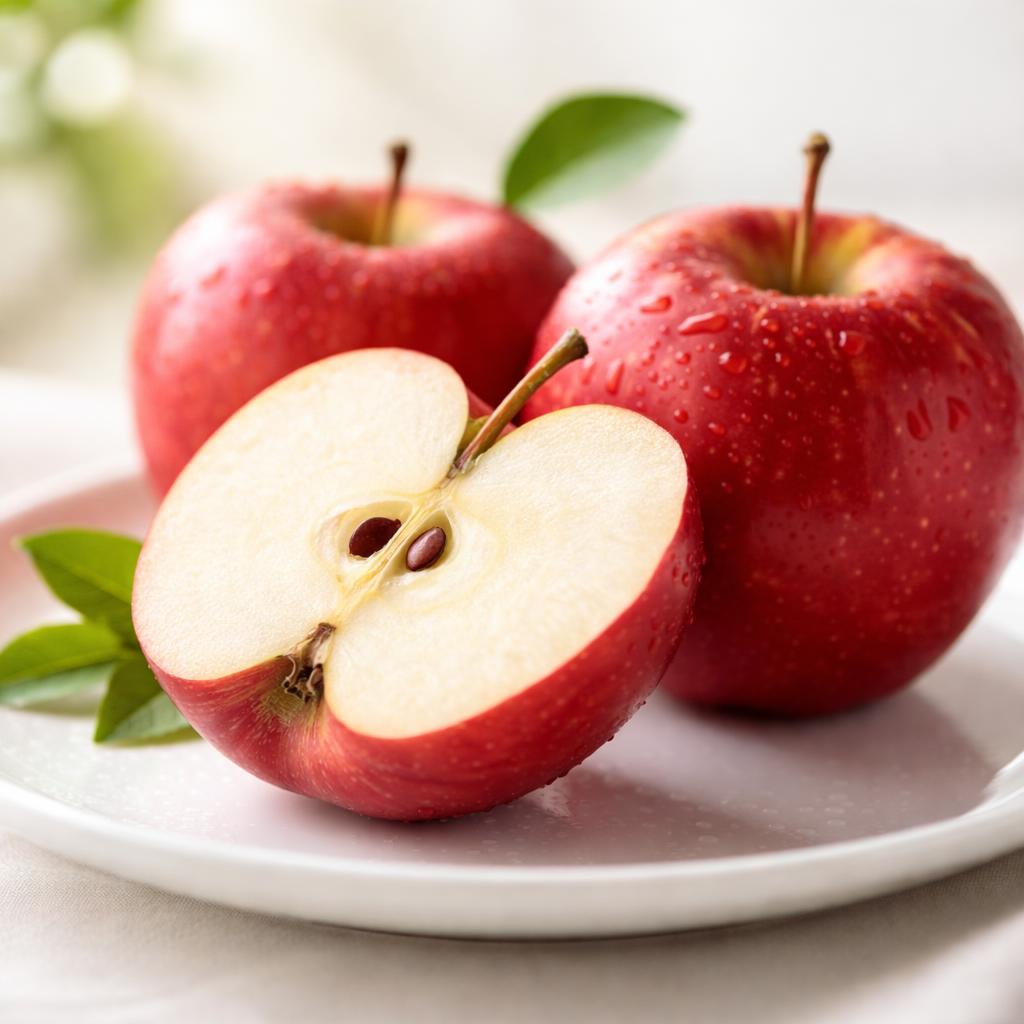
Apple
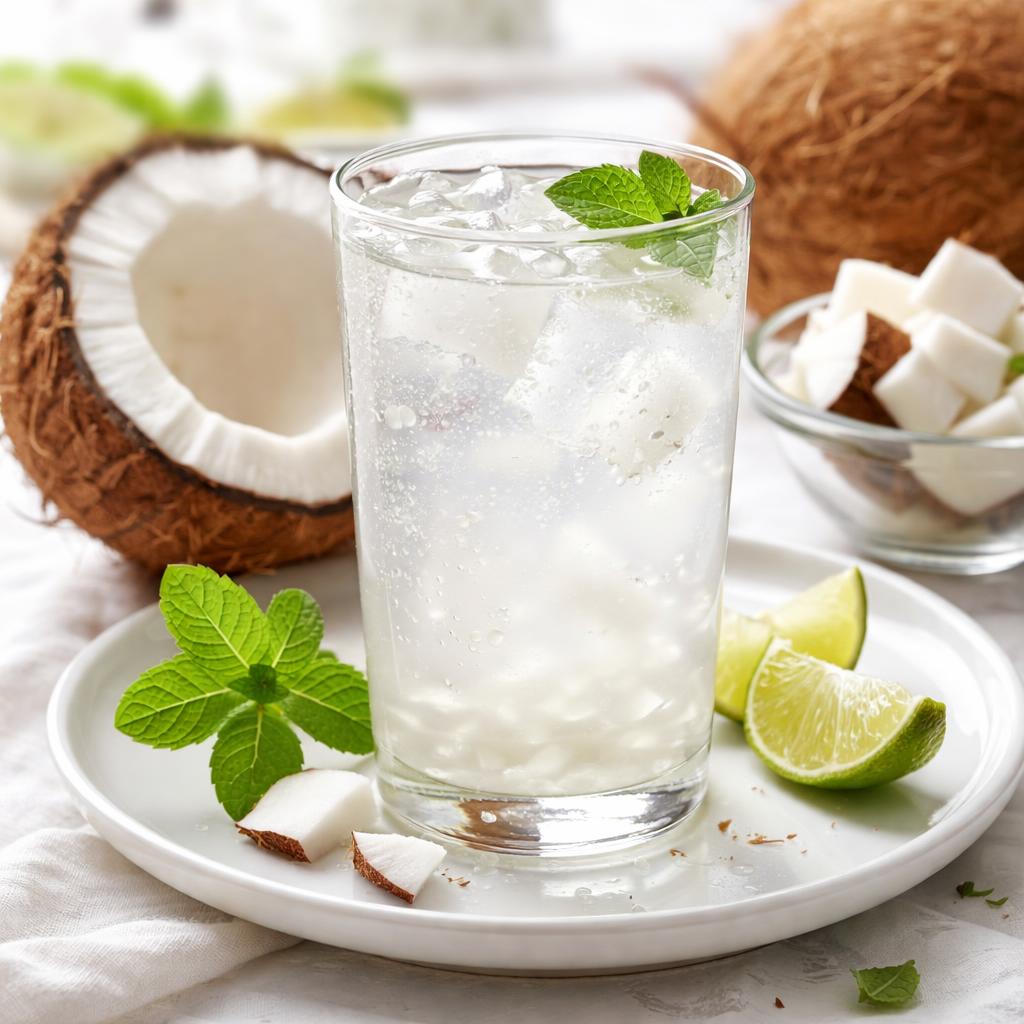
Coconut Water
🎯 Quick Verdict
Apples are higher in fiber and lower in calories compared to coconut water, making them a better choice for weight management and sustained fullness. Coconut water, on the other hand, is hydrating and offers more potassium, making it ideal for replenishing electrolytes after physical activity.

Smart Nutrition Tracking with SnapCalorie

📊 Nutritional Comparison
Macronutrients
| Nutrient | Food 1 | Food 2 | Winner |
|---|---|---|---|
| Calories | 95 | 46 | ✓ |
| Protein | 0.5g | 0.5g | − |
| Carbs | 25g | 9g | ✓ |
| Fat | 0.3g | 0.5g | ✓ |
| Fiber | 4g | 0g | ✓ |
Vitamins & Minerals
| Nutrient | Food 1 | Food 2 | Winner |
|---|---|---|---|
| Vitamin C | 8mg | 2.4mg | ✓ |
| Potassium | 195mg | 470mg | ✓ |
| Calcium | 11mg | 57mg | ✓ |
🏆 Category Winners
Protein
Both foods contain very low and equal protein (0.5g per serving).
Fiber
Apples provide 4g of fiber per serving, while coconut water contains none.
Calories
Coconut water is lower in calories, with just 46 calories compared to 95 calories in an apple.
Vitamins
Food2 is higher in potassium and calcium, essential for muscle and bone health.
🥗 Diet Compatibility
Keto
Food 1: Not Compatible
Food 2: Compatible
Coconut water is lower in carbs (9g) and fits within keto macros, while apples (25g of carbs) exceed keto-friendly levels.
Vegan
Food 1: Compatible
Food 2: Compatible
Both foods are plant-based and suitable for vegans.
Gluten Free
Food 1: Compatible
Food 2: Compatible
Neither contains gluten.
Paleo
Food 1: Compatible
Food 2: Compatible
Both foods align with Paleo principles as minimally processed and natural.
Low Carb
Food 1: Not Compatible
Food 2: Compatible
Coconut water has significantly fewer carbs, making it suitable for low-carb diets.
💪 Health Benefits Comparison
Food 1 Benefits
- Rich in fiber for improved digestion and gut health
- Provides vitamin C to support immunity
- Low in calories, making it ideal for weight management
- Contains antioxidants to help combat oxidative stress
Food 2 Benefits
- Excellent source of hydration and replenishes electrolytes
- High in potassium for muscle and nerve function
- Contains small amounts of calcium for bone health
- Offers natural sugars for quick energy boosts
✅ The Bottom Line
Apples are better for fiber intake, weight loss, and sustained fullness, making them ideal for snacking or complementing meals. Coconut water is best for hydration and replenishing electrolytes, particularly after exercise. Choose apples for digestion and long-term satiety and coconut water for hydration and energy balance.
Choose Food 1 for: Weight management, gut health, immune support
Choose Food 2 for: Hydration, post-exercise recovery, quick energy replenishment


