Apple VS Cheese Cubes
A detailed nutritional comparison
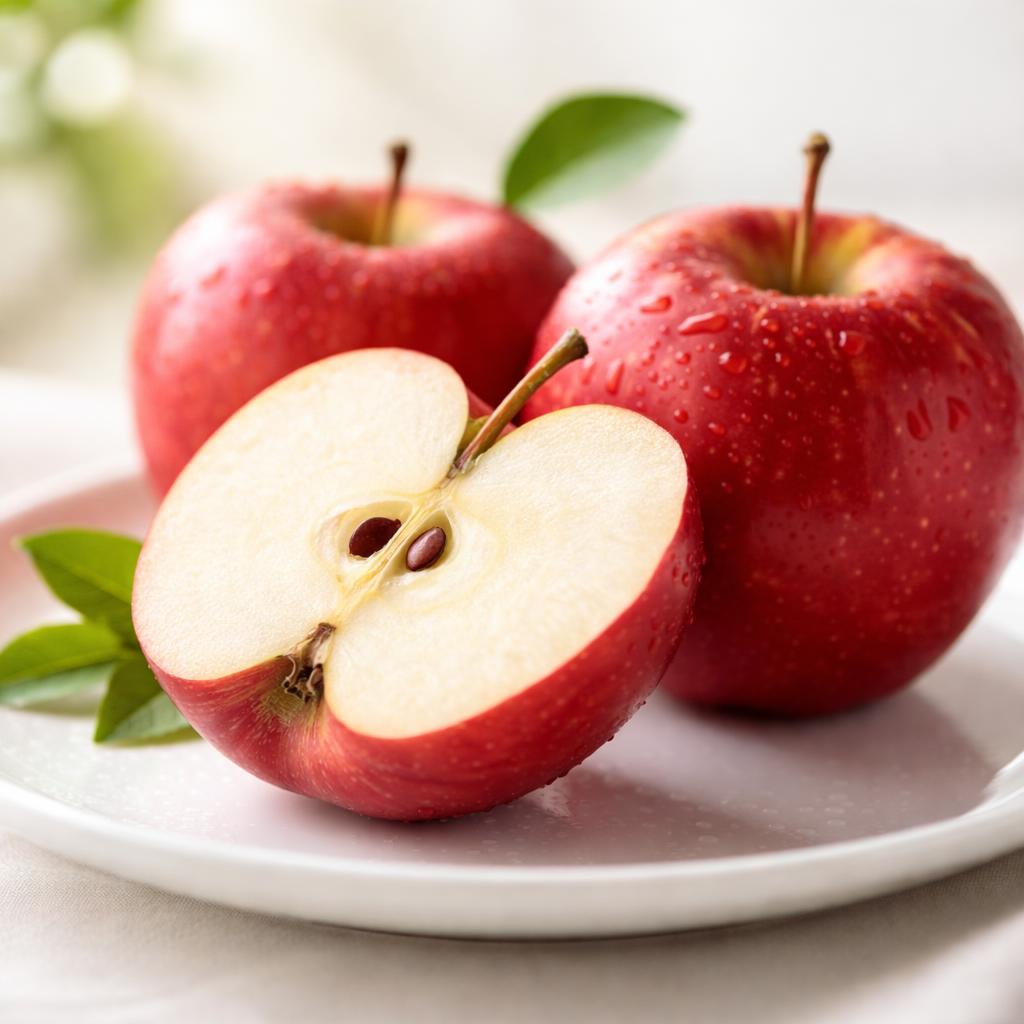
Apple
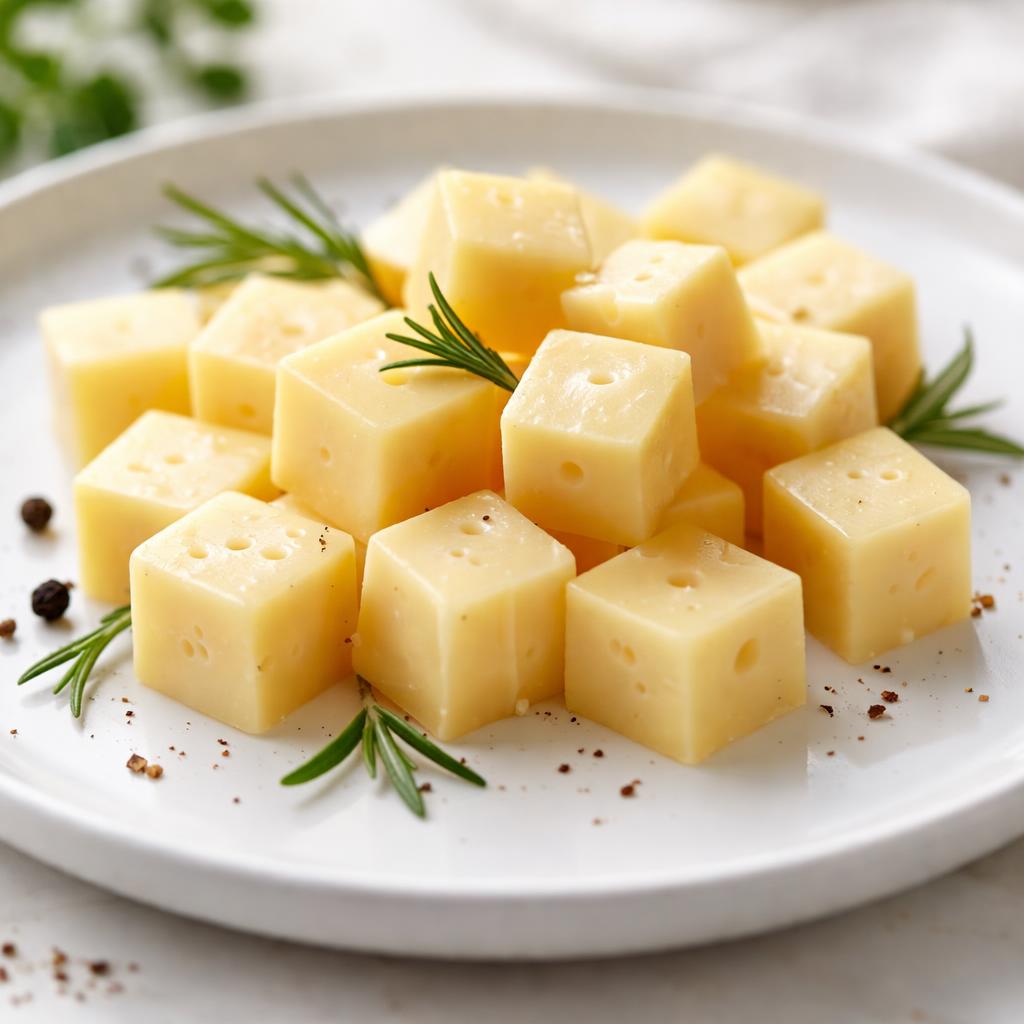
Cheese Cubes
🎯 Quick Verdict
Apples are lower in calories and provide more fiber, making them ideal for calorie-conscious and digestive health-focused diets. Cheese cubes offer significantly more protein and fat, making them suitable for high-protein or keto diets. Both have unique health benefits tailored to different dietary goals.

Smart Nutrition Tracking with SnapCalorie

📊 Nutritional Comparison
Macronutrients
| Nutrient | Food 1 | Food 2 | Winner |
|---|---|---|---|
| Calories | 95 | 110 | ✓ |
| Protein | 0.5g | 7g | ✓ |
| Carbs | 25g | 1g | ✓ |
| Fat | 0.3g | 9g | ✓ |
| Fiber | 4g | 0g | ✓ |
Vitamins & Minerals
| Nutrient | Food 1 | Food 2 | Winner |
|---|---|---|---|
| Vitamin C | 8.4mg | 0mg | ✓ |
| Vitamin A | 98IU | 300IU | ✓ |
| Calcium | 11mg | 200mg | ✓ |
| Iron | 0.2mg | 0.1mg | ✓ |
🏆 Category Winners
Protein
Cheese cubes provide 14 times more protein than an apple.
Fiber
Apples deliver 4g of fiber compared to 0g in cheese cubes.
Calories
Apples are 15 calories lower than cheese cubes per serving.
Vitamins
Apple is higher in Vitamin C and iron, while cheese cubes are higher in calcium and Vitamin A.
🥗 Diet Compatibility
Keto
Food 1: Not Compatible
Food 2: Compatible
Cheese cubes are high in fat and low in carbs, aligning with keto principles.
Vegan
Food 1: Compatible
Food 2: Not Compatible
Apples are plant-based while cheese is derived from milk.
Gluten Free
Food 1: Compatible
Food 2: Compatible
Neither apples nor cheese cubes contain gluten.
Paleo
Food 1: Compatible
Food 2: Not Compatible
Apples are naturally occurring, while cheese is a processed dairy product.
Low-Carb
Food 1: Not Compatible
Food 2: Compatible
Apples are high in carbs, while cheese cubes contain only 1g of carbs.
💪 Health Benefits Comparison
Food 1 Benefits
- Rich in dietary fiber for better digestion
- Provides Vitamin C for immune system support
- Contains natural sugars for quick energy
Food 2 Benefits
- High protein content for muscle maintenance
- Excellent source of calcium for bone health
- Contains healthy fats for sustained energy and satiety
✅ The Bottom Line
Choose apples for a low-calorie, high-fiber snack suitable for vegan, paleo, and general diets. Opt for cheese cubes for a protein-packed option ideal for keto and low-carb diets. Both are versatile and can complement various dietary goals.
Choose Food 1 for: Digestive health, weight loss, quick energy boosts
Choose Food 2 for: High-protein diets, keto, post-workout recovery


