Apple VS Cheerios
A detailed nutritional comparison
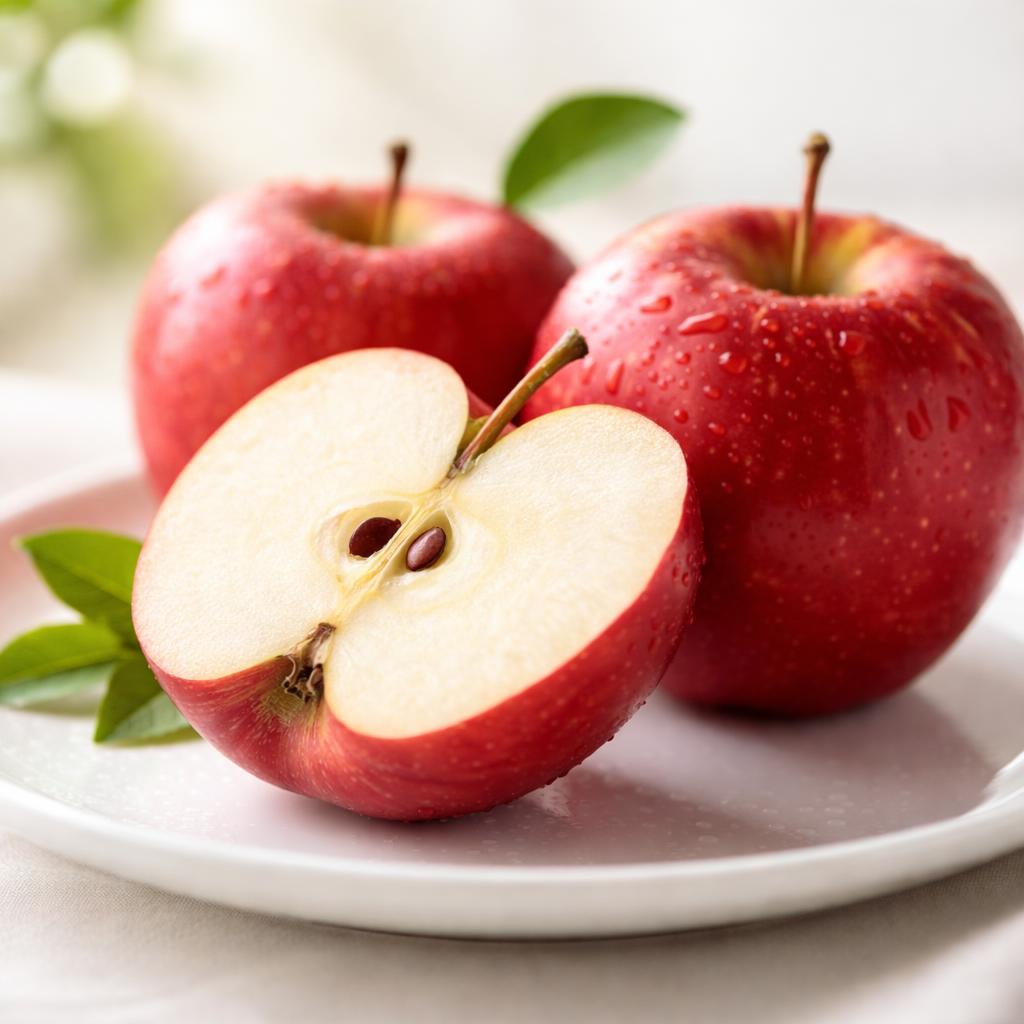
Apple
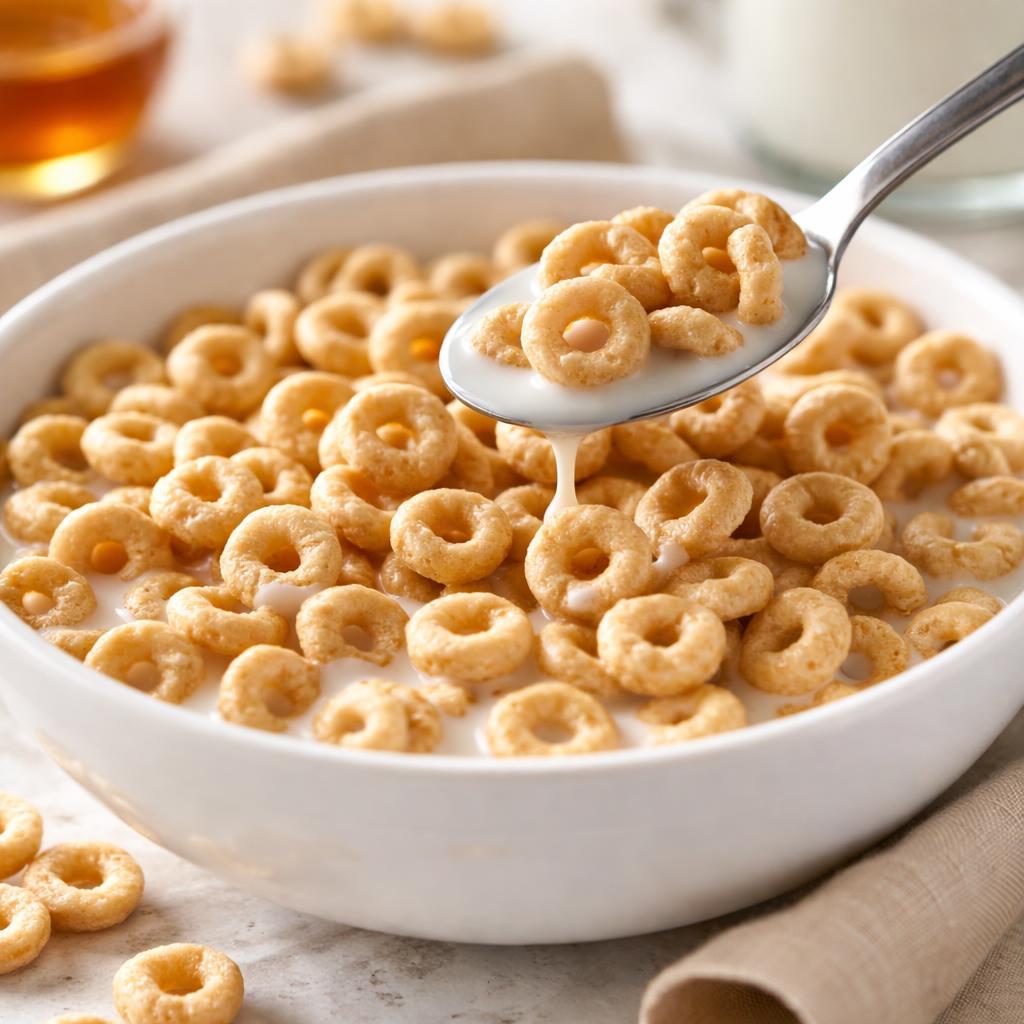
Cheerios
🎯 Quick Verdict
Apples (food1) are naturally lower in calories and sugar, and contain more fiber than Cheerios (food2). Cheerios provide more protein per serving and are fortified with vitamins and minerals, making them a good option for nutrient density. An apple is ideal for a quick, low-calorie snack, while Cheerios work well for breakfast or sustained energy needs.

Smart Nutrition Tracking with SnapCalorie

📊 Nutritional Comparison
Macronutrients
| Nutrient | Food 1 | Food 2 | Winner |
|---|---|---|---|
| Calories | 95 | 140 | ✓ |
| Protein | 0.5g | 3g | ✓ |
| Carbs | 25g | 30g | ✓ |
| Fat | 0.3g | 2g | ✓ |
| Fiber | 4g | 3g | ✓ |
Vitamins & Minerals
| Nutrient | Food 1 | Food 2 | Winner |
|---|---|---|---|
| Vitamin C | 8mg | 0mg | ✓ |
| Iron | 0.2mg | 12.6mg | ✓ |
| Calcium | 6mg | 100mg | ✓ |
| Vitamin D | 0mcg | 2mcg | ✓ |
🏆 Category Winners
Protein
Cheerios have 6x more protein than an apple per serving.
Fiber
Apples contain 33% more fiber, supporting digestion.
Calories
An apple has nearly 32% fewer calories than a serving of Cheerios.
Vitamins
Apples contribute vitamin C, while Cheerios are fortified with essential vitamins like iron and calcium.
🥗 Diet Compatibility
Keto
Food 1: Not Compatible
Food 2: Not Compatible
Both are too high in carbs for keto diets.
Vegan
Food 1: Compatible
Food 2: Compatible
Both foods are plant-based.
Gluten Free
Food 1: Compatible
Food 2: Not Compatible
Apples are naturally gluten-free, while Cheerios contain oats that may be cross-contaminated.
Paleo
Food 1: Compatible
Food 2: Not Compatible
Apples align with paleo diets, but Cheerios are processed foods.
Low-Carb
Food 1: Not Compatible
Food 2: Not Compatible
Both foods contain over 20g of carbs per serving.
💪 Health Benefits Comparison
Food 1 Benefits
- Low in calories, ideal for weight management
- High in fiber for digestion and gut health
- Provides natural antioxidants and vitamin C to boost immunity
Food 2 Benefits
- Fortified with essential nutrients like iron, calcium, and vitamin D
- Contains complex carbs for long-lasting energy
- Low in fat, making it a balanced breakfast choice
✅ The Bottom Line
Choose an apple for low-calorie, fiber-rich snacking and minimal processing. Choose Cheerios for a fortified breakfast or higher protein content. Both foods have distinctive benefits for different situations, but apples are better suited for whole-food, portable snacks, while Cheerios are better for fortified nutrition and structured meals.
Choose Food 1 for: Weight loss, digestion support, portable snacking
Choose Food 2 for: Breakfast meals, nutrient fortification, sustainable energy


