Apple VS Buckwheat
A detailed nutritional comparison
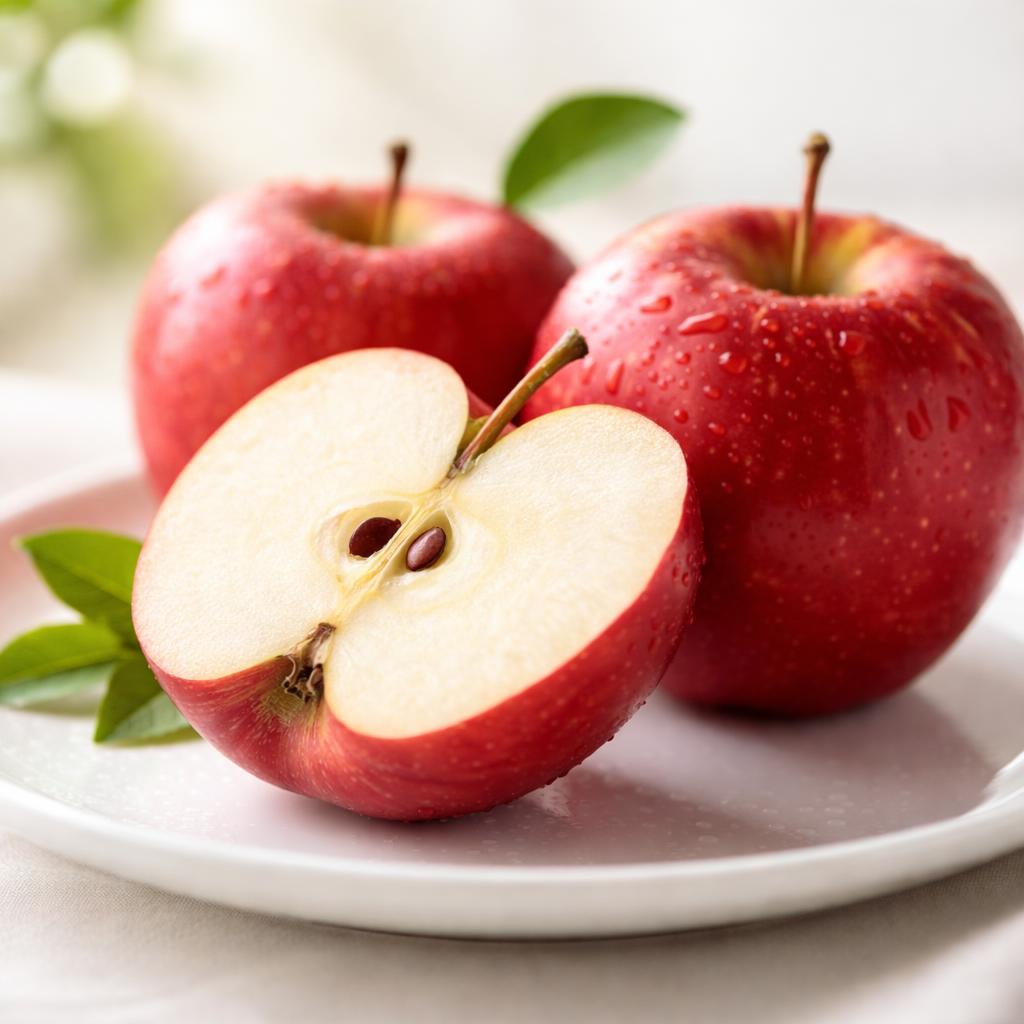
Apple
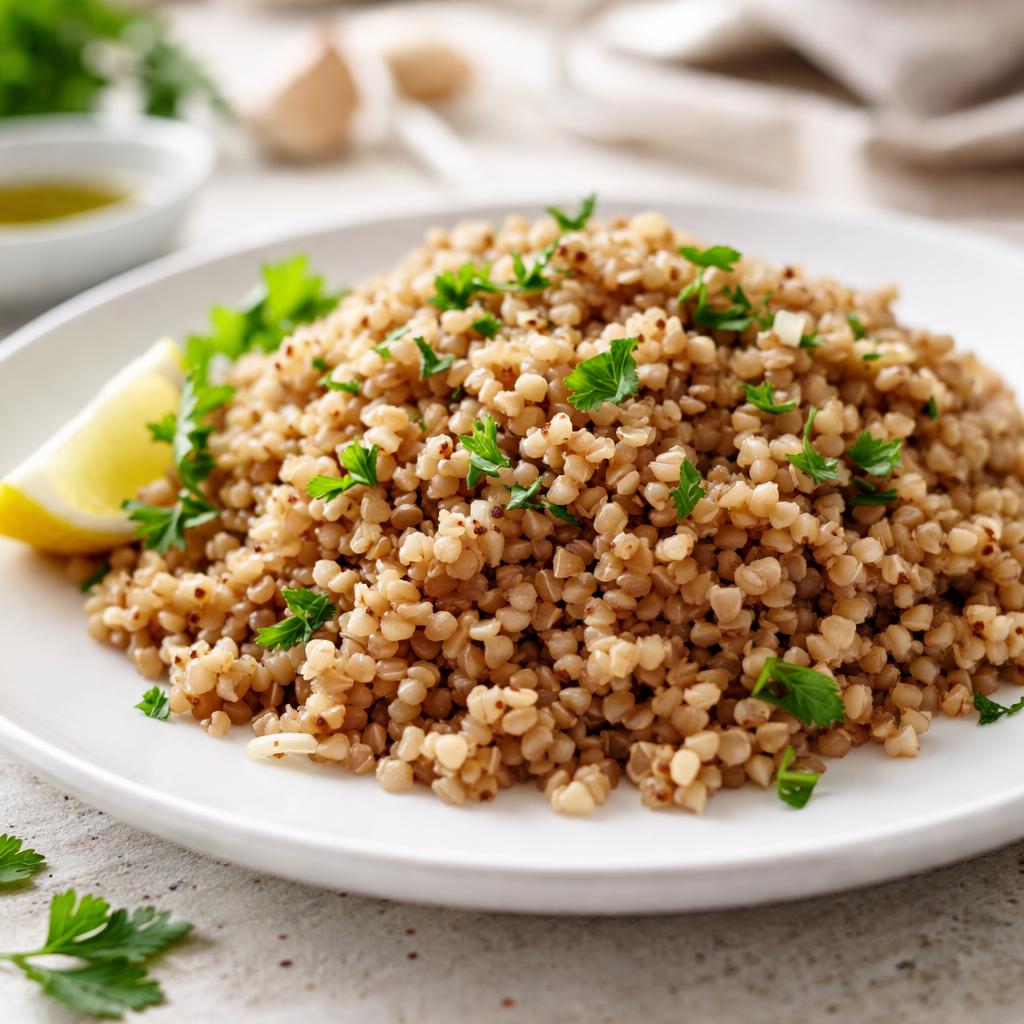
Buckwheat
🎯 Quick Verdict
Buckwheat is a nutrient-dense pseudograin with higher protein, fiber, and mineral content compared to apples, which are lower in calories but mainly provide carbohydrates and vitamin C. Apples are ideal for a quick, low-calorie snack, while buckwheat works well in balanced meals for sustained energy and nutrient variety.

Smart Nutrition Tracking with SnapCalorie

📊 Nutritional Comparison
Macronutrients
| Nutrient | Food 1 | Food 2 | Winner |
|---|---|---|---|
| Calories | 95 per medium apple | 343 per cup (raw) | ✓ |
| Protein | 0.5g | 13g | ✓ |
| Carbs | 25g | 71g | ✓ |
| Fat | 0g | 3g | ✓ |
| Fiber | 4g | 6g | ✓ |
Vitamins & Minerals
| Nutrient | Food 1 | Food 2 | Winner |
|---|---|---|---|
| Vitamin C | 8mg | 0mg | ✓ |
| Vitamin E | 0mg | 0.8mg | ✓ |
| Magnesium | 9mg | 86mg | ✓ |
| Potassium | 195mg | 460mg | ✓ |
| Iron | 0.1mg | 2.2mg | ✓ |
🏆 Category Winners
Protein
Buckwheat contains 26x more protein per serving compared to apples.
Fiber
Buckwheat provides 50% more fiber per serving than apples.
Calories
Apples have significantly fewer calories due to their high water content.
Vitamins
Buckwheat contains more essential minerals like magnesium, iron, and potassium, while apples primarily provide vitamin C.
🥗 Diet Compatibility
Keto
Food 1: Not Compatible
Food 2: Not Compatible
Both are too high in carbohydrates for keto diets.
Vegan
Food 1: Compatible
Food 2: Compatible
Both foods are naturally plant-based.
Gluten Free
Food 1: Compatible
Food 2: Compatible
Neither contains gluten.
Paleo
Food 1: Compatible
Food 2: Not Compatible
Apples align with paleo guidelines, while buckwheat does not due to being a pseudograin.
Low Carbohydrate
Food 1: Not Compatible
Food 2: Not Compatible
Both foods are relatively high in carbohydrates.
💪 Health Benefits Comparison
Food 1 Benefits
- Rich in vitamin C for immune support.
- Provides soluble fiber for gut health.
- Contains antioxidants that help fight free radicals.
Food 2 Benefits
- Excellent source of plant-based protein for muscle health.
- Rich in minerals like magnesium for bone health and potassium for heart health.
- Provides sustained energy from complex carbohydrates and fiber.
✅ The Bottom Line
Choose apples for a low-calorie, nutrient-light snack rich in vitamin C and quick energy. Buckwheat is ideal for meals requiring sustained energy, protein, and essential minerals. They serve different dietary roles depending on calorie needs and other goals.
Choose Food 1 for: Low-calorie snacks, immune health, quick energy boost
Choose Food 2 for: Sustained energy, high-protein meals, mineral-rich diets


