Apple VS Bourbon
A detailed nutritional comparison
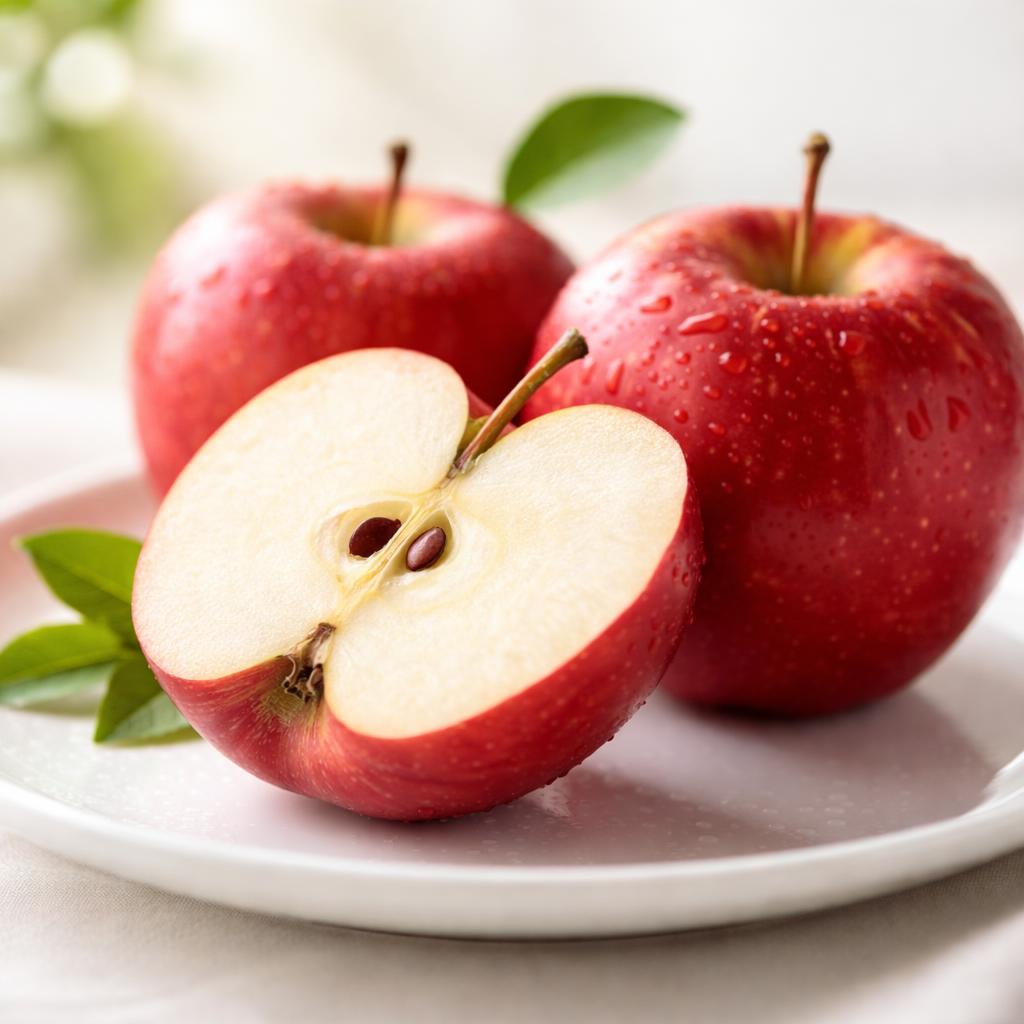
Apple
Bourbon
🎯 Quick Verdict
Apples and bourbon have vastly different nutritional profiles. Apples are nutrient-dense, low-calorie, and high in fiber, making them suitable for healthy eating. Bourbon is calorie-dense and provides minimal nutrients, primarily serving as a recreational beverage rather than a food choice for nourishment.

Smart Nutrition Tracking with SnapCalorie

📊 Nutritional Comparison
Macronutrients
| Nutrient | Food 1 | Food 2 | Winner |
|---|---|---|---|
| Calories | 95 | 100 per 1oz | ✓ |
| Protein | 0.5g | 0g | − |
| Carbs | 25g | 0g | ✓ |
| Fat | 0.3g | 0g | ✓ |
| Fiber | 4.4g | 0g | ✓ |
Vitamins & Minerals
| Nutrient | Food 1 | Food 2 | Winner |
|---|---|---|---|
| Vitamin C | 8.4mg | 0mg | ✓ |
| Potassium | 195mg | 0mg | ✓ |
| Calcium | 11mg | 0mg | ✓ |
🏆 Category Winners
Protein
Both foods have negligible protein content.
Fiber
Apples are rich in fiber (4.4g per serving), whereas bourbon contains none.
Calories
Apples have slightly fewer calories than bourbon per typical serving size.
Vitamins
Apples provide several essential vitamins and minerals, while bourbon lacks any meaningful micronutrients.
🥗 Diet Compatibility
Keto
Food 1: Not Compatible
Food 2: Compatible
Bourbon is low in carbs, whereas apples are higher in carbohydrates.
Vegan
Food 1: Compatible
Food 2: Compatible
Both foods are plant-based and vegan-friendly.
Gluten Free
Food 1: Compatible
Food 2: Compatible
Neither food contains gluten ingredients.
Paleo
Food 1: Compatible
Food 2: Not Compatible
Apples are whole foods, suitable for paleo diets, whereas bourbon is processed and excluded from paleo.
Low-Carb
Food 1: Not Compatible
Food 2: Compatible
Bourbon is low-carb, whereas apples are higher in natural sugars and carbohydrates.
💪 Health Benefits Comparison
Food 1 Benefits
- Rich in fiber for digestive health
- Contains antioxidants for reducing inflammation
- Good source of vitamin C for boosting immunity
- Provides natural sugars for quick energy
Food 2 Benefits
- Contains no carbohydrates, suitable for low-carb diets
- May provide relaxation when consumed responsibly
- Has a minimal glycemic impact
✅ The Bottom Line
Apples are the clear choice for nutrition, offering fiber, vitamins, and antioxidants. Bourbon is better reserved for occasional use as a recreational beverage with negligible nutritional benefits. Choose apples for overall health and bourbon for social occasions in moderation.
Choose Food 1 for: Healthy snacking, digestion, and antioxidant intake
Choose Food 2 for: Low-carb diets in moderation, social relaxation


