Apple VS Big Mac
A detailed nutritional comparison
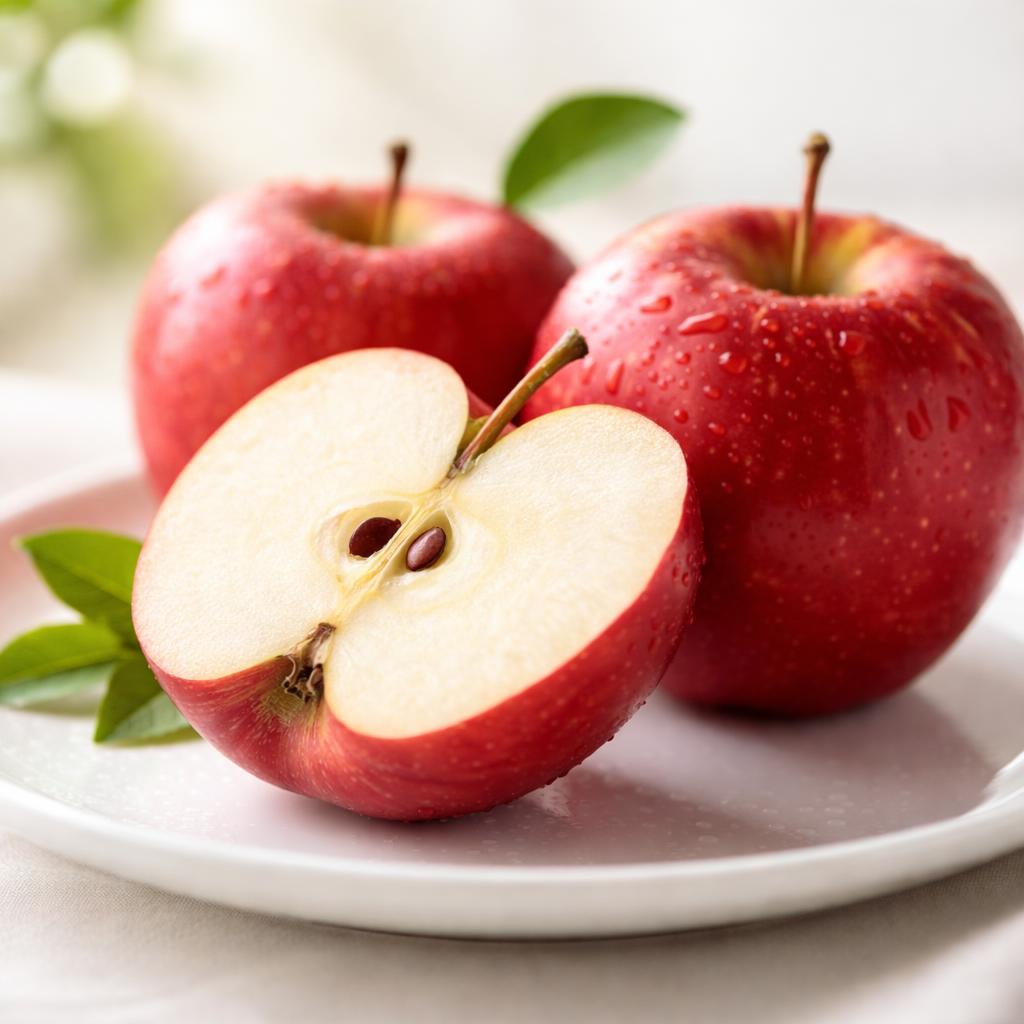
Apple

Big Mac
🎯 Quick Verdict
Apples are lower in calories, higher in fiber, and rich in vitamins, making them ideal for healthy snacking or weight management. On the other hand, Big Macs are much higher in protein but also significantly higher in calories, fat, and sodium, making them better suited for occasional indulgence or higher-calorie diets.

Smart Nutrition Tracking with SnapCalorie

📊 Nutritional Comparison
Macronutrients
| Nutrient | Food 1 | Food 2 | Winner |
|---|---|---|---|
| Calories | 95 | 550 | ✓ |
| Protein | 0.5g | 25g | ✓ |
| Carbs | 25g | 46g | ✓ |
| Fat | 0.3g | 29g | ✓ |
| Fiber | 4.4g | 3g | ✓ |
Vitamins & Minerals
| Nutrient | Food 1 | Food 2 | Winner |
|---|---|---|---|
| Vitamin C | 8.4mg | 0mg | ✓ |
| Vitamin A | 3mcg | 106mcg | ✓ |
| Calcium | 6mg | 250mg | ✓ |
| Iron | 0.1mg | 2mg | ✓ |
🏆 Category Winners
Protein
Big Mac contains significantly more protein, making it ideal for higher-protein diets.
Fiber
Apple offers 47% more fiber for digestion and gut health.
Calories
An apple has 83% fewer calories than a Big Mac, ideal for weight management.
Vitamins
Apples are rich in Vitamin C and antioxidants, while Big Macs are low in vitamins overall.
🥗 Diet Compatibility
Keto
Food 1: Not Compatible
Food 2: Not Compatible
Both are too high in carbs for a ketogenic diet.
Vegan
Food 1: Compatible
Food 2: Not Compatible
Apples are plant-based, while Big Macs contain animal products.
Gluten Free
Food 1: Compatible
Food 2: Not Compatible
Apples are naturally gluten-free, but Big Macs contain gluten in the bun.
Paleo
Food 1: Compatible
Food 2: Not Compatible
Apples fit into paleo diets, while Big Macs are processed and not paleo-friendly.
Low-Carb
Food 1: Not Compatible
Food 2: Not Compatible
Both contain moderate to high levels of carbohydrates.
💪 Health Benefits Comparison
Food 1 Benefits
- Rich in fiber for improved digestion
- Low-calorie snack option for weight management
- Contains antioxidants to combat inflammation
- Source of Vitamin C for immune health
Food 2 Benefits
- High in protein for muscle repair and maintenance
- Contains calcium for bone health
- Provides iron for healthy blood flow
- Good for energy in high-calorie diets
✅ The Bottom Line
Choose an apple for a low-calorie, high-fiber snack or a Big Mac for protein-rich indulgence. Apples suit everyday health-focused diets, while Big Macs fit occasional treats or higher-energy needs.
Choose Food 1 for: Healthy snacking, digestion, low-calorie diets
Choose Food 2 for: Protein needs, occasional high-calorie meals, iron intake


