Apple VS Bananas
A detailed nutritional comparison
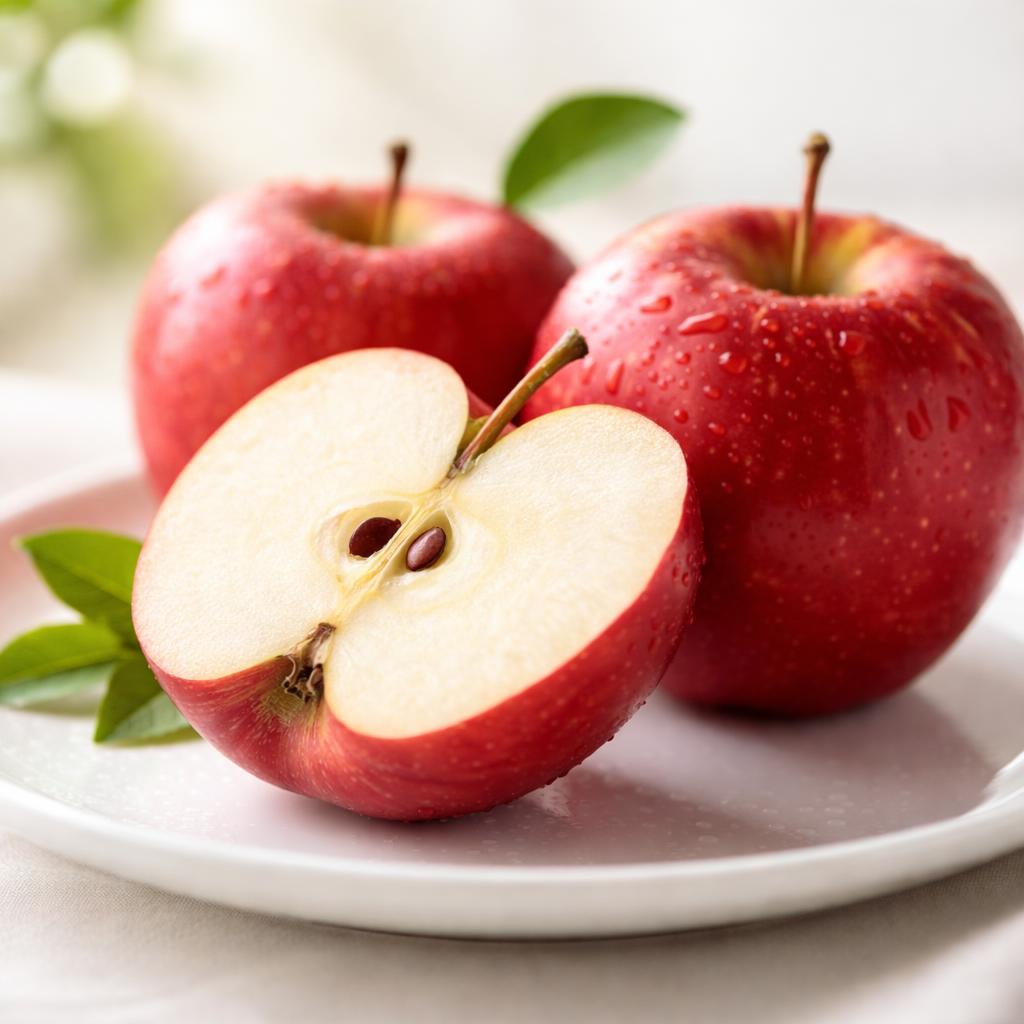
Apple

Bananas
🎯 Quick Verdict
Apples and bananas are nutritious fruits, but they differ in their nutrient profiles. Apples are lower in calories and higher in fiber, making them great for weight management and digestion. Bananas offer more protein and potassium, ideal for energy and muscle function, especially post-workout or during physical activity.

Smart Nutrition Tracking with SnapCalorie

📊 Nutritional Comparison
Macronutrients
| Nutrient | Food 1 | Food 2 | Winner |
|---|---|---|---|
| Calories | 95 | 105 | ✓ |
| Protein | 0.5g | 1.3g | ✓ |
| Carbs | 25g | 27g | ✓ |
| Fat | 0.3g | 0.3g | − |
| Fiber | 4g | 3g | ✓ |
Vitamins & Minerals
| Nutrient | Food 1 | Food 2 | Winner |
|---|---|---|---|
| Vitamin C | 8.4mg | 10.3mg | ✓ |
| Potassium | 195mg | 422mg | ✓ |
| Vitamin B6 | 0.04mg | 0.37mg | ✓ |
🏆 Category Winners
Protein
Banana contains 160% more protein than an apple.
Fiber
Apple offers 33% more fiber, aiding digestion.
Calories
Apple has 10% fewer calories, contributing to weight control.
Vitamins
Banana is richer in potassium, vitamin B6, and vitamin C.
🥗 Diet Compatibility
Keto
Food 1: Not Compatible
Food 2: Not Compatible
Both have too many carbs for a typical ketogenic diet.
Vegan
Food 1: Compatible
Food 2: Compatible
Both are plant-based and suitable for vegan diets.
Gluten Free
Food 1: Compatible
Food 2: Compatible
Neither contains gluten.
Paleo
Food 1: Compatible
Food 2: Compatible
Both are natural whole fruits and fit into paleo guidelines.
Low-Carb
Food 1: Not Compatible
Food 2: Not Compatible
Both are high in carbohydrates and not ideal for strict low-carb diets.
💪 Health Benefits Comparison
Food 1 Benefits
- Rich in fiber, promoting digestion
- Low in calories, useful for weight management
- Contains antioxidants that support heart health
Food 2 Benefits
- High in potassium for muscle and nerve function
- Rich in Vitamin B6 for energy metabolism
- Provides quick-acting carbs for energy replenishment
✅ The Bottom Line
Choose apples for fiber, fewer calories, and overall digestion support. Opt for bananas when you need an energy boost, more protein, or post-workout recovery due to their potassium and carb content.
Choose Food 1 for: Weight management, digestion, antioxidants
Choose Food 2 for: Energy replenishment, muscle function, post-workout recovery


