Apple VS Arugula Salad
A detailed nutritional comparison
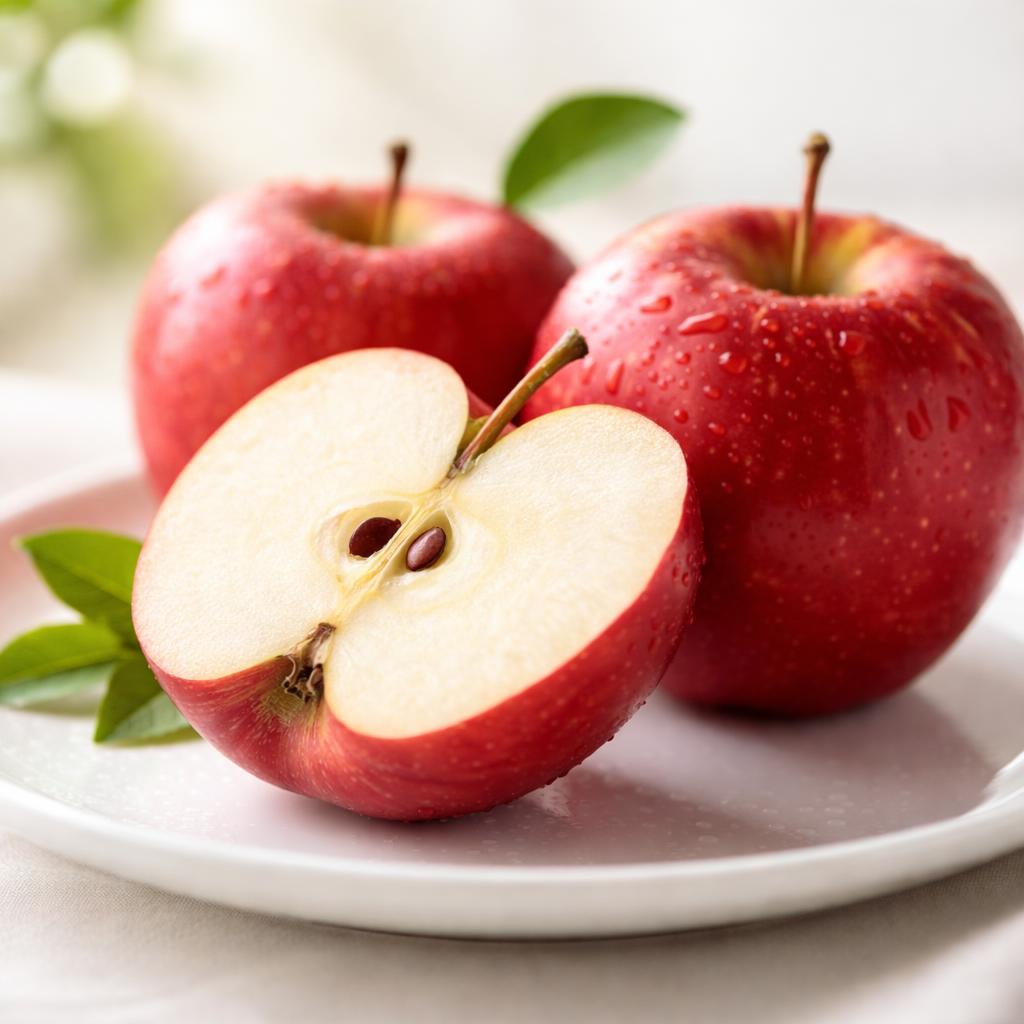
Apple
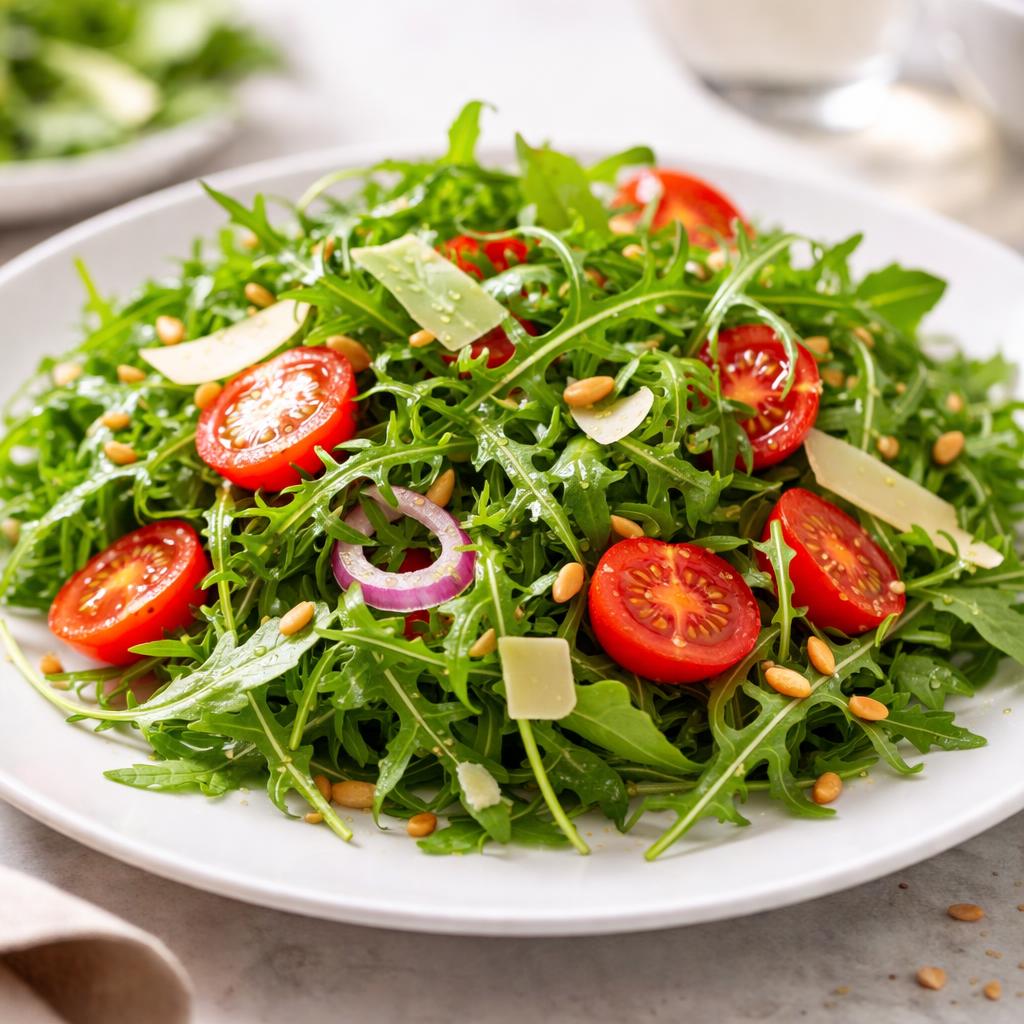
Arugula Salad
🎯 Quick Verdict
Apples and arugula salad offer distinct nutritional benefits. Apples are higher in fiber (3g per serving) and have simple carbohydrates for quick energy, while arugula salad is a low-calorie option rich in protein and packed with vitamins like vitamin K. Apples are ideal for snacks, whereas arugula salad works well in nutrient-dense meals or as an accompaniment.

Smart Nutrition Tracking with SnapCalorie

📊 Nutritional Comparison
Macronutrients
| Nutrient | Food 1 | Food 2 | Winner |
|---|---|---|---|
| Calories | 95 per medium apple | 25 per cup | ✓ |
| Protein | 0.5g | 2.5g | ✓ |
| Carbs | 25g | 3.6g | ✓ |
| Fat | 0.3g | 0.7g | − |
| Fiber | 3g | 0.5g | ✓ |
Vitamins & Minerals
| Nutrient | Food 1 | Food 2 | Winner |
|---|---|---|---|
| Vitamin C | 8.4mg | 5.3mg | ✓ |
| Vitamin K | 2.2mcg | 21.8mcg | ✓ |
| Calcium | 6mg | 32mg | ✓ |
| Iron | 0.1mg | 0.6mg | ✓ |
🏆 Category Winners
Protein
Arugula salad has 5x more protein per serving compared to apple.
Fiber
Apple contains 6x more fiber than arugula salad.
Calories
Arugula salad has significantly fewer calories than apple.
Vitamins
Arugula salad is richer in vitamin K, calcium, and iron than apple.
🥗 Diet Compatibility
Keto
Food 1: Not Compatible
Food 2: Compatible
Arugula salad is low-carb (3.6g per serving), whereas apples are higher-carb (25g).
Vegan
Food 1: Compatible
Food 2: Compatible
Both foods are plant-based and suitable for vegan diets.
Gluten Free
Food 1: Compatible
Food 2: Compatible
Neither apple nor arugula contains gluten.
Paleo
Food 1: Compatible
Food 2: Compatible
Both align with paleo principles as minimally processed plant foods.
Low-Carb
Food 1: Not Compatible
Food 2: Compatible
Arugula salad is lower in carbohydrates compared to apple.
💪 Health Benefits Comparison
Food 1 Benefits
- Rich in fiber for improved digestion
- Good source of vitamin C for immune support
- Provides natural sugars for quick energy
- Low in fat and sodium
Food 2 Benefits
- High in vitamin K for bone health
- Contains antioxidants for cellular protection
- Low-calorie and nutrient-dense option
- Provides calcium and iron for healthy blood and bones
✅ The Bottom Line
Choose apple for convenient snacking and digestion benefits, and arugula salad for nutrient-rich meals with low calories and high protein. Both foods are versatile and suitable for healthy eating routines.
Choose Food 1 for: Quick snacks, fiber-rich diets, natural energy boosts
Choose Food 2 for: Low-calorie meals, nutrient-dense salads, high-protein diets


