Yogurt Homemade from Good Eats Alton Brown
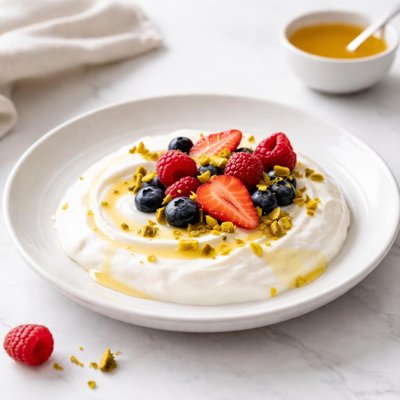
Elevate your breakfast game with Alton Brown's "Homemade Yogurt" recipe from *Good Eats*, a foolproof method to create creamy, tangy yogurt right in your kitchen. This DIY yogurt requires just three simple ingredients: whole milk, plain yogurt with live active cultures, and an optional scoop of powdered milk for extra thickness. By gently heating the milk to 185°F to denature proteins and fermenting it in a warm environment for 5-8 hours, you’ll achieve a luscious, custard-like consistency packed with probiotics. Whether you enjoy it plain or topped with honey, granola, or fresh fruit, this versatile recipe is as wholesome as it is delicious. Perfect for meal prep, this homemade yogurt keeps well in the refrigerator for up to a week, making it the ultimate healthy snack or breakfast staple. Try it for a budget-friendly and satisfying way to enjoy fresh, all-natural yogurt!

Smart Nutrition Tracking with SnapCalorie






Recipe Information
Ingredients
- 4 cups Whole milk
- 2 tablespoons Plain yogurt with live active cultures
- 2 tablespoons Powdered milk (optional for thicker yogurt)
Instructions
Pour the whole milk into a medium-sized saucepan and gently whisk in the powdered milk (if using). Heat the milk over medium heat until it reaches 185°F (85°C), stirring occasionally to prevent scorching. This step helps denature proteins for a thicker, creamier yogurt.
Once the milk reaches 185°F, remove it from heat and allow it to cool to 110°F (43°C). You can speed up the cooling process by placing the saucepan in an ice bath, stirring occasionally.
While the milk is cooling, place the plain yogurt (containing live active cultures) into a small bowl. Once the milk has cooled to 110°F, whisk 1/4 cup of the warm milk into the yogurt to temper it. Then add the tempered mixture back into the saucepan of milk and whisk until fully combined.
Pour the mixture into a clean glass or ceramic container. Cover the container with a lid or plastic wrap and place it in a warm environment to incubate for 5-8 hours. Ideal temperatures for fermentation are between 100-115°F (38-46°C). Options for maintaining this temperature include using an oven with the light on, placing the container in an insulated cooler with warm water bottles, or using a yogurt maker.
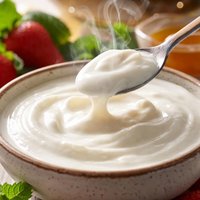
Check the yogurt after 5 hours. It should be set with a custard-like consistency and a tangy flavor. If it's not tangy enough, let it incubate for another 1-3 hours.
Once the yogurt has set to your liking, transfer it to the refrigerator and chill for at least 2 hours before serving. The chilling process helps the yogurt firm up further and enhances its flavor.
Serve your homemade yogurt plain or with your favorite toppings such as honey, granola, fruit, or nuts. Store in an airtight container in the refrigerator for up to 1 week.
Nutrition Facts
Calories |
167 | ||
|---|---|---|---|
% Daily Value* |
|||
| Total Fat | 8.2 g | 10% | |
| Saturated Fat | 5.1 g | 26% | |
| Polyunsaturated Fat | 0.0 g | ||
| Cholesterol | 26 mg | 8% | |
| Sodium | 125 mg | 5% | |
| Total Carbohydrate | 14.3 g | 5% | |
| Dietary Fiber | 0.0 g | 0% | |
| Total Sugars | 14.3 g | ||
| Protein | 9.7 g | 19% | |
| Vitamin D | 3.6 mcg | 18% | |
| Calcium | 333 mg | 26% | |
| Iron | 0.0 mg | 0% | |
| Potassium | 393 mg | 8% | |
*The % Daily Value tells you how much a nutrient in a serving of food contributes to a daily diet. 2,000 calories a day is used for general nutrition advice.


