Whole Wheat Bread in Breadmaker
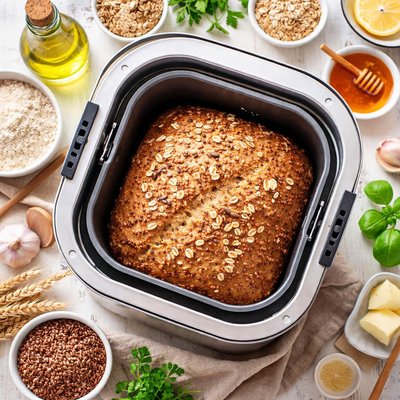
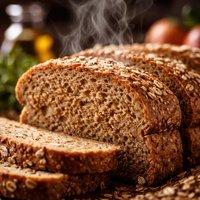
Achieve bakery-quality bread at home with this *Whole Wheat Bread in Breadmaker* recipe—a foolproof way to produce a soft, flavorful, and wholesome loaf using minimal effort. This bread combines the hearty goodness of whole wheat flour with the natural sweetness of honey and a hint of rich olive oil, creating a perfectly balanced flavor profile. Vital wheat gluten ensures a light, airy texture, while the breadmaker does all the heavy lifting, from mixing to baking, in just one simple cycle. With only 5 minutes of prep time, this recipe is perfect for busy mornings or meal prep routines. Ideal for sandwiches, toasting, or savoring with a pat of butter, this homemade whole wheat bread is fresher, healthier, and more satisfying than store-bought options.
Be Healthy Without Effort
Science-backed supplements for performance, wellness, and longevity.
Optimize your body chemistry naturally

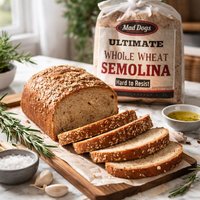

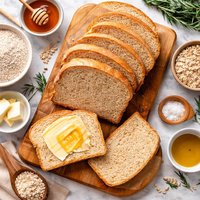
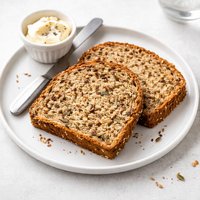
Recipe Information
Ingredients
- 1.25 cups Warm water
- 3 tablespoons Olive oil
- 3 tablespoons Honey
- 1.5 teaspoons Salt
- 3.5 cups Whole wheat flour
- 2 tablespoons Vital wheat gluten
- 2.25 teaspoons Active dry yeast
Instructions
Add the warm water (about 110°F or 43°C) to the breadmaker pan.
Pour in the olive oil and honey.
Sprinkle the salt evenly over the liquid ingredients.
Add the whole wheat flour, ensuring it completely covers the liquid layer.
Sprinkle the vital wheat gluten evenly over the flour.
Make a small well in the center of the flour and add the active dry yeast.
Place the breadmaker pan into the machine and securely close the lid.
Select the 'Whole Wheat' cycle, choose your desired crust color (light, medium, or dark), and start the machine.
Allow the breadmaker to mix, knead, rise, and bake the bread throughout the cycle (typically 4 hours).
When the cycle is complete, carefully remove the bread pan using oven mitts.
Turn the bread out onto a wire rack and let it cool completely before slicing.
Nutrition Facts
Calories |
211 | ||
|---|---|---|---|
% Daily Value* |
|||
| Total Fat | 4.9 g | 6% | |
| Saturated Fat | 0.8 g | 4% | |
| Polyunsaturated Fat | 0.0 g | ||
| Cholesterol | 0 mg | 0% | |
| Sodium | 294 mg | 13% | |
| Total Carbohydrate | 36.9 g | 13% | |
| Dietary Fiber | 4.6 g | 16% | |
| Total Sugars | 5.2 g | ||
| Protein | 7.2 g | 14% | |
| Vitamin D | 0.0 mcg | 0% | |
| Calcium | 15 mg | 1% | |
| Iron | 1.5 mg | 8% | |
| Potassium | 167 mg | 4% | |
*The % Daily Value tells you how much a nutrient in a serving of food contributes to a daily diet. 2,000 calories a day is used for general nutrition advice.



