Whole30 Classic Tuna Mayonnaise
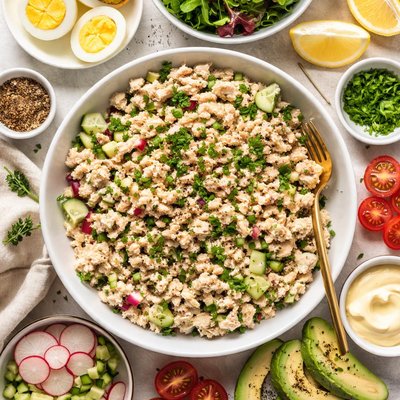
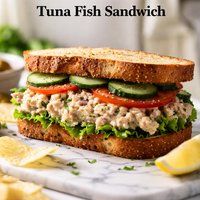
Elevate your lunchtime routine with this Whole30 Classic Tuna Mayonnaise, a quick and delicious recipe packed with wholesome, clean ingredients. Combining protein-rich canned tuna with creamy Whole30-compliant mayonnaise, this dish is enhanced by the crunch of finely chopped celery, the zing of red onion, and the bright notes of Dijon mustard and freshly squeezed lemon juice. Fresh parsley adds a burst of herbaceous flavor, while a sprinkle of salt and black pepper ties everything together. Ready in just 15 minutes, this tuna salad is perfect for scooping onto crisp romaine lettuce leaves for a satisfying, low-carb, gluten-free, and dairy-free meal. Whether you're meal prepping or looking for a quick, guilt-free lunch, this tuna recipe is as nutritious as it is flavorful—a must-try for Whole30 beginners and veterans alike!
Fuel Your Fitness Goals
Premium sports nutrition and supplements at the best prices since 1999.
Over 25 years of sports nutrition excellence
Recipe Information
Ingredients
- 2 cans (5 ounces each) Canned tuna in water
- 1 cup Whole30 compliant mayonnaise
- 1 stalk, finely chopped Celery
- 0.25 cup, finely chopped Red onion
- 1 tablespoon Dijon mustard
- 1 tablespoon, freshly squeezed Lemon juice
- 2 tablespoons, chopped Fresh parsley
- 0.25 teaspoon Salt
- 0.25 teaspoon Black pepper
- 6 large leaves Romaine lettuce leaves
Instructions
Drain the canned tuna thoroughly and place it in a medium-sized mixing bowl.
Add the Whole30 compliant mayonnaise to the bowl with the tuna.
Finely chop the celery stalk, ensuring it is evenly diced, and add it to the mixture.
Chop the red onion into small cubes and add it to the bowl.
Add the Dijon mustard and freshly squeezed lemon juice to the tuna mixture.
Chop the fresh parsley and add it to the bowl.
Sprinkle salt and black pepper over the mixture and stir well to combine all ingredients evenly.
Taste the salad and adjust seasoning with more salt or pepper if necessary.
Serve the tuna mayonnaise on top of romaine lettuce leaves. You can roll them up for easy eating, or place the mixture on the lettuce as a 'taco'.
Nutrition Facts
Calories |
666 | ||
|---|---|---|---|
% Daily Value* |
|||
| Total Fat | 59.8 g | 77% | |
| Saturated Fat | 8.2 g | 41% | |
| Polyunsaturated Fat | 0.0 g | ||
| Cholesterol | 86 mg | 29% | |
| Sodium | 1015 mg | 44% | |
| Total Carbohydrate | 4.8 g | 2% | |
| Dietary Fiber | 2.3 g | 8% | |
| Total Sugars | 1.7 g | ||
| Protein | 25.7 g | 51% | |
| Vitamin D | 1.9 mcg | 9% | |
| Calcium | 37 mg | 3% | |
| Iron | 1.7 mg | 9% | |
| Potassium | 434 mg | 9% | |
*The % Daily Value tells you how much a nutrient in a serving of food contributes to a daily diet. 2,000 calories a day is used for general nutrition advice.



