Whole30 Classic Tuna Fish Salad
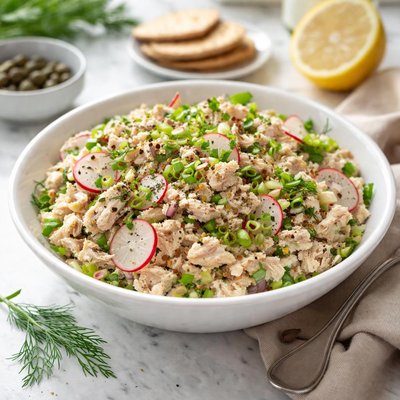
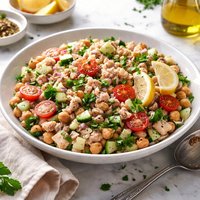
Elevate your lunchtime routine with this Whole30 Classic Tuna Fish Salad, a protein-packed dish that combines simplicity and bold flavors. Made with canned tuna, crisp celery, zesty red onion, and creamy Whole30-compliant mayonnaise, this recipe is both wholesome and satisfying. A splash of lemon juice and a touch of Dijon mustard bring a vibrant tang, while fresh parsley adds a pop of herbaceous freshness. Perfectly seasoned with salt and pepper, this salad is served atop a bed of nutrient-rich baby spinach leaves for a light and energizing meal. Ready in just 15 minutes, this gluten-free, dairy-free, and paleo-friendly recipe is ideal for busy days or meal prep, and it stays fresh in the fridge for up to three days. Whether you're sticking to Whole30 or simply seeking a healthy twist on a classic, this tuna salad is sure to be your new favorite go-to!
Train Anywhere. No Excuses.
Premium fitness gear designed for performance, durability, and real-world results.
From home to gym to on-the-go
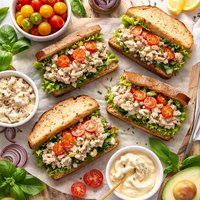
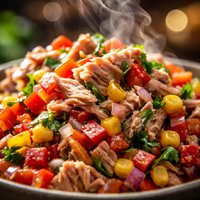

Recipe Information
Ingredients
- 2 cans (5 oz each) canned tuna, packed in water
- 1 celery stalk
- 0.25 medium red onion
- 0.25 cup Whole30 compliant mayonnaise
- 1 tablespoon Dijon mustard
- 1 tablespoon lemon juice
- 1 tablespoon fresh parsley
- 0.5 teaspoon salt
- 0.25 teaspoon black pepper
- 2 cups baby spinach leaves
Instructions
Open the cans of tuna and drain any excess water. Transfer the tuna into a medium mixing bowl.
Finely chop the celery stalk and the quarter of a red onion, and add them to the bowl with the tuna.
Add the Whole30 compliant mayonnaise, Dijon mustard, and lemon juice to the bowl.
Chop the fresh parsley finely and add it to the tuna mixture.
Sprinkle salt and pepper over the mixture.
Gently mix all the ingredients together until well combined. Be careful not to overmix, as the tuna chunks should remain somewhat intact.
Taste and adjust seasoning as needed.
To serve, place a portion of the tuna salad over a bed of baby spinach leaves.
Enjoy immediately or refrigerate for up to 3 days in an airtight container.
Nutrition Facts
Calories |
196 | ||
|---|---|---|---|
% Daily Value* |
|||
| Total Fat | 12.1 g | 15% | |
| Saturated Fat | 1.6 g | 8% | |
| Polyunsaturated Fat | 0.0 g | ||
| Cholesterol | 37 mg | 12% | |
| Sodium | 634 mg | 28% | |
| Total Carbohydrate | 1.7 g | 1% | |
| Dietary Fiber | 0.6 g | 2% | |
| Total Sugars | 0.6 g | ||
| Protein | 18.6 g | 37% | |
| Vitamin D | 1.2 mcg | 6% | |
| Calcium | 25 mg | 2% | |
| Iron | 1.3 mg | 7% | |
| Potassium | 271 mg | 6% | |
*The % Daily Value tells you how much a nutrient in a serving of food contributes to a daily diet. 2,000 calories a day is used for general nutrition advice.



