Whole30 Classic Tuna Buns
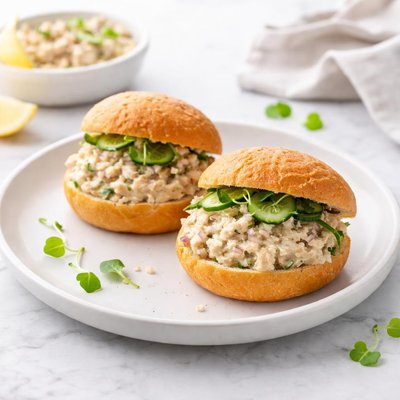
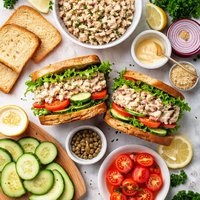
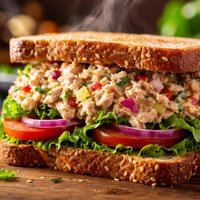
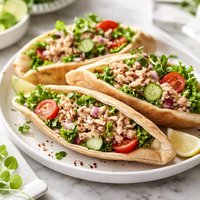
Get ready to savor the light and refreshing flavors of these Whole30 Classic Tuna Buns, a perfect blend of protein-packed goodness and crisp freshness! Made with flaky canned tuna, crunchy chopped celery, tangy pickles, and zesty red onion, this no-cook recipe is brought to life with a creamy mix of olive oil mayonnaise, Dijon mustard, and a splash of fresh lemon juice. Wrapped in crunchy lettuce leaves for a grain-free, Whole30-compliant alternative to traditional bread, these tuna buns are ideal for anyone seeking a quick and healthy mealtime solution. Ready in just 15 minutes, they make a stellar choice for lunches, snacks, or even light dinners—and with their vibrant texture and flavor, they’ll leave you coming back for more. This is clean eating at its most delicious!
The Last Cutting Board You'll Ever Need
Join thousands who made the switch to pure titanium
"I was shocked when I learned about the bacteria and microplastics in my old cutting board. Switching to Titan Haus was the best decision—I'll never go back!"
Recipe Information
Ingredients
- 10 oz canned tuna in water
- 0.25 cup red onion
- 0.25 cup celery
- 0.25 cup pickle
- 0.25 cup olive oil mayonnaise
- 1 tbsp Dijon mustard
- 1 tbsp lemon juice
- 0.5 tsp garlic powder
- 0.5 tsp salt
- 0.25 tsp black pepper
- 8 pieces lettuce leaves
Instructions
Open and drain the canned tuna, and place it in a medium-sized mixing bowl, flaking it with a fork to break up larger pieces.
Finely chop the red onion, celery, and pickles, and add them to the bowl with the tuna.
Add olive oil mayonnaise, Dijon mustard, and fresh lemon juice to the tuna mixture.
Sprinkle in the garlic powder, salt, and black pepper, and stir everything together until well combined.
Rinse and pat dry the lettuce leaves using a paper towel.
Scoop approximately 2-3 tablespoons of the tuna mixture into the center of each lettuce leaf.
Fold the lettuce leaf around the tuna mixture to create a 'bun'.
Serve immediately, and enjoy these refreshing and healthy Whole30 Classic Tuna Buns!
Nutrition Facts
Calories |
200 | ||
|---|---|---|---|
% Daily Value* |
|||
| Total Fat | 12.4 g | 16% | |
| Saturated Fat | 1.6 g | 8% | |
| Polyunsaturated Fat | 0.0 g | ||
| Cholesterol | 30 mg | 10% | |
| Sodium | 748 mg | 33% | |
| Total Carbohydrate | 2.6 g | 1% | |
| Dietary Fiber | 0.9 g | 3% | |
| Total Sugars | 1.0 g | ||
| Protein | 18.8 g | 38% | |
| Vitamin D | 1.4 mcg | 7% | |
| Calcium | 24 mg | 2% | |
| Iron | 1.0 mg | 6% | |
| Potassium | 298 mg | 6% | |
*The % Daily Value tells you how much a nutrient in a serving of food contributes to a daily diet. 2,000 calories a day is used for general nutrition advice.



