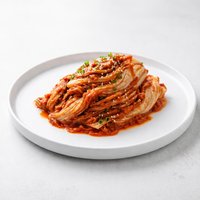
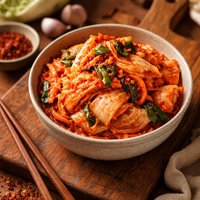
Vegetarian Traditional Cabbage Kimchi
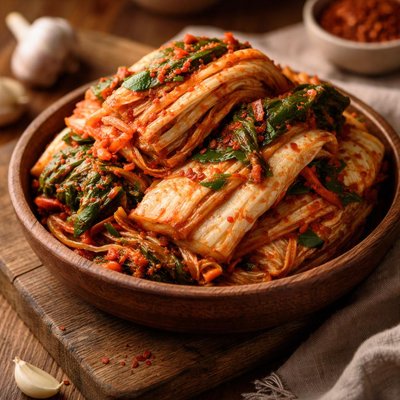
Discover the bold and vibrant flavors of this Vegetarian Traditional Cabbage Kimchi, a plant-based twist on the classic Korean staple. Made with crisp Napa cabbage, julienned carrots, daikon radish, and fragrant green onions, this recipe delivers all the tangy, spicy goodness without the use of fish sauce or other animal-based ingredients. Perfect for vegan and gluten-free diets, the kimchi is seasoned with a robust blend of Korean chili flakes (gochugaru), fresh garlic, ginger, soy sauce, and a touch of sugar, creating a beautifully balanced ferment. With its simple brining process and room-temperature fermentation, this homemade kimchi is not only easy to make but incredibly versatile—serve it as a standalone side dish, in rice bowls, or as the star ingredient in your favorite Korean-inspired recipes. Enjoy the authentic taste of probiotic-rich kimchi while reaping its digestive health benefits.
Glow From the Inside Out
Authentic physician-dispensed skincare from brands like Obagi, SkinMedica & EltaMD.
Trusted by dermatologists, loved by your skin
Recipe Information
Ingredients
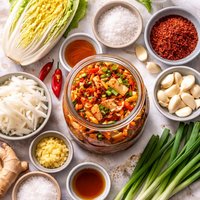
- 1 head Napa cabbage
- 1 cup Coarse sea salt
- 10 cups Filtered water
- 4 tablespoons Korean chili flakes (gochugaru)
- 6 cloves Fresh garlic cloves (minced)
- 1 tablespoon Fresh ginger (grated)
- 3 tablespoons Soy sauce (or tamari for gluten-free)
- 1 teaspoon Granulated sugar
- 1 large Carrot (julienned)
- 1 small Daikon radish (julienned)
- 4 stalks Green onions (sliced into 2-inch pieces)
Instructions
Cut the Napa cabbage lengthwise into quarters and then into 2-inch-wide strips.
Dissolve the coarse sea salt into the filtered water to create a brine.
Submerge the cabbage pieces in the brine, ensuring they are fully covered. Weigh them down with a plate if necessary. Soak for 1-2 hours, flipping the cabbage once halfway through.
Rinse the salted cabbage thoroughly under cool water 2-3 times to remove excess salt. Let it drain in a colander while you prepare the seasoning paste.
In a large mixing bowl, combine the Korean chili flakes (gochugaru), minced garlic, grated ginger, soy sauce, and granulated sugar to form a thick paste.
Add the julienned carrot, julienned daikon radish, and sliced green onions to the seasoning paste. Mix well to coat the vegetables evenly.
Gently but thoroughly massage the seasoning paste into the drained cabbage, ensuring every piece is evenly coated.
Pack the seasoned cabbage mixture tightly into a clean, airtight jar. Leave at least 1 inch of space at the top to allow for expansion during fermentation.
Press the cabbage down firmly so it’s submerged in its juices. If needed, place a small weight or leaf of cabbage on top to keep everything submerged.
Seal the jar and leave it to ferment at room temperature for 2-5 days, depending on desired sourness. Check daily to press the cabbage down if needed and release any built-up gas.
Once fermented to your liking, transfer the jar to the refrigerator. The kimchi can be enjoyed immediately but tastes best after a few more days.
Nutrition Facts
Calories |
25 | ||
|---|---|---|---|
% Daily Value* |
|||
| Total Fat | 0.3 g | 0% | |
| Saturated Fat | 0.0 g | 0% | |
| Polyunsaturated Fat | 0.0 g | ||
| Cholesterol | 0 mg | 0% | |
| Sodium | 14468 mg | 629% | |
| Total Carbohydrate | 4.9 g | 2% | |
| Dietary Fiber | 1.9 g | 7% | |
| Total Sugars | 2.4 g | ||
| Protein | 1.6 g | 3% | |
| Vitamin D | 0.0 mcg | 0% | |
| Calcium | 46 mg | 4% | |
| Iron | 0.5 mg | 3% | |
| Potassium | 187 mg | 4% | |
*The % Daily Value tells you how much a nutrient in a serving of food contributes to a daily diet. 2,000 calories a day is used for general nutrition advice.



