Kimchi or Kimchee
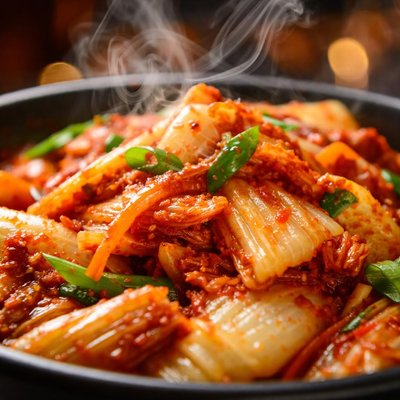
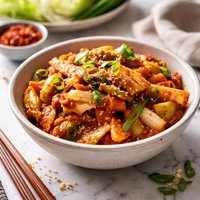
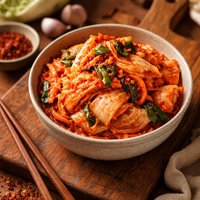
Dive into the vibrant world of Korean cuisine with this authentic Kimchi or Kimchee recipe, a timeless fermentation classic bursting with bold, tangy, and spicy flavors. Made from crisp Napa cabbage, crunchy daikon radish, and a fiery paste of Korean chili flakes (gochugaru), garlic, ginger, and fish sauce, this recipe captures the essence of traditional kimchi-making with a few easy steps. Perfect for beginners and fermentation enthusiasts alike, this probiotic-rich side dish delights as a standalone snack or a versatile ingredient in stews, fried rice, and more. With just a couple of days of fermentation, you'll be rewarded with a jar of homemade kimchi that matures and deepens in flavor over time, embodying a perfect balance of salty, spicy, and umami goodness.

Smart Nutrition Tracking with SnapCalorie

Explore More
Recipe Information
Ingredients
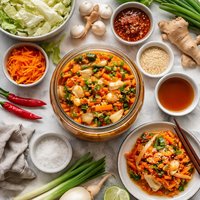
- 2 medium heads Napa cabbage
- 1 cup Sea salt
- 10 cups Water
- 1 medium Daikon radish
- 1 large Carrot
- 5 stalks Green onions
- 6 pieces Garlic cloves
- 1 2-inch piece Ginger
- 0.5 cup Korean chili flakes (gochugaru)
- 0.25 cup Fish sauce
- 2 tablespoons Sugar
Instructions
Cut the Napa cabbage into quarters lengthwise and remove the core. Chop the quarters into bite-sized pieces.
In a large mixing bowl, dissolve 1 cup of sea salt in 10 cups of water. Submerge the cabbage pieces in the saltwater, ensuring all pieces are covered. Let it sit for 2 hours, tossing the cabbage every 30 minutes.
While the cabbage is soaking, peel and grate the daikon radish and carrot into thin strips. Chop the green onions into 1-inch pieces.
Make the paste by blending the garlic cloves, ginger, Korean chili flakes, fish sauce, and sugar into a thick sauce. Add water, 1-2 tablespoons at a time, to achieve spreadable consistency.
After 2 hours, rinse the salted cabbage thoroughly under cold water at least 3 times to remove the excess salt. Let the cabbage drain completely in a colander.
In a large bowl, combine the cabbage, daikon radish, carrot, and green onions. Add the chili paste and mix thoroughly, using gloves to avoid staining your hands and ensuring all vegetables are coated evenly.
Pack the kimchi tightly into a clean glass jar or fermentation container, pressing down to remove air pockets. Leave at least 1 inch of space at the top for expansion during fermentation.
Close the jar loosely to allow gases to escape or use a fermentation lid. Leave the jar at room temperature for 1-2 days to ferment. Taste the kimchi daily to check fermentation progress.
Once the desired tanginess is achieved, move the jar to the refrigerator. The kimchi will continue to ferment slowly and develop deeper flavors over time.
Serve kimchi as a side dish, in stews, fried rice, or enjoy on its own. Refrigerated kimchi can last for several weeks to months.
Nutrition Facts
Calories |
55 | ||
|---|---|---|---|
% Daily Value* |
|||
| Total Fat | 1.5 g | 2% | |
| Saturated Fat | 0.3 g | 2% | |
| Polyunsaturated Fat | 0.3 g | ||
| Cholesterol | 1 mg | 0% | |
| Sodium | 6111 mg | 266% | |
| Total Carbohydrate | 9.7 g | 4% | |
| Dietary Fiber | 3.3 g | 12% | |
| Total Sugars | 5.4 g | ||
| Protein | 2.4 g | 5% | |
| Vitamin D | 0.0 mcg | 0% | |
| Calcium | 78 mg | 6% | |
| Iron | 0.9 mg | 5% | |
| Potassium | 314 mg | 7% | |
*The % Daily Value tells you how much a nutrient in a serving of food contributes to a daily diet. 2,000 calories a day is used for general nutrition advice.


