Toddler Tuna Spread
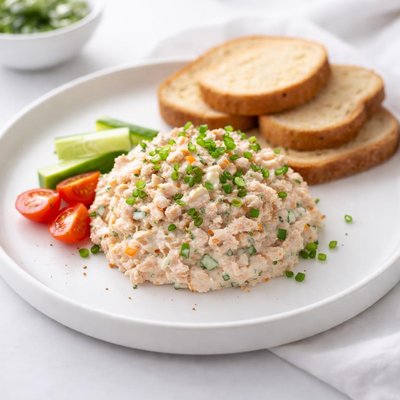
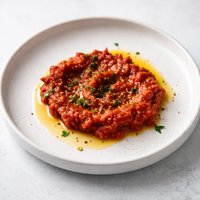
Delight your little ones with this nutritious and easy-to-make Toddler Tuna Spread—a wholesome blend of protein-packed canned tuna, creamy Greek yogurt, and a touch of natural sweetness from grated carrots and optional honey. This toddler-friendly recipe is ready in just 10 minutes and features shredded cheddar cheese for added richness, a splash of lemon juice for a zesty twist, and mild seasoning tailored to tiny taste buds. Perfect as a spread for whole-grain bread, a dip for soft-cooked veggies, or a topping for crackers, this versatile dish is both kid-approved and jam-packed with essential nutrients. Best of all, leftovers can be stored for up to three days, making snack time fuss-free and flavorful. Keywords: toddler tuna spread, healthy toddler snack, easy tuna recipe, kid-friendly spread, high-protein snack.
The Toxic-Free Cutting Board
Medical-grade titanium. No microplastics. No bacteria. No compromises.

Recipe Information
Ingredients
- 1 can (5 ounces) canned tuna in water
- 1 cup plain Greek yogurt
- 1 small carrot (grated)
- 0.25 cup mild cheddar cheese (shredded)
- 1 teaspoon lemon juice
- 0.5 teaspoon honey (optional, for sweetness)
- 1 pinch black pepper (optional)
Instructions
Drain the canned tuna thoroughly, using a fork to help press out the excess liquid.
In a medium-sized mixing bowl, combine the drained tuna and plain Greek yogurt. Mix well until it forms a creamy consistency.
Add the grated carrot, shredded cheddar cheese, lemon juice, and honey (if using) to the mixture. Stir thoroughly to combine.
If desired, add a pinch of black pepper for flavor, keeping in mind your toddler's tolerance for seasonings.
Transfer the mixture into a serving bowl or airtight container if storing for later use.
Serve as a spread on whole-grain bread, crackers, or as a dip with soft-cooked vegetable sticks. Refrigerate leftovers for up to 3 days.
Nutrition Facts
Calories |
77 | ||
|---|---|---|---|
% Daily Value* |
|||
| Total Fat | 1.9 g | 2% | |
| Saturated Fat | 1.1 g | 5% | |
| Polyunsaturated Fat | 0.0 g | ||
| Cholesterol | 15 mg | 5% | |
| Sodium | 118 mg | 5% | |
| Total Carbohydrate | 3.0 g | 1% | |
| Dietary Fiber | 0.2 g | 1% | |
| Total Sugars | 2.4 g | ||
| Protein | 11.9 g | 24% | |
| Vitamin D | 0.5 mcg | 2% | |
| Calcium | 86 mg | 7% | |
| Iron | 0.3 mg | 2% | |
| Potassium | 156 mg | 3% | |
*The % Daily Value tells you how much a nutrient in a serving of food contributes to a daily diet. 2,000 calories a day is used for general nutrition advice.



