Toddler Bbq Sauce
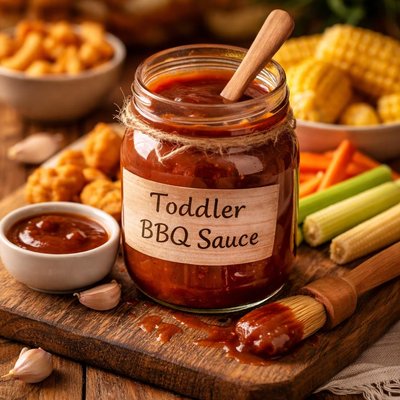
Introduce your little one to big flavors with this healthy and homemade Toddler BBQ Sauce, a perfect low-sodium alternative to store-bought varieties. Crafted with wholesome ingredients like unsweetened apple puree, unsalted tomato paste, and low-sodium chicken or vegetable stock, this mild and tangy sauce is tailored for tiny taste buds. A splash of white vinegar adds a zesty kick, while an optional touch of maple syrup lends a natural sweetness. With gentle spices like garlic powder and onion powder, plus a hint of paprika (if desired), this easy 10-minute recipe will quickly become a family favorite. Ideal as a dip, marinade, or topping, this toddler-friendly barbecue sauce is a versatile, guilt-free way to enhance meals for kids and adults alike!

Smart Nutrition Tracking with SnapCalorie

Explore More
Recipe Information
Ingredients
- 1 cup Apple puree (unsweetened)
- 0.5 cup Tomato paste (unsalted)
- 0.5 cup Low-sodium chicken or vegetable stock
- 1 tablespoon White vinegar
- 1 tablespoon Maple syrup (optional, for added sweetness)
- 0.5 teaspoon Garlic powder
- 0.5 teaspoon Onion powder
- 0.25 teaspoon Paprika (optional, mild)
- 2 tablespoons Water (if needed for consistency)
Instructions
In a small saucepan, combine the apple puree, tomato paste, and chicken or vegetable stock. Whisk together until smooth.
Add the white vinegar, maple syrup (if using), garlic powder, onion powder, and paprika (if using). Stir well to combine.
Place the saucepan over medium heat and bring the mixture to a gentle simmer, stirring occasionally.
Simmer the sauce for 8-10 minutes, or until it thickens slightly. If the sauce becomes too thick, add a tablespoon of water at a time to adjust the consistency.
Remove the saucepan from heat and let the sauce cool to room temperature.
Transfer the sauce to a jar or airtight container and refrigerate for up to 1 week.
Serve the Toddler BBQ Sauce with grilled chicken, roasted veggies, or as a dipping sauce for finger foods.
Nutrition Facts
Calories |
36 | ||
|---|---|---|---|
% Daily Value* |
|||
| Total Fat | 0.1 g | 0% | |
| Saturated Fat | 0.0 g | 0% | |
| Polyunsaturated Fat | 0.0 g | ||
| Cholesterol | 0 mg | 0% | |
| Sodium | 14 mg | 1% | |
| Total Carbohydrate | 9.1 g | 3% | |
| Dietary Fiber | 1.4 g | 5% | |
| Total Sugars | 6.6 g | ||
| Protein | 0.9 g | 2% | |
| Vitamin D | 0.0 mcg | 0% | |
| Calcium | 12 mg | 1% | |
| Iron | 0.5 mg | 3% | |
| Potassium | 176 mg | 4% | |
*The % Daily Value tells you how much a nutrient in a serving of food contributes to a daily diet. 2,000 calories a day is used for general nutrition advice.


