Tasty Ham Salad Sammiches Without Mayo
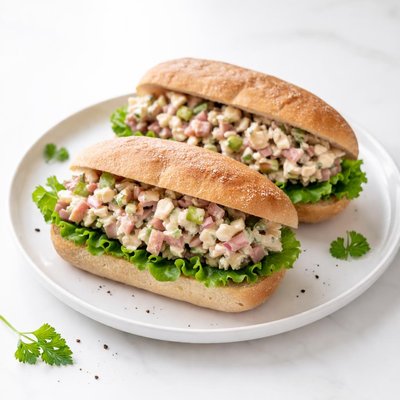
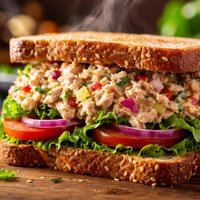
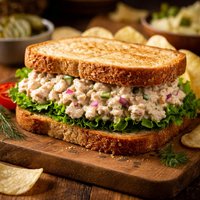
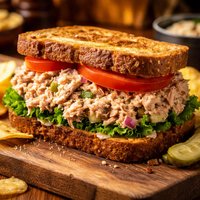
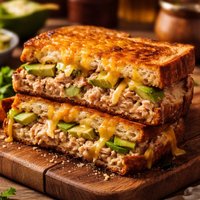
Skip the mayo but keep all the creamy goodness with these Tasty Ham Salad Sammiches Without Mayo! This quick and easy recipe uses protein-packed Greek yogurt as a tangy, guilt-free binder, perfectly complementing the savory flavors of finely chopped ham, Dijon mustard, and a touch of honey for subtle sweetness. Crisp celery, red onion, and a touch of fresh parsley add bursts of texture and brightness, making every bite irresistible. Served between slices of your favorite toasted bread with vibrant lettuce and juicy tomato, these sandwiches are wholesome, satisfying, and ready in just 15 minutes. Perfect for a light lunch, picnic, or easy weeknight meal, this elevated mayo-free ham salad is a refreshing twist on a classic that the whole family will love.

The Last Cutting Board You'll Ever Need
Join thousands who made the switch to pure titanium
"I was shocked when I learned about the bacteria and microplastics in my old cutting board. Switching to Titan Haus was the best decision—I'll never go back!"


Recipe Information
Ingredients
- 2 cups Cooked ham, finely chopped
- 0.5 cup Plain Greek yogurt
- 1 tablespoon Dijon mustard
- 1 teaspoon Honey
- 0.25 cup Red onion, finely diced
- 0.25 cup Celery, finely chopped
- 2 tablespoons Fresh parsley, finely chopped
- 0.25 teaspoon Salt
- 0.25 teaspoon Black pepper
- 8 slices Bread of choice (such as whole wheat, sourdough, or brioche)
- 4 large Lettuce leaves
- 1 large Tomato, sliced
Instructions
1. In a large mixing bowl, combine the finely chopped ham, Greek yogurt, Dijon mustard, and honey. Mix well until fully incorporated.
2. Add the diced red onion, chopped celery, and parsley to the mixture. Stir until evenly distributed.
3. Season with salt and black pepper. Taste and adjust seasoning as needed.
4. Toast the slices of bread lightly (optional) for added texture.
5. To assemble the sandwiches, place a large lettuce leaf on one slice of bread, add a few slices of tomato, and spread a generous amount of the ham salad on top.
6. Cover with another slice of bread to complete the sandwich.
7. Repeat with the remaining ingredients to make four sandwiches.
8. Slice each sandwich in half if desired, and serve immediately. Enjoy!
Nutrition Facts
Calories |
374 | ||
|---|---|---|---|
% Daily Value* |
|||
| Total Fat | 9.7 g | 12% | |
| Saturated Fat | 2.9 g | 15% | |
| Polyunsaturated Fat | 0.0 g | ||
| Cholesterol | 60 mg | 20% | |
| Sodium | 1886 mg | 82% | |
| Total Carbohydrate | 35.9 g | 13% | |
| Dietary Fiber | 4.1 g | 15% | |
| Total Sugars | 10.6 g | ||
| Protein | 35.9 g | 72% | |
| Vitamin D | 0.0 mcg | 0% | |
| Calcium | 129 mg | 10% | |
| Iron | 2.9 mg | 16% | |
| Potassium | 649 mg | 14% | |
*The % Daily Value tells you how much a nutrient in a serving of food contributes to a daily diet. 2,000 calories a day is used for general nutrition advice.



