Southern Snow Cream

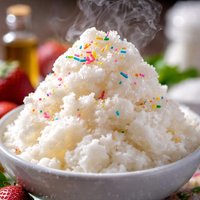
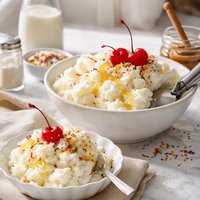
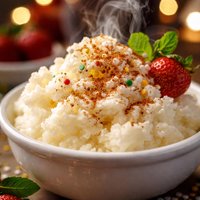
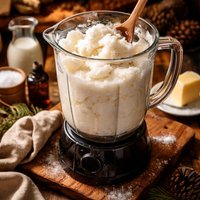
Capture the magic of winter with this nostalgic Southern Snow Cream recipe! Made with just four simple ingredients—fresh, clean snow, granulated sugar, whole milk, and pure vanilla extract—this no-cook dessert is as fun to make as it is to eat. A cherished Southern tradition, snow cream delivers a luscious, melt-in-your-mouth, ice cream-like texture in under 15 minutes. Perfect for snow days, this recipe is easy to customize with your favorite toppings, like sprinkles or a drizzle of chocolate syrup. Quick to prepare and even quicker to melt, Southern Snow Cream is a delightful, fleeting treat that turns freshly fallen snow into sweet, creamy bliss!
Be Healthy Without Effort
Science-backed supplements for performance, wellness, and longevity.
Optimize your body chemistry naturally


Recipe Information
Ingredients
- 8 cups Fresh, clean snow
- 1 cup Granulated sugar
- 1 cup Whole milk
- 2 teaspoons Pure vanilla extract
Instructions
Ensure the snow you collect is fresh, clean, and untouched. Avoid collecting snow from areas near roads or areas with known pollutants.
In a large mixing bowl, combine the granulated sugar, whole milk, and pure vanilla extract. Stir until the sugar dissolves completely.
Gradually add the fresh snow to the liquid mixture, one cup at a time. Fold the snow in gently with a spatula or large spoon after each addition.
Continue adding and mixing in snow until the mixture reaches a fluffy, creamy, ice cream-like consistency.
Taste the snow cream and adjust sweetness or vanilla to your preference by adding a bit more sugar or vanilla extract, mixing well after each adjustment.
Serve the snow cream immediately in bowls. Optionally, top with sprinkles, chocolate syrup, or fresh fruit for added flavor and flair.
Enjoy this chilly, sweet treat quickly, as snow cream will melt fast at room temperature!
Nutrition Facts
Calories |
243 | ||
|---|---|---|---|
% Daily Value* |
|||
| Total Fat | 1.8 g | 2% | |
| Saturated Fat | 1.2 g | 6% | |
| Polyunsaturated Fat | 0.0 g | ||
| Cholesterol | 6 mg | 2% | |
| Sodium | 27 mg | 1% | |
| Total Carbohydrate | 53.0 g | 19% | |
| Dietary Fiber | 0.0 g | 0% | |
| Total Sugars | 53.0 g | ||
| Protein | 1.8 g | 4% | |
| Vitamin D | 0.8 mcg | 4% | |
| Calcium | 69 mg | 5% | |
| Iron | 0.0 mg | 0% | |
| Potassium | 81 mg | 2% | |
*The % Daily Value tells you how much a nutrient in a serving of food contributes to a daily diet. 2,000 calories a day is used for general nutrition advice.



