Snow Cream in a Blender
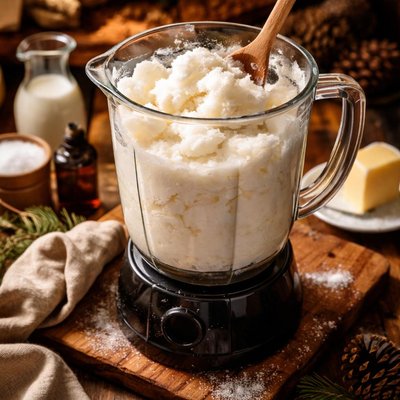
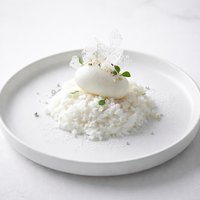
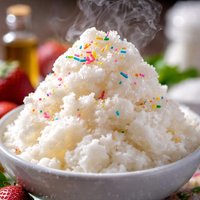
Whip up a frosty, nostalgic treat in just 10 minutes with this easy and delightful "Snow Cream in a Blender" recipe! Perfect for snowy days or as a fun twist with crushed ice, this no-cook dessert uses fresh snow (or ice), sweetened condensed milk, and a splash of vanilla to create a creamy, soft-serve-like texture. With optional sugar for added sweetness and endless topping possibilities—from sprinkles to chocolate chips—this recipe is as customizable as it is quick. Simply blend, scoop, and savor the magic of snow-turned-dessert before it melts away!
Train Anywhere. No Excuses.
Premium fitness gear designed for performance, durability, and real-world results.
From home to gym to on-the-go

Recipe Information
Ingredients
- 8 cups Fresh, clean snow (or crushed ice)
- 1 cup Sweetened condensed milk
- 1 teaspoon Vanilla extract
- 2 tablespoons Granulated sugar (optional, for added sweetness)
Instructions
Ensure that the snow is clean and freshly collected (or use crushed ice if fresh snow is not available). Place 8 cups of snow or crushed ice into a blender.
Add 1 cup of sweetened condensed milk to the blender.
Pour in 1 teaspoon of vanilla extract to boost the flavor.
If you prefer a sweeter dessert, add 2 tablespoons of granulated sugar to the mixture (optional).
Secure the lid on the blender and pulse the mixture on low speed. Gradually increase the blending speed until the ingredients are fully combined and form a creamy, smooth consistency resembling soft-serve ice cream.
Stop the blender and check the texture. If it’s too thick, add a tablespoon of sweetened condensed milk at a time and blend again until the desired consistency is reached.
Once blended to perfection, immediately scoop the Snow Cream into bowls or cups for serving.
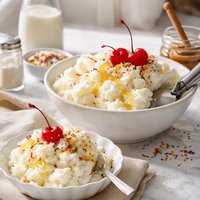
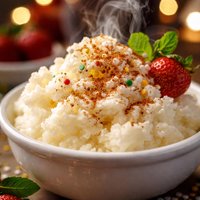
Enjoy your Snow Cream right away as it melts quickly! Add optional toppings such as sprinkles, chocolate chips, or a drizzle of syrup for extra flavor.
Nutrition Facts
Calories |
220 | ||
|---|---|---|---|
% Daily Value* |
|||
| Total Fat | 4.9 g | 6% | |
| Saturated Fat | 3.3 g | 16% | |
| Polyunsaturated Fat | 0.0 g | ||
| Cholesterol | 22 mg | 7% | |
| Sodium | 76 mg | 3% | |
| Total Carbohydrate | 38.7 g | 14% | |
| Dietary Fiber | 0.0 g | 0% | |
| Total Sugars | 38.7 g | ||
| Protein | 4.4 g | 9% | |
| Vitamin D | 0.2 mcg | 1% | |
| Calcium | 159 mg | 12% | |
| Iron | 0.5 mg | 3% | |
| Potassium | 198 mg | 4% | |
*The % Daily Value tells you how much a nutrient in a serving of food contributes to a daily diet. 2,000 calories a day is used for general nutrition advice.



