Simple Mustard Salmon
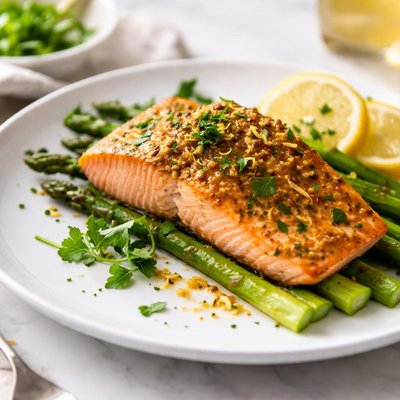
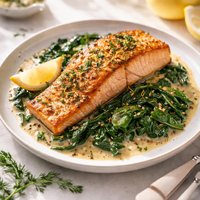
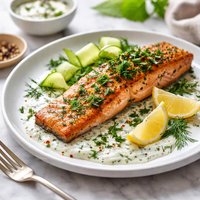
Elevate your weeknight dinner routine with this quick and flavorful Simple Mustard Salmon recipe! Featuring perfectly baked salmon fillets coated in a tangy, sweet, and slightly spicy mustard glaze made with Dijon mustard, whole grain mustard, honey, and a hint of fresh lemon juice, this dish combines bold flavors with effortless preparation. Ready in just 25 minutes, it's the ultimate healthy dinner option that’s packed with omega-3s and low-carb goodness. Perfectly cooked to flaky perfection in the oven, this salmon pairs beautifully with roasted vegetables, rice, or a crisp green salad. Whether you're looking for a fast meal or an impressive yet easy dish to serve guests, this recipe is guaranteed to impress!

Smart Nutrition Tracking with SnapCalorie

Recipe Information
Ingredients
- 4 pieces (about 6 ounces each) salmon fillets
- 2 tablespoons Dijon mustard
- 1 tablespoon whole grain mustard
- 1 tablespoon honey
- 1 tablespoon olive oil
- 1 teaspoon fresh lemon juice
- 0.5 teaspoon garlic powder
- 0.5 teaspoon salt
- 0.25 teaspoon black pepper
- 1 tablespoon fresh parsley (optional, for garnish)
Instructions
Preheat your oven to 400°F (200°C) and line a baking sheet with parchment paper or aluminum foil for easy cleanup.
Pat the salmon fillets dry with paper towels and place them skin-side down on the prepared baking sheet.
In a small bowl, whisk together the Dijon mustard, whole grain mustard, honey, olive oil, lemon juice, garlic powder, salt, and black pepper until well combined.
Using a spoon or pastry brush, spread the mustard mixture evenly over the top of each salmon fillet.
Bake the salmon in the preheated oven for 12-15 minutes, or until the fish is cooked through and flakes easily with a fork. The internal temperature should reach 145°F (63°C).
Optional: Garnish the salmon with freshly chopped parsley before serving.
Serve the mustard salmon warm with your choice of sides, such as roasted vegetables, rice, or a fresh salad.
Nutrition Facts
Calories |
381 | ||
|---|---|---|---|
% Daily Value* |
|||
| Total Fat | 24.1 g | 31% | |
| Saturated Fat | 3.3 g | 16% | |
| Polyunsaturated Fat | 0.0 g | ||
| Cholesterol | 68 mg | 23% | |
| Sodium | 597 mg | 26% | |
| Total Carbohydrate | 5.2 g | 2% | |
| Dietary Fiber | 1.7 g | 6% | |
| Total Sugars | 4.4 g | ||
| Protein | 35.7 g | 71% | |
| Vitamin D | 0.0 mcg | 0% | |
| Calcium | 7 mg | 1% | |
| Iron | 1.2 mg | 6% | |
| Potassium | 25 mg | 1% | |
*The % Daily Value tells you how much a nutrient in a serving of food contributes to a daily diet. 2,000 calories a day is used for general nutrition advice.


