Simple Easter Nests

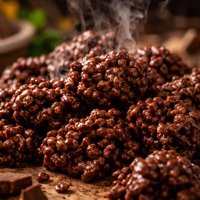
Celebrate spring with these delightfully easy and festive Simple Easter Nests! Made with smooth, melted milk chocolate, crispy rice cereal, and golden syrup, these no-bake treats come together in just 15 minutes, making them the perfect last-minute Easter dessert. Topped with colorful mini candy eggs, each "nest" boasts a whimsical charm that’s sure to delight kids and adults alike. Perfect for holiday gatherings or as a fun baking activity with little ones, these crunchy, chocolaty nests are as beautiful as they are delicious. Serve them as part of an Easter brunch spread or wrap them up for a sweet homemade gift!

Smart Nutrition Tracking with SnapCalorie




Recipe Information
Ingredients
- 200 grams Milk chocolate
- 100 grams Crispy rice cereal
- 36 pieces Mini candy eggs
- 2 tablespoons Butter
- 2 tablespoons Golden syrup (or light corn syrup)
Instructions
Line a 12-count muffin tin with paper cupcake liners and set aside.
Break the milk chocolate into small pieces and place them in a heatproof bowl.
Add the butter and golden syrup to the bowl with the chocolate.
Melt the mixture gently over a saucepan of simmering water (or in the microwave in 30-second increments, stirring in between) until smooth and fully combined.
Remove the bowl from the heat and fold in the crispy rice cereal until fully coated in the chocolate mixture.
Spoon the mixture evenly into the prepared cupcake liners, pressing down slightly to create a nest shape in the center of each one.
Place 2-3 mini candy eggs in the center of each nest.
Let the nests set completely at room temperature for 1-2 hours or refrigerate for about 30 minutes until firm.
Once set, remove the nests from the muffin tin and peel off the paper liners before serving.
Nutrition Facts
Calories |
210 | ||
|---|---|---|---|
% Daily Value* |
|||
| Total Fat | 9.5 g | 12% | |
| Saturated Fat | 5.7 g | 28% | |
| Polyunsaturated Fat | 0.0 g | ||
| Cholesterol | 11 mg | 4% | |
| Sodium | 83 mg | 4% | |
| Total Carbohydrate | 28.7 g | 10% | |
| Dietary Fiber | 0.7 g | 2% | |
| Total Sugars | 20.5 g | ||
| Protein | 2.2 g | 4% | |
| Vitamin D | 0.3 mcg | 1% | |
| Calcium | 40 mg | 3% | |
| Iron | 2.5 mg | 14% | |
| Potassium | 86 mg | 2% | |
*The % Daily Value tells you how much a nutrient in a serving of food contributes to a daily diet. 2,000 calories a day is used for general nutrition advice.


