Mulberry Wine
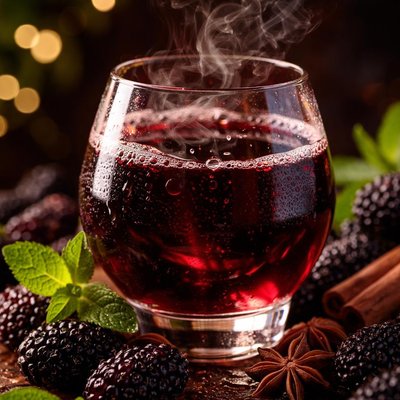
Indulge in the rich, fruity allure of homemade Mulberry Wine, a deliciously rewarding creation that's perfect for wine lovers and DIY enthusiasts alike. This recipe transforms plump, juicy mulberries into a silky, full-bodied wine with just the right balance of sweetness and tartness. Featuring simple pantry staples like sugar, water, and wine yeast, along with optional enhancements like pectic enzyme and yeast nutrient for optimal fermentation, this recipe guides you through every step—from mashing the berries to bottling your handcrafted vintage. With a hands-on prep time of just an hour and a patient aging process that unlocks deeper flavors over months, this mulberry wine is worth the wait. Serve it as a showstopping aperitif or pair it with cheese and charcuterie for an elegant touch. Whether you're a seasoned vintner or a first-time winemaker, this recipe will elevate your at-home wine-making experience with its irresistible results.

Smart Nutrition Tracking with SnapCalorie

Explore More
Recipe Information
Ingredients
- 2.5 kilograms Fresh mulberries
- 1.5 kilograms Sugar
- 4 liters Water
- 1 packet Wine yeast
- 1 tablet Campden tablet (optional, for sterilizing)
- 0.5 teaspoon Pectic enzyme (optional, to break down fruit fibers)
- 1 teaspoon Yeast nutrient (optional, to boost fermentation)
Instructions
Step 1: Sanitize all equipment, including your fermentation vessel, stirring spoons, and any other tools using a Campden tablet or a sanitizing solution.
Step 2: Rinse the mulberries thoroughly to remove dirt or debris, and remove any stems or leaves.
Step 3: Place the mulberries into a sterilized fermentation bucket and mash them gently to release their juices. You can use a potato masher for this step.
Step 4: Boil 4 liters of water and dissolve 1.5 kilograms of sugar into the water, stirring until completely melted. Allow the sugar-water mixture to cool to room temperature.
Step 5: Pour the cooled sugar-water mixture over the mashed mulberries in the fermentation bucket.
Step 6: Add the wine yeast, pectic enzyme (if using), and yeast nutrient (if using) to the fermentation bucket and stir well to combine.
Step 7: Cover the fermentation bucket with a sanitized lid or cheesecloth to allow air to escape but keep contaminants out. Leave the mixture to ferment in a warm, dark place for 5-7 days, stirring daily.
Step 8: After the initial fermentation period, strain the liquid through a fine mesh strainer or cheesecloth into a clean, sterilized glass demijohn or fermentation vessel, leaving the solids behind.
Step 9: Attach an airlock to the fermentation vessel and allow the wine to ferment in a cool, dark place for 4-6 weeks, or until bubbling in the airlock ceases.
Step 10: Carefully siphon the wine from the fermentation vessel into sterilized bottles, leaving behind any sediment that has settled at the bottom.
Step 11: Seal the bottles tightly and allow the wine to age for at least 3 months in a cool, dark place to enhance its flavor. For best results, age the wine for 6-12 months.
Step 12: Serve and enjoy your homemade mulberry wine!
Nutrition Facts
Calories |
1180 | ||
|---|---|---|---|
% Daily Value* |
|||
| Total Fat | 1.3 g | 2% | |
| Saturated Fat | 0.0 g | 0% | |
| Polyunsaturated Fat | 0.0 g | ||
| Cholesterol | 0 mg | 0% | |
| Sodium | 59 mg | 3% | |
| Total Carbohydrate | 291.5 g | 106% | |
| Dietary Fiber | 6.7 g | 24% | |
| Total Sugars | 282.1 g | ||
| Protein | 6.7 g | 13% | |
| Vitamin D | 0.0 mcg | 0% | |
| Calcium | 232 mg | 18% | |
| Iron | 8.1 mg | 45% | |
| Potassium | 813 mg | 17% | |
*The % Daily Value tells you how much a nutrient in a serving of food contributes to a daily diet. 2,000 calories a day is used for general nutrition advice.


