Low Sodium Turkey Melt Sandwich

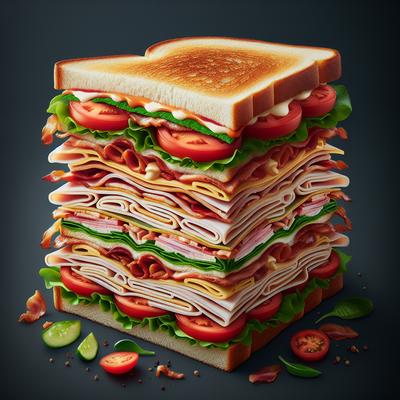
Savor the delicious simplicity of this Low Sodium Turkey Melt Sandwich! Perfect for those seeking a heart-healthy yet indulgent option, this recipe combines layers of tender low-sodium turkey breast, fresh spinach leaves, juicy tomato slices, and rich, melted low-sodium Swiss cheese on whole grain bread. A hint of low-sodium Dijon mustard adds a tangy flavor boost, while unsalted butter creates a perfectly golden, crispy finish when grilled. With just 10 minutes from prep to plate, this easy-to-make sandwich is ideal for a quick lunch or dinner. Packed with wholesome ingredients and lower in sodium, it’s a satisfying classic reimagined for healthy eating!

Get More Healthy Recipes with SnapCalorie


Recipe Information
Ingredients
- 4 ounces Low-sodium turkey breast slices
- 2 slices Low-sodium whole grain bread
- 1 slice Low-sodium Swiss cheese
- 1 tablespoon Unsalted butter or low-sodium margarine
- 1 teaspoon Low-sodium Dijon mustard
- 0.25 cup Fresh spinach leaves
- 2 slices Tomato slices
Instructions
Spread the low-sodium Dijon mustard evenly on one side of each slice of bread.
Layer the low-sodium turkey breast slices on top of one slice of bread.
Add the spinach leaves and tomato slices on top of the turkey.
Place the low-sodium Swiss cheese slice on top of the vegetables.
Close the sandwich with the second slice of bread, mustard side facing inward.
Heat a non-stick skillet over medium heat. While the skillet heats, spread the unsalted butter or low-sodium margarine evenly over the outside of both bread slices.
Place the sandwich in the skillet and cook for 2-3 minutes on each side, or until the bread is golden brown and the cheese has melted. Press gently with a spatula occasionally to ensure even grilling.
Remove from the skillet and let the sandwich cool slightly before cutting in half.
Serve immediately and enjoy your low-sodium turkey melt sandwich!
Nutrition Facts
Calories |
484 | ||
|---|---|---|---|
% Daily Value* |
|||
| Total Fat | 23.7 g | 30% | |
| Saturated Fat | 13.2 g | 66% | |
| Polyunsaturated Fat | 0.0 g | ||
| Cholesterol | 108 mg | 36% | |
| Sodium | 642 mg | 28% | |
| Total Carbohydrate | 31.1 g | 11% | |
| Dietary Fiber | 4.6 g | 16% | |
| Total Sugars | 3.8 g | ||
| Protein | 39.6 g | 79% | |
| Vitamin D | 0.4 mcg | 2% | |
| Calcium | 323 mg | 25% | |
| Iron | 3.4 mg | 19% | |
| Potassium | 662 mg | 14% | |
*The % Daily Value tells you how much a nutrient in a serving of food contributes to a daily diet. 2,000 calories a day is used for general nutrition advice.


